
T
Loading…
Loading…
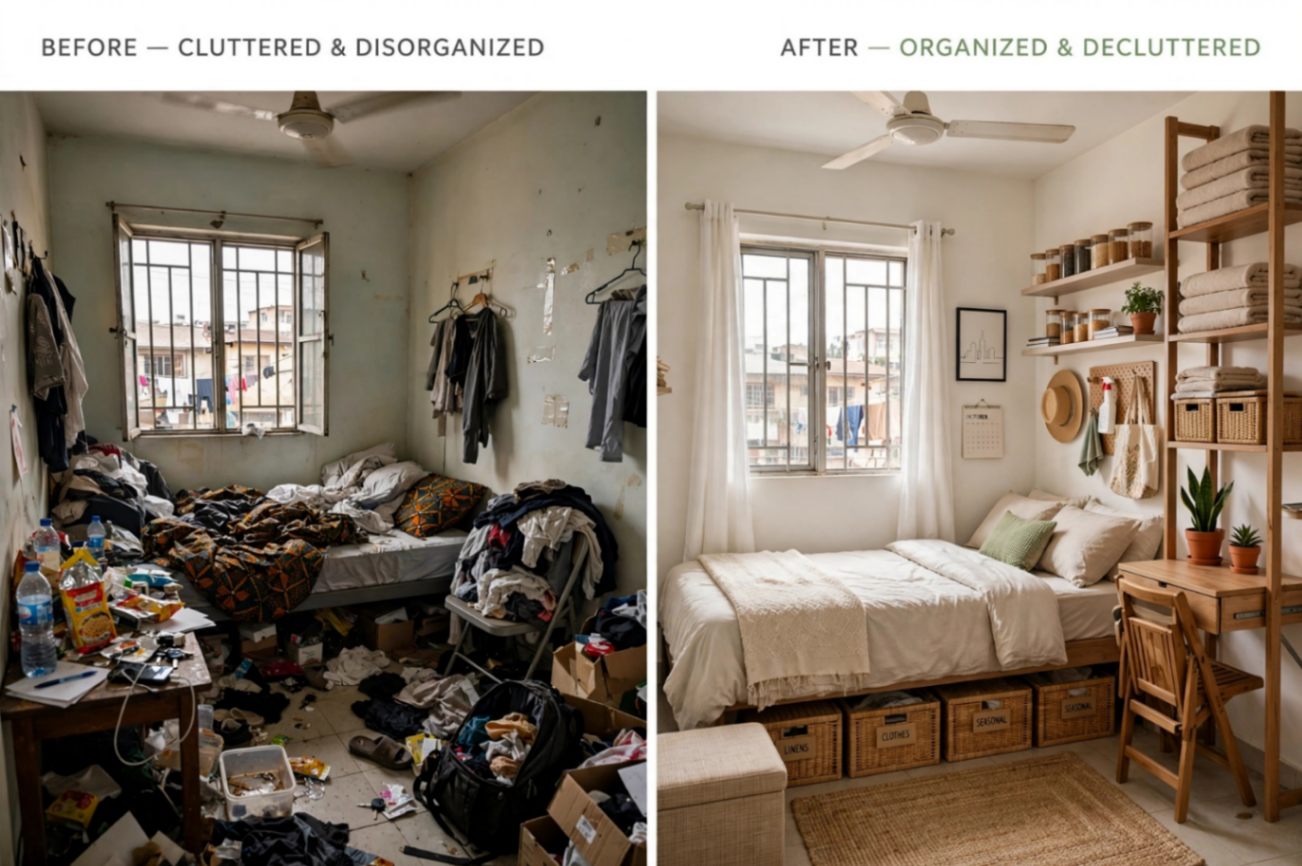
Last Updated: October 2026
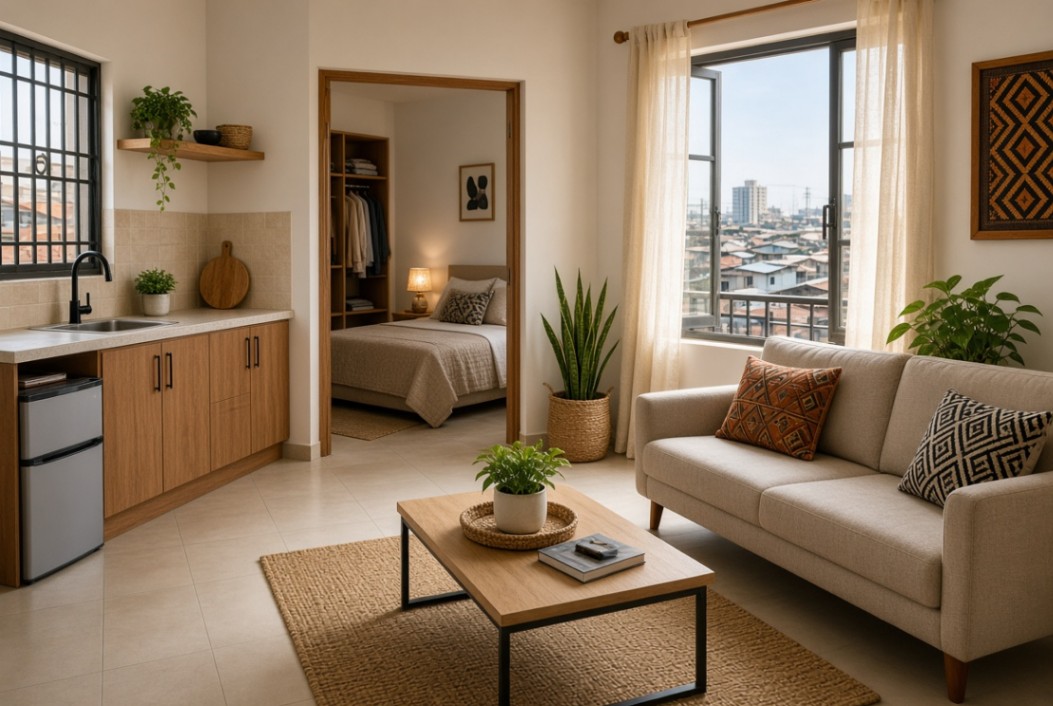
Living in a one-bedroom flat can feel tight when furniture, clothes, kitchen items, and daily essentials begin to compete for the same space. The good news is that a small apartment can feel calmer and larger without major renovation, as long as you arrange it with clear zones, lighter storage habits, and a better use of vertical space.
When I look at a one-bedroom flat, I think in terms of flow, not just storage. A room feels larger when you reduce visual clutter, keep walkways clear, and give each area one clear purpose. In practice, that means fewer loose items on the floor, more wall use, and furniture that does more than one job.
A small apartment also works better when storage is matched to behavior. If you keep bags near the door, fold everyday clothing where you dress, and group kitchen tools close to the stove or sink, you spend less time searching and more time moving easily through the flat. That habit matters as much as the furniture itself.
| Area | Simple change | Why it helps | Low-cost example |
|---|---|---|---|
| Bedroom | Use under-bed storage | Frees floor space and hides seasonal items | Storage bags, plastic crates |
| Living area | Choose a slim sofa or single-seat chair | Opens walking space | Foldable or armless seating |
| Walls | Add shelves or hooks | Moves items off tables and floors | Floating shelf, peg hooks |
| Closet | Use matching hangers | Creates a cleaner, denser hanging area | Thin plastic or velvet hangers |
| Kitchen | Group items by use | Cuts counter clutter | Basket for spoons, cups, spices |
| Entry | Add a small drop zone | Prevents keys, shoes, and bags from spreading | Wall hook + small tray |
Small changes like these can make the apartment feel easier to live in, even when the square footage does not change. The goal is not to pack more in; it is to make the same space work with less friction.
The easiest way to create more space in a small apartment is to decide what each corner is for. In a one-bedroom flat, the bed area, sitting area, eating area, and storage area can overlap, but they still need clear boundaries. A rug, a shelf, or even furniture placement can separate functions without building a wall.

Why Clutter Is Stressing You Out and How to Fix It
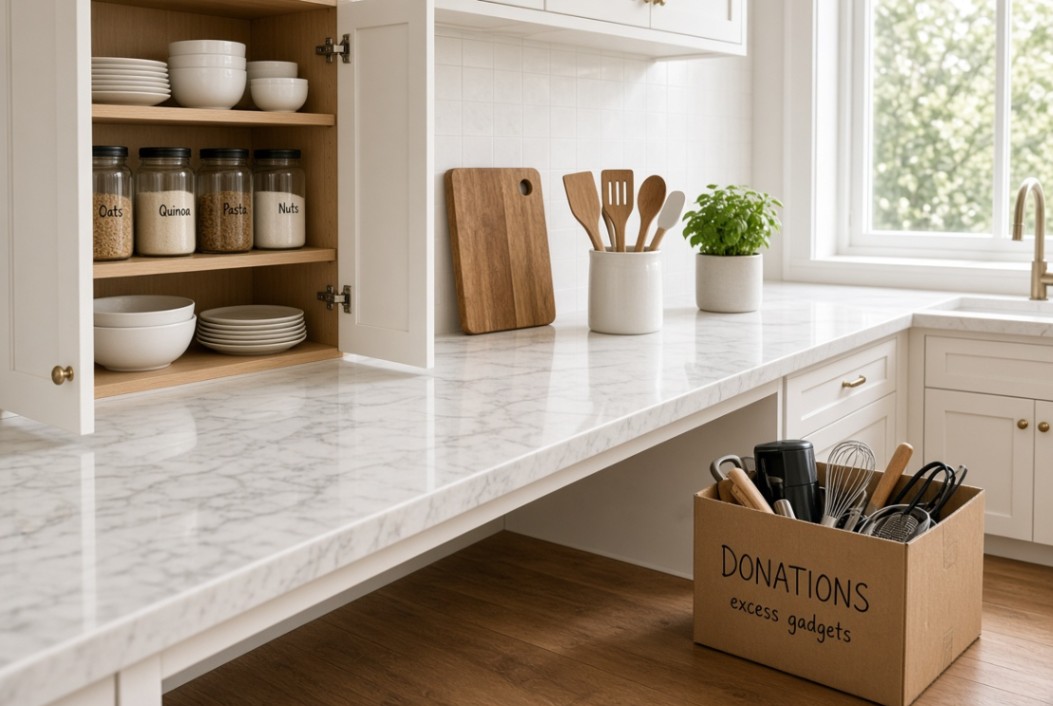
How to Declutter Your Kitchen and Actually Keep It That Way
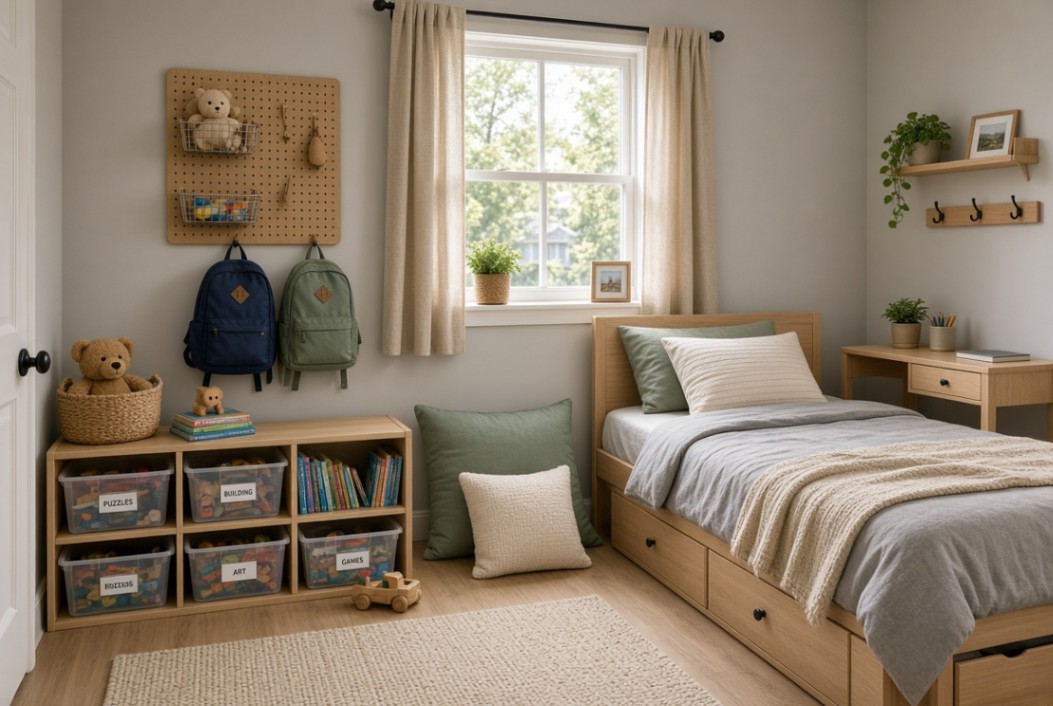
How to Organize a Small Room With Kids: A Practical Nigeria Family Guide
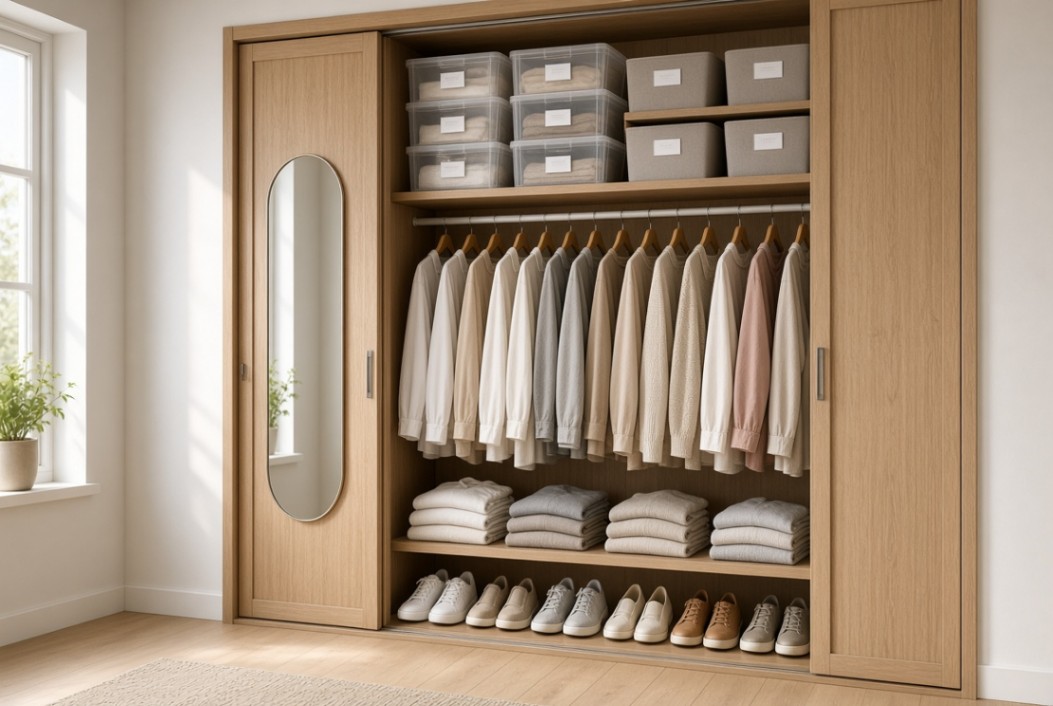
How to Organize a Small Wardrobe So It Always Feels Full (Nigeria Guide)
How to Declutter a Small Apartment in Lagos Without Stress
Have something to give away or sell?
Post your first listing — it only takes a couple of minutes. Or browse listings near you.
Keep the middle of the room open where possible. When the center is blocked by bulky furniture, the room feels smaller than it is. Place larger items against the walls, leave space around door swings, and avoid pushing every object into the middle of the room.
This kind of layout makes the room easier to clean and easier to navigate. It also helps you notice when one zone is carrying too much clutter.
In a small apartment, walls are valuable storage surfaces. Tall shelves, wall hooks, over-door organizers, and mounted racks can handle items that would otherwise sit on the floor or a table. This is especially useful for bags, hats, cleaning tools, and frequently used clothing items.
A tall shelf often creates more usable storage than several small containers scattered around the room. If you can stack upward instead of outward, you keep the floor open and reduce the crowded feeling that comes from too many low items. Mirrors can also help here, since they reflect light and make the room appear wider.
Furniture that serves two roles can save a lot of room in a one-bedroom flat. A bed with drawers, an ottoman with storage, a folding table, or a stool that doubles as a side table all reduce the need for extra pieces. The more functions one item covers, the fewer objects compete for space.
This matters most in Nigerian cities where apartments are often compact and delivery access can be limited. A single folding table can serve as a dining spot, laptop desk, and ironing surface if you choose the right size and keep it easy to move. Lightweight furniture also makes cleaning simpler because you can shift items without much effort.
Clothes take up more space than many people expect, especially when they are folded loosely, stacked too high, or left in open piles. A small wardrobe works better when clothes are sorted by category and season, with daily wear placed at eye level and occasional items stored higher or lower. This makes dressing faster and cuts visual clutter.
A useful rule in small apartment organization is to keep only what fits comfortably in your main storage. When hangers are overcrowded or drawers are stuffed, the closet begins to spill into the room. That spillover is what often makes a one-bedroom flat feel crowded even when the apartment itself is tidy.
Kitchen clutter spreads quickly in a small apartment because many items get used daily. The kitchen feels larger when the counter stays clear and utensils are grouped by task. Keep the most-used tools near cooking areas and move duplicates, empty containers, and rarely used appliances out of sight.
A compact kitchen can work well with baskets, wall racks, and stackable containers. Group similar items together, such as cooking spoons, spices, cleaning supplies, and food staples. This reduces the need to search through multiple drawers and makes the room feel more orderly.
A room feels more open when it gets good natural light and does not have too many dark, heavy surfaces. Light curtains, bright bulbs, and simple wall colors can make a flat feel less compressed. Mirrors can strengthen that effect by spreading light and giving the eye more to see.
You do not need to repaint the whole apartment to get some of that effect. Replacing a thick curtain with a lighter one, cleaning the window area, or using one large mirror instead of several small decorative pieces can change the feel of the room quickly. The point is to reduce visual heaviness wherever possible.
If you want to improve a one-bedroom flat without spending much, a small reset can help. Start by removing what does not belong in each area, then put the remaining items into clear groups. After that, add only the storage tools that solve a real problem.
| Task | Time needed | Result |
|---|---|---|
| Clear floor items | 15 minutes | Opens walking space |
| Group loose items | 20 minutes | Reduces visual noise |
| Add hooks or baskets | 30 minutes | Creates defined storage |
| Rearrange furniture | 30–60 minutes | Improves flow |
| Move seasonal items away | 20 minutes | Frees daily-use space |
This kind of reset is practical because it focuses on what you already have. It also helps you see which items are taking up space without adding value to daily life.
One common mistake is buying storage containers before sorting the actual clutter. Containers only help when they have a job to do; otherwise they become extra objects taking up space. Another mistake is using too much oversized furniture, which can block movement and make the room feel smaller than it is.
People also lose space when they treat every surface like a storage area. Tables, windowsills, and the top of a fridge can quickly become dumping grounds. Once that happens, the flat starts to feel busier even if the items are small.
Secondhand furniture and home accessories can be useful in a small apartment because they allow you to find compact, affordable pieces without filling the room with brand-new oversized items. In many cities, secondhand and peer-to-peer resale platforms are part of a wider circular economy, which researchers note is increasingly important for reusing goods and reducing waste. The same principle applies at home: a simple shelf, mirror, or small table can solve a space problem better than a larger decorative item.
If you use resale platforms, it helps to measure the space first and compare dimensions before buying. That practice reduces the chance of bringing in furniture that blocks movement or leaves no room for storage. In a compact flat, a few well-sized pieces usually work better than a room full of mixed items.
For people listing compact furniture, storage boxes, or home organization items, Threddo can be a practical place to post or browse locally because it keeps contact direct and simple, with safety guidance and no in-app payment layer at Threddo safety and Threddo listings.
A one-bedroom flat feels more open when furniture respects walking paths. Try to keep a clear route from the door to the bed, kitchen, and bathroom. If movement is easy, the room feels larger even when the measured space is unchanged.
Think in lines, not clusters. One shelf by the wall, one table near a window, and one clear seating area often work better than several smaller items spread everywhere. This makes cleaning easier and creates a more settled feel.
Creating more space in a one-bedroom flat is mostly about using what you already have more intelligently. Clear zones, wall storage, lighter furniture, and tighter clothing habits can change how the room feels without a major spend.
The simplest test is this: if an item does not help you sit, sleep, cook, work, or store something neatly, it may be taking up more space than it gives back. This article is for educational purposes only and does not constitute professional advice. Always follow safe trading practices and use your own judgement.