T
Loading…
Loading…
Last Updated: September 2026
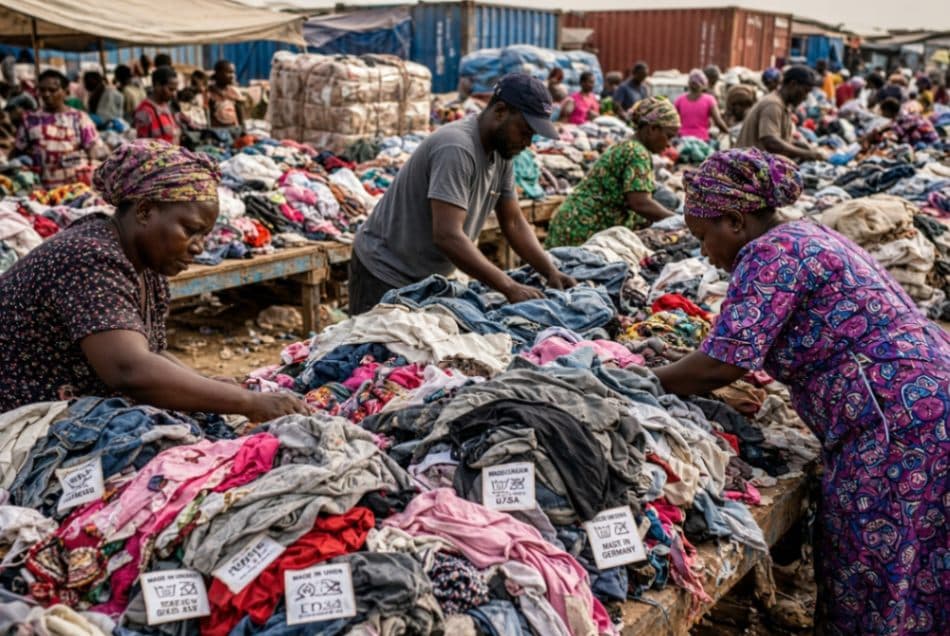
Okrika in Nigeria comes from a global secondhand clothing chain, not from one single country, and the main exporter countries commonly include the United States, Canada, Germany, France, China, and the United Arab Emirates. Nigeria is one of the major importers in West Africa, so the clothes you see in local markets usually pass through several hands before they reach a seller in Lagos, Aba, Kano, Onitsha, or Port Harcourt.
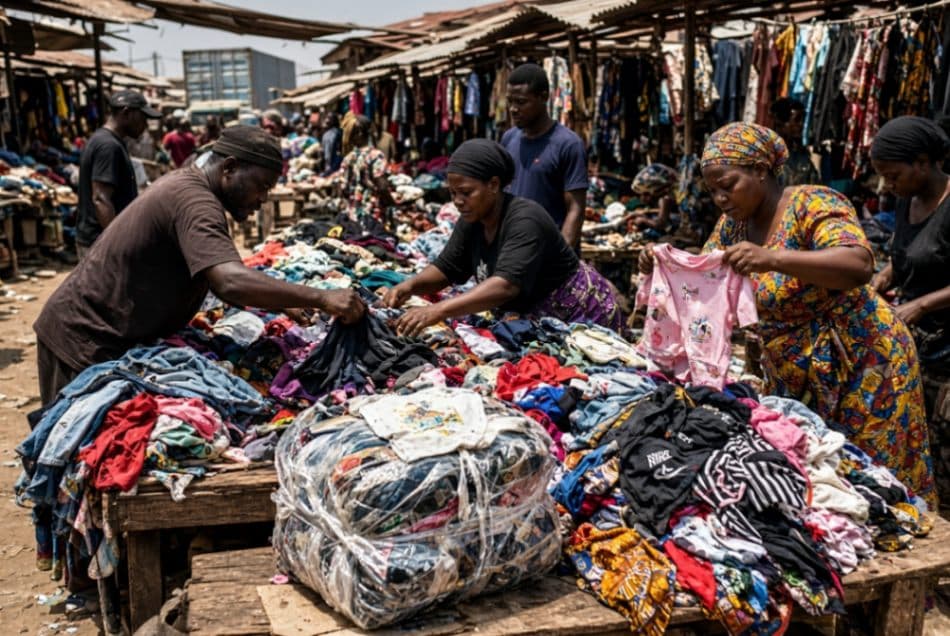
In Nigeria, “okrika” is a common word for secondhand clothes, shoes, and other used fashion items sold in markets or through resellers. The term is also closely tied to imported bale clothing, where traders buy mixed bundles and sort them for resale at different price points. In practice, many people use “okrika,” “thrift,” and “fairly used” to describe the same market, even though the quality and source can vary widely.
Nigeria’s secondhand clothes do not come from one fixed place, because the market is fed by international donations, resale exports, and commercial used-clothing networks. The broad pattern from recent research shows exporters such as the United States, Canada, Germany, France, China, and the UAE as major source countries for secondhand clothing flows into Africa.
| Source country or region | What it usually means in the trade flow | Practical implication for Nigerian buyers |
|---|---|---|
| United States | Large-volume used clothing exports and donations | Mixed quality, from casual wear to branded items |
| Canada | Used apparel and donation-linked exports | Often appears in bale sorting and premium mixes |
| Germany | Strong textile collection and export channels | Can include durable everyday wear |
| France | Used fashion and resale supply | More variety in style-led pieces |
| China | Re-export and trade network activity | Can appear in mixed regional supply chains |
| United Arab Emirates | Regional trade and redistribution hub |
Have something to give away or sell?
Post your first listing — it only takes a couple of minutes.
| Goods may already have passed through other markets |
The key point is that Nigeria’s thrift supply is global, but the exact country behind a specific piece is usually not visible to the shopper. By the time a shirt reaches a local market stall, it may have been collected, sorted, exported, baled, imported, and re-sorted again.
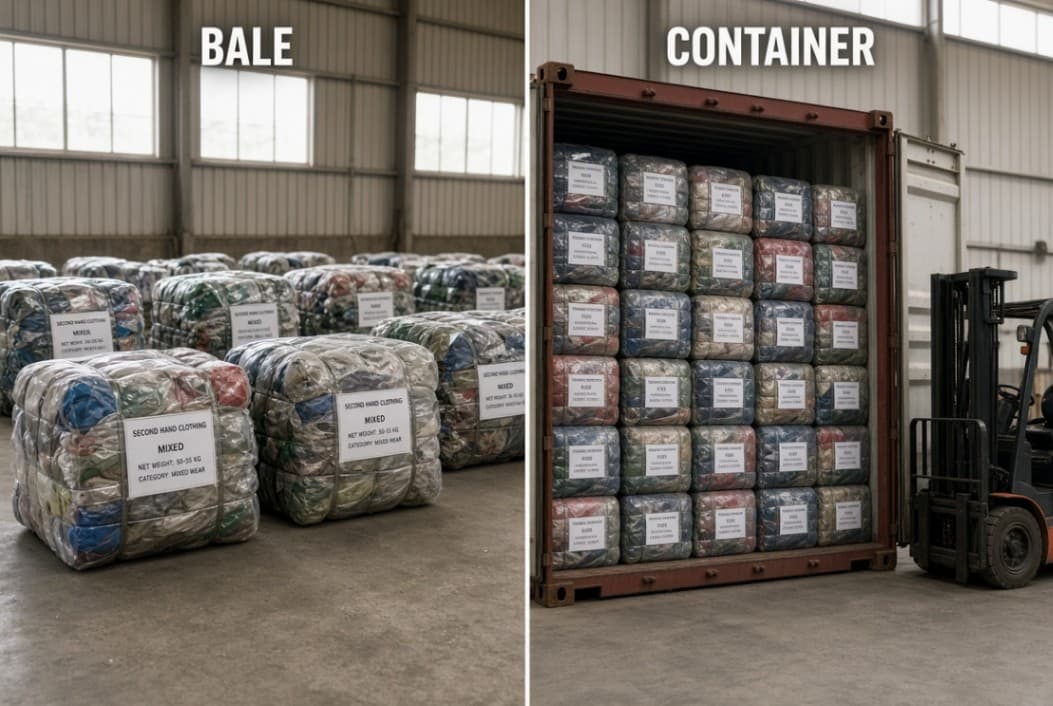
Secondhand clothing usually enters Nigeria through import and wholesale supply chains, then moves into open markets and retail stalls where traders sort items by quality, brand, and condition. Research on Africa’s secondhand clothing trade shows that West African countries such as Nigeria and Ghana are major importers, and that the trade is highly imbalanced, with far more imports than exports in the region.
A simple way to understand the route is this:
That chain explains why one bale can contain mixed quality: a near-new denim jacket, a faded T-shirt, a children’s dress, and a worn-out item may all come from the same shipment. In Nigeria, that mix is part of the risk and value of thrifting, because buyers often trade certainty for lower prices.
Imported secondhand clothing remains popular because it fills a clear affordability gap. As new apparel becomes more expensive, many Nigerians turn to thrift markets for style variety at lower prices, and local reports have noted that these markets are shaping fashion access in cities like Lagos.
The circular-economy research also shows that secondhand clothing trade is large and global, with billions of used items moving across borders each year. For Nigeria, that means the thrift market is not a side hobby; it is part of everyday clothing access for students, workers, families, and small traders.
Prices vary by city, market, season, and condition, but thrift shopping in Nigeria often starts from very low entry points and rises sharply for branded or near-new items. The table below gives practical ranges that are commonly seen in everyday markets and online resale spaces.
| Item type | Typical thrift range in Nigeria |
|---|---|
| Basic T-shirt | ₦1,000–₦3,500 |
| Jeans | ₦3,000–₦10,000 |
| Dresses | ₦2,500–₦15,000 |
| Sneakers | ₦5,000–₦25,000 |
| Bags | ₦3,000–₦30,000 |
| Jewellery | ₦1,000–₦20,000 |
| Children’s wear | ₦1,000–₦8,000 |
These ranges shift based on condition, brand, and whether the item is sold as single-piece retail or from a bale. A near-new hoodie from a premium bale will not be priced the same way as a mixed market pile, even if both are called okrika.
Secondhand fashion works best when you check the item carefully before paying. I usually treat each piece like a small inspection job, because the country of origin matters less than the condition in front of you.
This kind of checking is especially useful in bale markets, where the supply mix is unpredictable. It also helps you avoid paying premium prices for pieces that only look good from a distance.
Nigeria’s consumer protection framework recognizes the need for fair information, honest dealing, and protection from misleading market practices through the Federal Competition and Consumer Protection Commission system, which replaced the former CPC structure . In secondhand trading, that principle matters because buyers often cannot trace the exact origin of every item, so clear descriptions and honest condition disclosure are important .
For online or peer-to-peer trading, safe practice is more useful than assumptions. A seller’s photos, description, and response time matter more than a vague claim that an item is “foreign” or “imported.” When a seller shares clear measurements, close-up photos, and a condition note, the buyer can make a more informed decision, which matches basic consumer fairness principles .
People ask “where does okrika come from” for three main reasons: quality, price, and sustainability. Country of origin can sometimes hint at collection standards, sorting systems, or the kind of clothing usually found in a market supply chain, but it does not guarantee quality by itself.
It also matters because the secondhand trade has an environmental side. Global studies describe used-clothing trade as part of a circular system, but they also note that the trade is often dominated by high-volume exports into African markets, creating sustainability and waste challenges when poor-quality items enter the chain. In plain language, not every imported bale is a win for reuse, and not every used item is automatically sustainable.
A student in Lagos may buy a branded jacket for ₦7,000 from a thrift stall because a new one costs far more in a mall. A market seller in Aba may split a bale into smaller pieces and price the best items higher while moving the average items quickly. A family shopping for children’s clothes may choose secondhand because it lets them buy several outfits for the price of one new piece.
These examples show why the thrift market keeps growing: it offers access, variety, and faster style turnover at prices many households can handle. It also explains why the same category can look very different from one seller to another.
If you are writing or talking about okrika in Nigeria, the clearest answer is this: the clothes come from a global supply chain, with major source countries often including the United States, Canada, Germany, France, China, and the UAE, then moving through importers and local traders before reaching Nigerian markets. The exact piece in your hand may have passed through several trade layers, so the condition and inspection matter more than the label.
For practical shopping, the best habit is simple: check fabric, fit, smell, stitching, and price before paying. That approach gives you more value than relying on a seller’s “foreign” claim alone.
For Nigerian peer-to-peer resale, Threddo.com.ng can work as a useful place to post secondhand items with direct buyer-seller contact, and its safety guidance can help keep listings clearer and more transparent: Threddo safety and Threddo listings.
Okrika in Nigeria comes from a wide international secondhand network, not one country, and the biggest visible source countries in the trade commonly include the United States, Canada, Germany, France, China, and the UAE. What matters most for buyers is not just where the item started, but how it was sorted, described, and checked before sale. This article is for educational purposes only and does not constitute professional advice. Always follow safe trading practices and use your own judgement.