T
Loading…
Loading…
Last Updated: September 2026
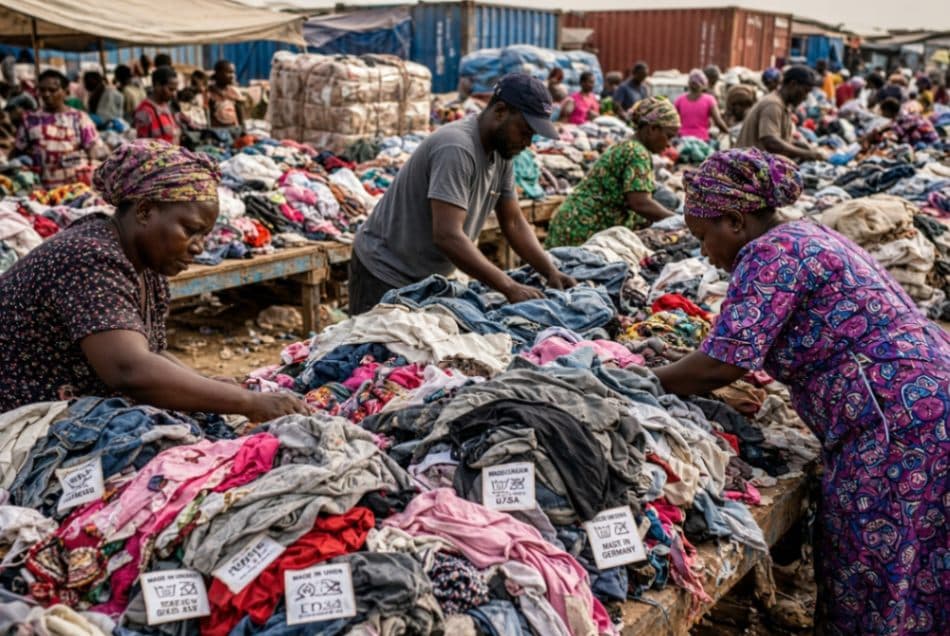
Okrika is the Nigerian name commonly used for secondhand clothing, shoes, bags, and other fashion items. The word is often associated with the Rivers State port town of Okrika, although secondhand clothing entering Nigeria can move through several ports, borders, wholesalers, warehouses, and local markets.
The supply chain usually begins with clothing that someone no longer wants in another country. It may pass through collection points, charity organisations, commercial sorting companies, exporters, shipping agents, Nigerian importers, wholesalers, market traders, and finally individual buyers. Research on Africa’s secondhand clothing trade identifies Nigeria as one of the continent’s major importing countries, alongside other important markets in West and East Africa.
Understanding this journey helps explain why one bale may contain premium denim, workwear, children’s clothing, damaged items, or garments that need repair before resale.
In everyday Nigerian usage, “okrika” generally refers to used or previously owned goods, especially clothes and shoes. The term does not describe one particular brand, country, or quality grade.
The name became linked with the movement of imported secondhand goods through Okrika in Rivers State. Over time, Nigerians began using “okrika” more broadly for thrift clothing, including items that may have entered through Lagos or other trade routes. Inside Nigeria’s Thrift Industry provides context on its evolution.
Common examples include:
“Secondhand” describes the product’s previous ownership. It does not automatically mean an item is dirty, damaged, fake, or poor quality. The condition depends on how it was used, collected, sorted, packed, transported, and stored.
| Stage |
|---|
Have something to give away or sell?
Post your first listing — it only takes a couple of minutes.
| What happens |
|---|
| Main participants |
|---|
| 1. First ownership | People donate, sell, or discard clothing | Households, businesses, charities |
| 2. Collection | Clothing is gathered from homes, bins, shops, and campaigns | Collectors, charities, textile companies |
| 3. Sorting | Items are separated by type, condition, season, and destination | Sorting facilities and graders |
| 4. Baling | Clothing is compressed into large wrapped bundles | Exporters and warehouse operators |
| 5. Export | Bales are documented and shipped internationally | Exporters, freight companies, shipping lines |
| 6. Import and clearance | Cargo is processed through Nigerian trade and customs procedures | Importers, agents, port authorities |
| 7. Wholesale distribution | Bales move to wholesalers and major trading hubs | Importers, distributors, market dealers |
| 8. Retail and resale | Items are opened, selected, cleaned, repaired, and sold | Traders, thrift vendors, online sellers |
| 9. Further use | Buyers wear, alter, donate, resell, or repurpose items | Households, tailors, resale platforms |
The chain is not always linear. Some Nigerian traders buy directly from overseas suppliers, while others purchase bales from local importers. Some clothing is also traded within Africa after arriving in another country.
The process starts when clothing leaves its first owner. Possible sources include:
A donated garment may be sold in a charity shop, sent to a sorting facility, or included in a commercial export stream. The destination depends on the organisation’s agreements, sorting capacity, demand, and the condition of the item.
Not every donated item travels to Nigeria. Clothing can be sold domestically, exported to another country, recycled into fibres, converted into rags, or discarded when it is unsuitable for reuse.
At a sorting facility, workers and equipment separate items according to characteristics such as:
Some exporters use broad grades such as premium, standard, or lower grade. These labels are not universal industry definitions, so the meaning can vary between suppliers.
A bale described as “jeans,” for example, may contain different denim sizes, colours, brands, cuts, and conditions. A bale described as “mixed clothing” may include shirts, skirts, trousers, tops, and jackets.
Sorting can remove obvious stains, severe damage, wet items, or clothing that is unlikely to be wearable. However, the final quality of an imported bale is not perfectly predictable because a bale may contain hundreds of compressed pieces and may not be individually inspected by the Nigerian buyer.
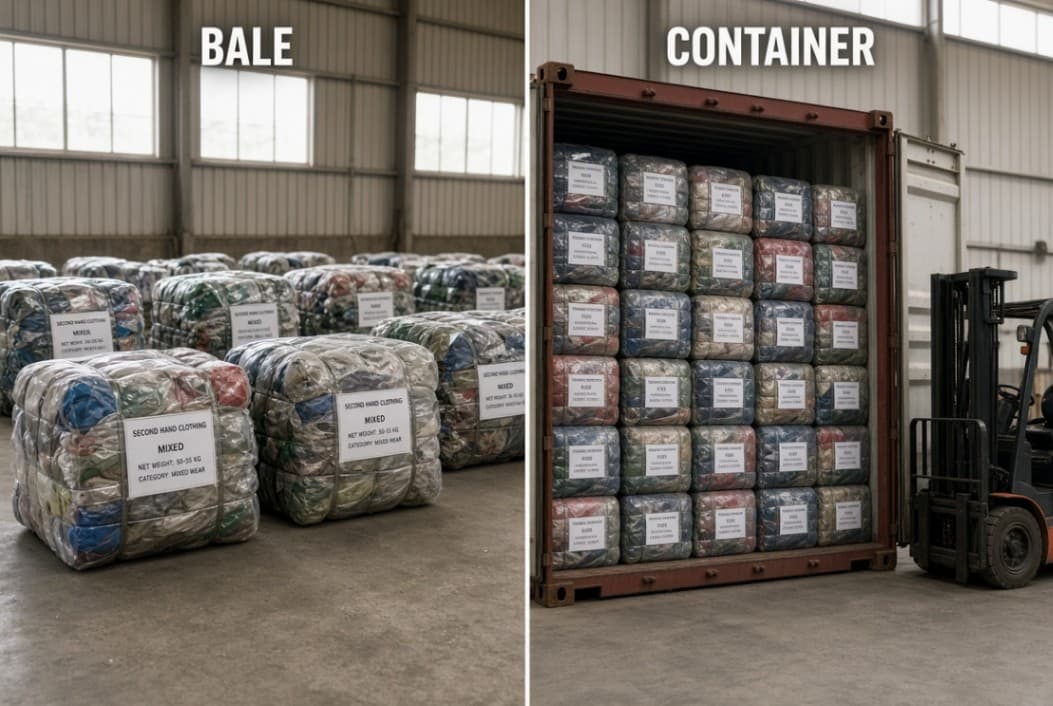
After sorting, clothing is compressed into large bundles called bales. Compression reduces the space required for transport and allows many garments to be shipped together.
A bale may be:
Bale sizes differ. Some are small enough for a trader to handle with assistance, while others require several people or equipment to move. Prices also vary widely depending on clothing category, grade, source, freight conditions, currency exchange rates, and the importer’s location.
A bale is not the same as a curated box of individually selected clothes. This distinction explains why one buyer may find high-value pieces while another finds more items requiring repair or repurposing.
The exporter prepares the cargo for international transport. Depending on the transaction, this can involve:
The clothing may be shipped directly to Nigeria or routed through another country. West African trade is interconnected, and research has documented both international imports and movement between African countries.
The transport method is commonly maritime freight because large volumes of bales can move in containers. Shipping time depends on the origin, route, port congestion, trans-shipment arrangements, documentation, and seasonal conditions.
After arrival, the container enters the Nigerian import process. In practice, the shipment may be associated with a port, bonded terminal, freight forwarder, customs agent, warehouse, or inland distribution route.
Lagos is a major commercial centre for imported goods, while Port Harcourt and other locations also matter to Nigerian trade. The exact route depends on the importer, shipping arrangement, port operations, and applicable government requirements.
Import clearance can involve:
Rules and restrictions can change, and classification depends on the goods and the transaction. Importers and agents generally rely on current guidance from the Nigeria Customs Service and other relevant authorities rather than treating informal market explanations as complete legal information.
Once released, bales may move to warehouses or wholesale markets. The importer may:
The price paid by a wholesaler reflects more than the clothing itself. It may include freight, port-related charges, clearance expenses, storage, transport, labour, currency changes, losses, and the importer’s operating margin.
This is why a bale’s price cannot be calculated simply by dividing the overseas donation value by the number of garments. The commercial supply chain adds handling and logistics costs at multiple stages.
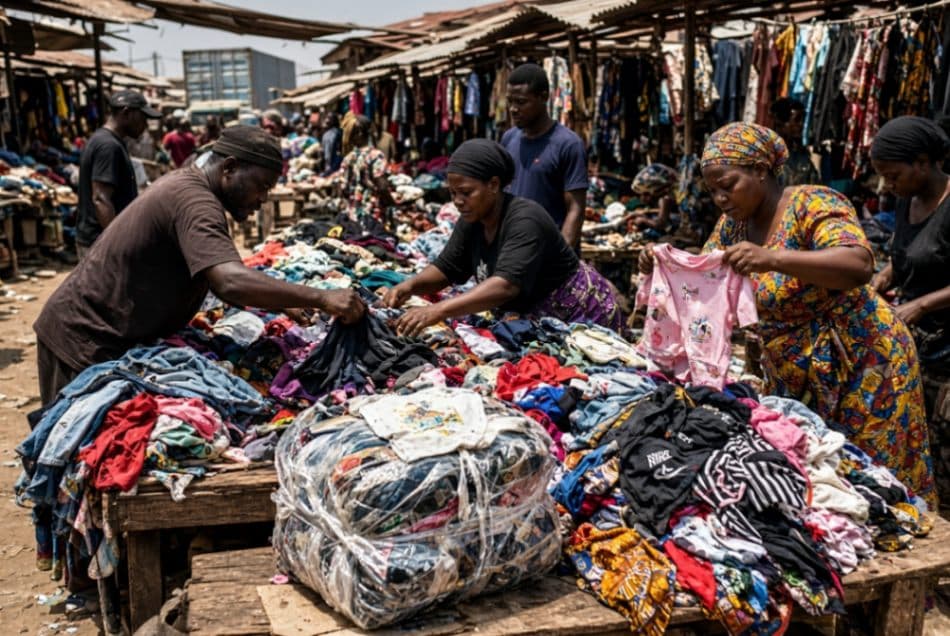
Some traders sell bales unopened. Others open them and sort the contents into smaller groups.
A seller may separate clothing into:
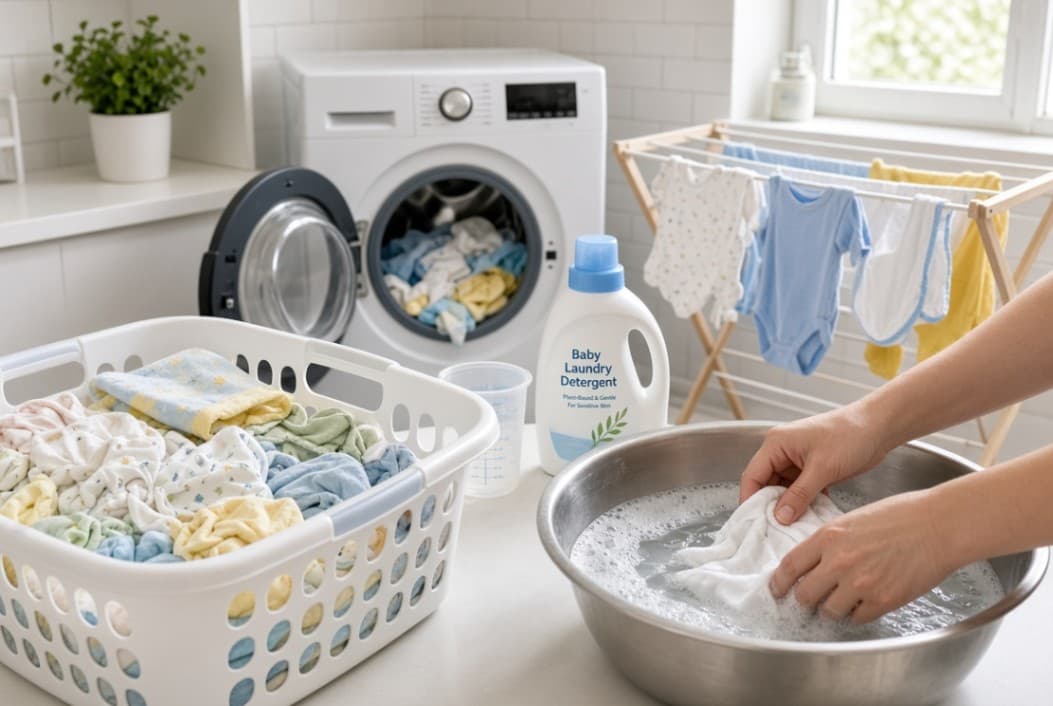
Preparation may include washing, airing, steaming, ironing, minor sewing, replacement of buttons, shoe cleaning, or removal of surface marks. Different traders use different processes, and buyers cannot assume that every item has received the same level of preparation.
For online resale, accurate descriptions help reduce misunderstandings. A listing can state the measured size, visible defects, fabric, colour, condition, and whether the item has been cleaned or repaired.
The following figures are illustrative market-planning ranges, not fixed national prices. Actual prices change by city, category, quality, season, supply, exchange rate, transport cost, and seller.
| Transaction point | Illustrative range | What affects the amount |
|---|---|---|
| Individual thrift item | ₦1,000–₦25,000+ | Brand, condition, category, scarcity, presentation |
| Premium jacket or footwear | ₦10,000–₦60,000+ | Material, brand, condition, size, authenticity |
| Small mixed bundle | ₦20,000–₦150,000+ | Quantity, category, sorting, seller reputation |
| Commercial bale | ₦100,000–₦1,000,000+ | Bale size, grade, type, freight, location, market demand |
These ranges are not a price promise. A seller’s price also reflects time spent sourcing, transporting, cleaning, repairing, photographing, storing, and communicating with buyers.
A secondhand item may have had limited use, may have come from an unsold retail stock stream, or may have been donated soon after purchase. Other garments may have been worn frequently but maintained carefully.
Condition labels can include:
These labels are informal unless a particular seller defines them. Photographs and measurements provide more useful information than a grade label alone.
Not every imported item becomes a successful retail sale. Items may be:
This is one reason the secondhand trade has environmental benefits and environmental challenges at the same time. Extending a garment’s useful life can reduce demand for a new replacement, but poor waste systems can create problems when damaged or unwanted textiles accumulate.
Academic research has described Africa’s secondhand clothing value chain as economically important but also associated with waste-management, industrial-development, and sustainability concerns. The international trade is therefore not automatically circular simply because an item is reused.
A practical inspection can focus on the points below.
Nigeria’s Federal Competition and Consumer Protection framework is relevant to consumer protection and fair commercial practices, while marketplace safety practices help reduce fraud and misunderstandings. The exact legal position can depend on the transaction and facts, so this article does not replace professional legal guidance.
Imagine a denim jacket first owned in the United Kingdom:
This example is simplified. A different jacket may travel through a charity shop, another exporter, another African country, or several Nigerian traders before reaching its final user.
For people who already own good-condition clothing, shoes, bags, jewellery, hair, or accessories, Threddo provides a Nigerian, WhatsApp-first way to post an item for direct buyer-seller contact. A clear description, honest condition details, measurements, and careful communication make a listing easier to understand; practical transaction precautions can also be reviewed through the Threddo safety page.
Peer-to-peer resale differs from imported bale trade because the seller usually lists an individual item rather than purchasing an unknown bulk bundle. That makes condition disclosure, photographs, and agreed collection or delivery details especially important.
Okrika gets to Nigeria through a multi-stage supply chain: collection, sorting, grading, baling, export, shipping, import clearance, wholesale distribution, retail preparation, and final resale. The clothing may come from households, charity channels, commercial textile collectors, retailer returns, and other secondhand networks, while the Nigerian market adds transport, storage, labour, sorting, cleaning, repair, and resale.
The supply chain supports affordable access to clothing and creates work for importers, wholesalers, traders, tailors, cleaners, delivery workers, and resellers. It also creates questions about textile waste, imported clothing volumes, local manufacturing, transparency, and what happens to pieces that cannot be sold.
This article is for educational purposes only and does not constitute professional advice. Always follow safe trading practices and use your own judgement.