T
Loading…
Loading…
Last Updated: September 2026
Secondhand designer belts can be a smart buy when you know what to check, because the strongest value is often in condition, craftsmanship, and seller transparency rather than the hype around a label. In Nigeria’s growing thrift and resale market, a careful authenticity check saves time, money, and stress while helping you shop with more confidence.
Designer belts are one of the easiest luxury items to copy because the shape is simple, the logo is visible, and many buyers focus on the buckle first. That makes belts a frequent target in resale markets where photos may hide poor stitching, weak leather, or mismatched hardware.
In Nigeria, thrift and preloved fashion continue to grow because many shoppers want style at lower cost, while sellers use marketplaces and social commerce to move goods quickly. That growth creates opportunity, but it also means you need a method, not guesswork.
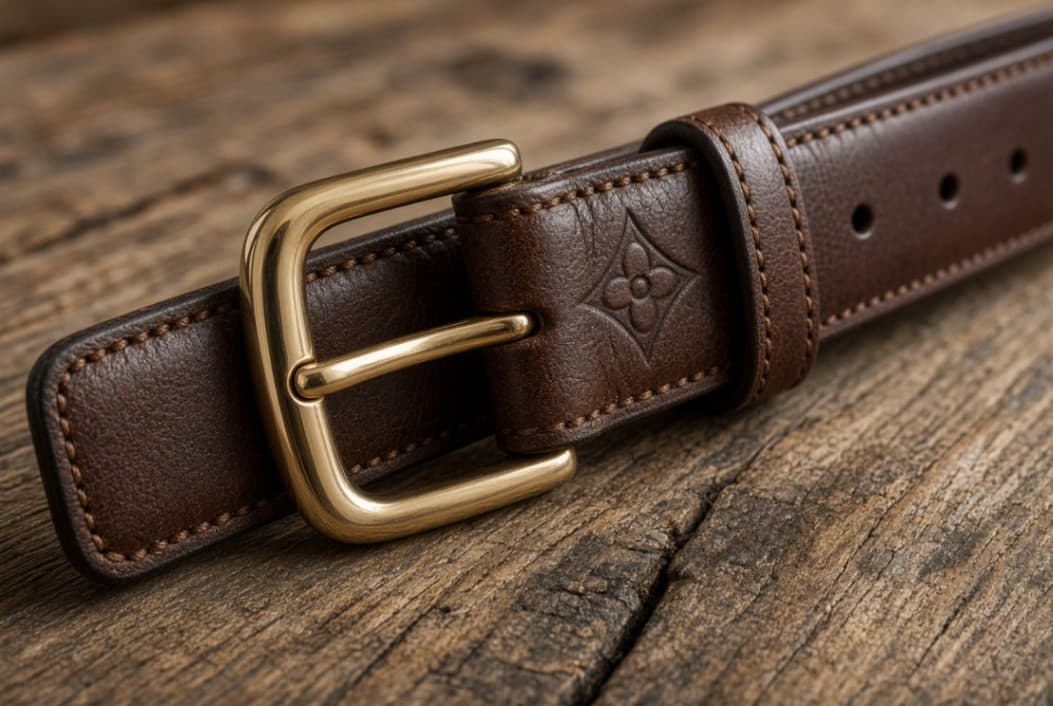
When I check a secondhand designer belt, I start with the overall build, then move to details that are harder to fake well. A real luxury belt usually feels balanced, finished neatly, and consistent across the leather, holes, buckle, and branding.
Real designer belts usually use leather that feels dense, smooth, or naturally textured, depending on the brand. Fake belts often use shiny coated surfaces, stiff backing, or a chemical smell that feels out of place.
Look for:
Stitching is one of the easiest tells because counterfeit makers often rush this part. Authentic belts usually have straight, even stitching with matching thread tension and no wandering lines.
Pay attention to:
Have something to give away or sell?
Post your first listing — it only takes a couple of minutes.
Brand logos are often copied badly, even when the fake looks convincing from a distance. Check letter spacing, font thickness, alignment, and whether the logo sits exactly where it should on the buckle, strap, or lining.
Common warning signs include:
Hardware is one of the strongest authenticity clues because quality metalwork is difficult to imitate cleanly. Real designer buckles often feel solid, have consistent plating, and show clean engraving instead of rough etching.
Check for:
Many luxury belts include model codes, size stamps, brand marks, or country-of-origin stamps. The exact format depends on the brand, but the marking should be clean, believable, and consistent with that brand’s known style.
A weak sign is a stamp that looks deep one place and shallow the next, or text that sits crookedly. Another warning sign is a serial number that is presented as “proof” but doesn’t match the brand’s usual identification format.
Different brands use different details, so one universal check is not enough. A belt that looks “close enough” for one label may be an obvious fake for another.
| Checkpoint | What real pieces tend to show | What fake pieces often show |
|---|---|---|
| Leather texture | Consistent, premium feel | Plastic-like shine or stiffness |
| Stitching | Straight and even | Loose, uneven, or messy |
| Logo | Clean, precise, aligned | Crooked, fuzzy, or misspelled |
| Buckle | Solid, weighty, polished | Light, rough, or hollow |
| Stamps/codes | Neat and believable | Random, shallow, or inconsistent |
This table helps with general screening, but brand-specific reference images matter even more. Before paying, compare the seller’s photos with official product photos from the brand’s own website or trusted retailers.
A fake designer belt is often exposed by the listing, not the item itself. If the seller avoids clear close-ups, uses filtered images, or refuses to show the buckle, stitching, or interior stamps, treat that as a warning.
Watch out for:
For secondhand shopping in Nigeria, vague descriptions are especially risky when the item is tagged as “UK used,” “designer,” or “authentic” without proof. A careful buyer asks for close photos from different angles before agreeing to meet or pay.
Price alone does not prove authenticity, but it can help you spot unlikely deals. A genuine secondhand designer belt may vary in price based on wear, rarity, and packaging, yet extreme bargains often need more scrutiny.
Here is a practical guide:
| Listing type | Example price range in Nigeria | What it may mean |
|---|---|---|
| Regular thrift fashion belt | ₦3,000–₦15,000 | Common resale item, not usually luxury |
| Mid-range branded belt | ₦15,000–₦60,000 | Needs detail checks and seller proof |
| Designer belt in good condition | ₦60,000–₦250,000+ | Requires strong authenticity evidence |
These ranges are not a guarantee, because brand, condition, age, and market demand change the number. The useful habit is to compare the asking price with the item’s quality, box, receipt, and seller history.
When you are viewing a secondhand designer belt, this checklist keeps the process focused.
If two or three details feel off, pause and compare with another listing. Luxury counterfeits often fail in small ways that become obvious once you slow down.
Nigeria’s consumer protection framework emphasizes fair dealing, truthful representation, and protection against misleading claims, so item descriptions should match what is actually sold. That matters in resale because “authentic” is not a decorative word; it is a claim that should be treated carefully.
Practical safety habits include:
If the seller offers only one unclear photo and a big discount, the safe response is to gather more proof first. That habit protects you more than any single authenticity trick.
A belt with a neat logo but loose, uneven stitching may still look fine in a mirror, yet the stitching tells a different story. Another belt may have a convincing buckle but a strap that bends like coated cardboard, which often points to lower-quality construction.
Here is how I would read three common cases:
These examples show why authenticity checks work best as a bundle, not one sign at a time.
In Lagos and other major Nigerian cities, resale fashion moves quickly because shoppers care about appearance, convenience, and value. That speed is useful, but it also makes people rely too much on trust language like “UK used” or “almost new” instead of inspection.
The most practical approach is to treat every expensive belt like a small investigation. Compare the listing with known brand images, ask for proof, and pay attention to the seller’s response speed and willingness to show detail. A real seller usually has more than one usable photo.
| Situation | Safer response |
|---|---|
| Seller shares clear close-ups | Compare details with official references |
| Seller avoids buckle photos | Ask again or pause |
| Price looks unusually low | Check stitching, stamp, and hardware closely |
| Receipt is available | Review date, store name, and product match |
| Item looks good but feels off | Compare with another listing before paying |
This guide is simple on purpose. Most counterfeit problems become easier to avoid once you slow down and compare details systematically.
If you are posting or browsing preloved accessories on Threddo, keep your photos sharp, include close-ups of the buckle and stamp, and use the safety guidance on the platform’s safety page and listings page to make review easier.
The easiest way to spot a fake designer belt is to check the whole item, not just the logo: examine the leather, stitching, hardware, stamps, and seller behavior together. In secondhand fashion, the strongest proof is usually consistency across all the details, not one flashy image.
This article is for educational purposes only and does not constitute professional advice. Always follow safe trading practices and use your own judgement.