T
Loading…
Loading…
Last Updated: September 2026
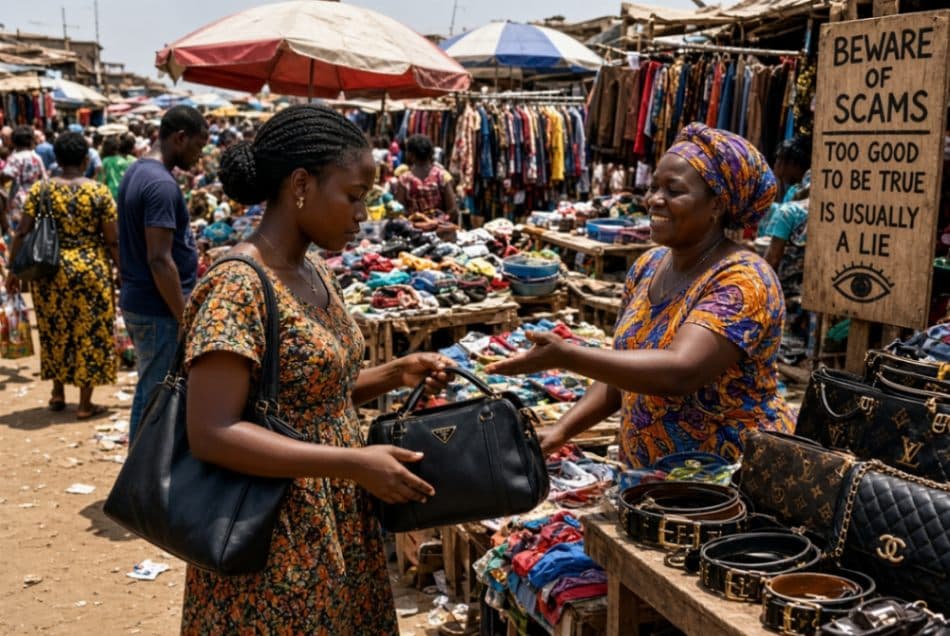
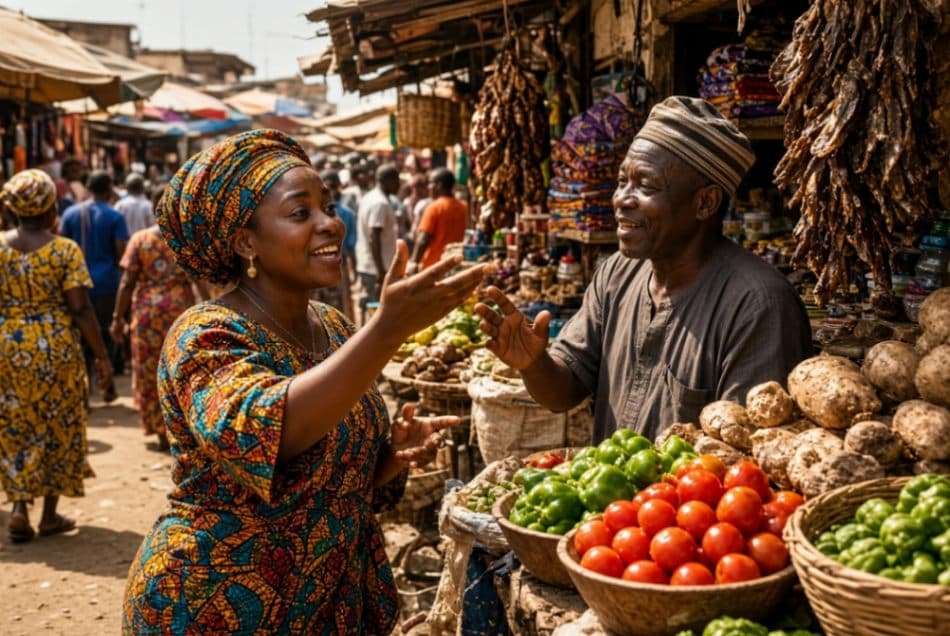
Bargaining is part of everyday market culture in Nigeria, especially in open markets, thrift spots, and informal trading spaces where prices are flexible. The way you speak can change the tone of the deal, help you sound respectful, and sometimes open the door to a better price. In secondhand fashion and general market shopping, learning a few Pidgin lines can make you feel more confident and less like a stranger.
If you shop for clothes, shoes, bags, or accessories in places where negotiation is normal, simple market Pidgin can help you communicate quickly and keep the exchange friendly. It also fits the way many Nigerians already talk when discussing price, quality, and “how much?” in busy market settings.
Here are common Pidgin lines that can help you bargain without sounding rude. I’ve grouped them by situation so you can use the one that matches the moment.
| Situation | Pidgin phrase | What it means in simple English |
|---|---|---|
| Asking for price | “How much be this one?” | How much is this? |
| Starting negotiation | “E too cost.” | It is too expensive. |
| Making an offer | “Abeg, reduce am small.” | Please lower it a little. |
| Saying your budget | “Na this amount I get.” | This is the amount I have. |
| Comparing prices | “I fit see am for another place cheaper.” | I can find it cheaper somewhere else. |
| Showing interest politely | “I like am, but the price high.” | I like it, but the price is high. |
| Trying to close the deal | “Make we meet for middle.” | Let’s agree on a middle price. |
| Asking for final price | “Wetin be your last price?” | What is your final price? |
| Checking quality | “E remain how?” | What is the condition like? / What is left? |
| Leaving politely | “No vex, I go waka go another shop.” | No offense, I’ll check another shop. |
Have something to give away or sell?
Post your first listing — it only takes a couple of minutes.
The bargaining flow usually works better when you start polite, show interest, then make your offer calmly. Many sellers respond better when they feel respected, not pressured. A friendly tone, eye contact, and a smile can make the conversation easier than trying to sound too aggressive.
A simple bargaining pattern looks like this:
For example, if a vendor says ₦12,000 for a pair of thrift sneakers, you can reply: “E nice, but ₦8,000 dey my hand. Abeg, make we meet for middle.” That keeps the conversation direct without sounding disrespectful.
The words you use matter, but the way you behave matters too. In many Nigerian markets, sellers pay attention to tone, patience, and how serious you look. If you ask for a price and immediately act shocked, the conversation can become tense.
Useful habits include:
For secondhand items, inspection is part of the process. In used fashion trading, condition often explains price differences, so asking about wear and tear is normal.
Thrift shopping often needs a slightly different approach because the condition, brand, and rarity of the item shape price. A good bargaining line can sound casual, especially in markets where fashion items move fast. If you’re shopping for thrift clothes, bags, shoes, or accessories, these lines can help.
For clothes with visible wear, it helps to talk about the defect gently. For example, “The shirt still fine, but the sleeve get small issue” is more practical than saying the item is bad. That tone keeps negotiations smoother.
Not every price conversation needs to continue forever. Sometimes the seller has already given a fair market price, especially when the item is clean, branded, or in strong condition. In those cases, a simple “Thanks, I go think am” works better than pushing hard.
A useful rule in everyday shopping is to stop negotiating when:
Walking away politely can still leave room for a later deal. In many markets, sellers remember respectful buyers.
When you bargain for secondhand goods or general market items, safety is part of smart trading. Nigeria’s consumer protection framework recognizes the need for fair dealing, accurate information, and protection from misleading practices, while sellers also benefit from clear communication and honest description of goods. In practical terms, that means you should confirm condition, price, and delivery details before money changes hands.
For online or WhatsApp-first trading, use clear photos, ask for exact location, and avoid rushing payment without checking the item details. If a seller’s description and the item don’t match, pause the deal and ask questions before proceeding. That habit reduces confusion and helps both sides trade more confidently.
Here’s a quick memory list you can save for market days:
These phrases are short, easy to remember, and useful in live market conversations. If you shop often, they can become part of your normal buying style.
Seller: “Na ₦15,000.”
Buyer: “E too cost. Na ₦10,000 I get.”
Seller: “₦10,000 small. I fit do ₦13,000.”
Buyer: “Abeg, make we meet for ₦11,500.”
Seller: “Okay, make we do am.”
That kind of exchange works because both sides state their position clearly and leave room for compromise. In Nigerian markets, the tone is often as important as the number.
If you buy or give away secondhand fashion online, keep your listing clear, your photos honest, and your price simple so bargaining stays smooth and safe. Platforms like Threddo can make that easier because the trading style is built around direct buyer-seller contact and practical secondhand listings.
Learning how to bargain in Nigerian market settings is less about aggression and more about timing, tone, and clear Pidgin phrases that keep the deal respectful. When you know what to say, you can ask for price, test flexibility, and close calmly without stress. This article is for educational purposes only and does not constitute professional advice. Always follow safe trading practices and use your own judgement.