T
Loading…
Loading…
Last Updated: September 2026
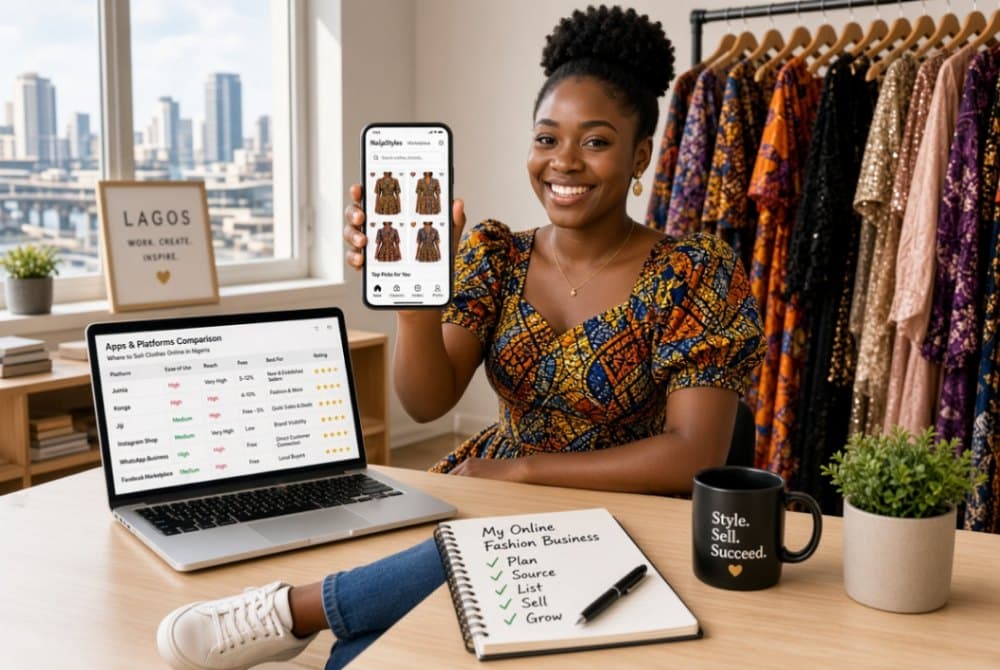
If you want to sell clothes online in Nigeria, the right platform depends on how fast you want replies, how much control you want over your listings, and how safely you want to handle buyers. In practice, many Nigerian sellers use a mix of WhatsApp, marketplaces, and social commerce because online buying often depends on trust, clear photos, and fast chat responses.
When I compare platforms for fashion resale in Nigeria, I look at five things: discoverability, ease of listing, buyer trust, payment flow, and control over the conversation. Nigerian e-commerce transactions still carry fraud and misrepresentation risks, so platforms that make seller identity, product details, and communication clearer tend to work better in real life.
For secondhand clothing specifically, the circular-fashion angle matters too. Nigeria’s growing reuse culture can reduce waste, but it also needs better sorting, listing quality, and responsible resale practices because poor-quality textile waste creates environmental pressure.
| Platform | Best for | Strengths | Trade-offs |
|---|---|---|---|
| WhatsApp Business | Direct selling, repeat buyers, quick chat | Free, familiar, easy cataloging, fast communication | Discovery depends on your own audience |
| Visual fashion sales, style-led branding | Strong for photos, reels, and social proof | Requires consistent content and engagement | |
| Facebook Marketplace | Local buyers and low-friction listings | Large audience, simple listing flow | Trust can vary, and spam is common |
| Jiji | Broad classifieds reach | Good for local visibility and bargain shoppers | More screening is needed for buyer quality |
| Jumia | Structured marketplace selling | More formal buying experience | Fashion resale is less flexible than chat-first channels |
| Threddo | Secondhand fashion and peer-to-peer trading |
Have something to give away or sell?
Post your first listing — it only takes a couple of minutes.
| Built for pre-loved fashion, direct contact, no fees |
| Best when you want fashion-specific discovery |
WhatsApp Business is one of the most practical tools for selling clothes online in Nigeria because most buyers already use it daily. It works well for thrift sellers who want to send catalogs, answer size questions, and close deals without forcing buyers into a complex checkout process.
It also fits the way Nigerian fashion buying happens in practice: the customer asks for available items, checks measurements, negotiates, and then arranges payment or pickup. That direct flow is useful, but it also means you need clear item descriptions and proof of condition because online sellers are expected to give accurate information and avoid misleading representations.
Instagram is strong for clothes because fashion sells visually. If you can style pieces well, post clear try-on photos, and use reels or stories consistently, Instagram can bring in buyers who care about aesthetics as much as price.
This platform works especially well for curated thrift pages, vintage pieces, and occasion wear. The challenge is that Instagram does not remove the need for good transaction hygiene; clear item details, size notes, and truthful condition descriptions still matter because online product misrepresentation can trigger consumer complaints under Nigerian consumer-protection principles.
Facebook Marketplace can help you reach local buyers who are already searching for affordable clothes, shoes, bags, and other fashion items. It is useful for secondhand listings because buyers often compare options by location and price before starting a chat.
The downside is that marketplace environments can attract spammy enquiries, so listing clarity becomes important. In Nigeria’s e-commerce environment, anonymous identities and unverified accounts are a recurring risk, which makes it important to avoid vague descriptions and to keep conversation records.
Jiji is a classifieds-style marketplace that can work for clothing resale, especially when you want wide visibility and local buyer reach. It is useful for sellers who list many items and want a platform that people already use for secondhand goods.
For clothes, the main requirement is precision: size, brand, condition, location, and price all need to be obvious. That matters because Nigerian consumer law emphasizes clear information, and digital sellers are expected to disclose enough detail for informed decisions.
Jumia is better known as a structured e-commerce platform than a pure peer-to-peer thrift platform, so it can work for fashion sellers who want a more formal online retail environment. It may suit sellers with inventory discipline, repeated stock, and a process for packaging and fulfilment.
That said, it is not as flexible as chat-first selling for one-off secondhand pieces. Fashion resale often depends on item uniqueness, quick buyer questions, and real-time updates, which is why many thrift sellers still prefer tools that support direct communication.
WhatsApp-first commerce fits Nigeria because buyers want quick replies, familiar chat, and a direct human conversation before paying. Platforms built around WhatsApp can reduce friction for sellers who do not want to build a full website or manage complex checkout steps.
This model also suits secondhand fashion because buyers often need extra details: measurements, fabric feel, wear condition, and whether the item is still available. In that sense, WhatsApp-first selling reflects how trust is built in Nigeria’s resale market, especially where inspection is limited.
| Selling style | Best use case | Example item |
|---|---|---|
| Chat-first | Fast replies and flexible negotiation | Pre-loved dresses, sneakers, bags |
| Feed-first | Visual branding and browsing | Styled outfits, curated thrift edits |
| Listing-first | Search and comparison shoppers | Jackets, jeans, shoes |
| Marketplace-first | Broad exposure and local pickup | Mixed wardrobe clear-outs |
Safety is not optional in online fashion selling. Nigerian e-commerce research repeatedly points to fraud, deceptive listings, misleading descriptions, and weak dispute resolution as major risks, while the FCCPA gives consumers rights to clear information and protection from misleading trade practices.
For sellers, the practical response is simple: make every listing easy to verify. A buyer should be able to see the item, understand its condition, and know what is included before any money changes hands.
For secondhand clothes in Nigeria, pricing usually depends on brand, condition, demand, and presentation. Well-photographed items with accurate descriptions often move faster because buyers can compare value more easily.
| Item type | Typical resale range |
|---|---|
| Basic tops and tees | ₦1,500–₦5,000 |
| Jeans and trousers | ₦3,000–₦10,000 |
| Dresses | ₦4,000–₦15,000 |
| Sneakers | ₦5,000–₦25,000 |
| Handbags | ₦4,000–₦30,000 |
| Jewellery and accessories | ₦1,000–₦10,000 |
These ranges are practical starting points, not fixed rules. In fashion resale, presentation, condition, and buyer demand can shift the final price more than the label itself.
A strong clothing listing usually follows a simple pattern. This helps buyers decide faster and reduces repetitive questions.
That kind of listing works because it gives enough detail for informed decisions, which aligns with the disclosure standards emphasized in Nigeria’s consumer-protection framework.
If I compare the options strictly for selling clothes online in Nigeria, the most practical path often looks like this:
For secondhand fashion specifically, a fashion-focused marketplace can improve discovery because it groups the right buyers around clothing, shoes, bags, and accessories instead of mixing them with unrelated categories. That is also where circular-fashion platforms make sense, because Nigeria’s reuse economy needs better sorting, clearer listings, and easier buyer-seller matching.
If you want a fashion-specific, WhatsApp-first place for secondhand items, Threddo is designed around direct buyer-seller contact, no fees, and categories that match how people actually shop for pre-loved clothing, shoes, bags, jewellery, hair, and accessories. For sellers who want a lighter setup, that structure can save time while keeping the process familiar.
The best app to sell clothes online in Nigeria is the one that matches your inventory size, your need for direct chat, and the level of trust you can build with buyers. For many sellers, WhatsApp Business and Instagram are the easiest starting points, while marketplaces like Jiji, Facebook Marketplace, and fashion-focused platforms help with discovery and reach. This article is for educational purposes only and does not constitute professional advice. Always follow safe trading practices and use your own judgement.