T
Loading…
Loading…
Last Updated: September 2026
Buying thrift clothes is only half the skill; knowing a few basic tailoring fixes helps you turn a good find into a wearable one. In Nigeria, where secondhand clothing is popular because it is affordable and reusable, simple mending can help you keep garments in rotation longer and reduce avoidable waste.
When I buy thrift items, I check more than style. I look at fit, fabric condition, seam strength, buttons, zips, hems, and whether a small repair can make the item usable again. This matters because a thrift piece with a tiny defect can often be improved at home for far less than the cost of replacing it, especially when the issue is a loose button, open seam, or loose hem.
Basic tailoring also supports circular fashion. Reuse, repair, resale, and alteration all help keep garments in use longer, which is one of the practical ways circular fashion reduces textile waste. For thrift buyers, that means less money wasted on clothes that almost fit and more value from each purchase.
If you are starting from zero, I would focus on a small set of repairs that solve most thrift problems. These are simple enough to practice at home and useful across shirts, trousers, skirts, dresses, jeans, school uniforms, and jackets.
These skills do not require a full tailoring workshop. A needle, thread, scissors, pins, measuring tape, chalk, and an iron can handle many thrift repairs at home.
A small mending kit is enough for most beginner repairs. I like to think of it as a thrift care kit rather than a sewing box, because it helps you protect what you already bought.
| Tool | Use | Typical Nigeria price range |
|---|---|---|
| Hand needles | General stitching and repairs | ₦200–₦800 |
| Polyester thread |
Have something to give away or sell?
Post your first listing — it only takes a couple of minutes.
| Strong, everyday stitching |
| ₦300–₦1,000 |
| Small scissors | Cutting thread and loose ends | ₦800–₦3,000 |
| Measuring tape | Checking fit and alterations | ₦500–₦2,000 |
| Tailor’s chalk | Marking hems and adjustments | ₦300–₦1,500 |
| Pins or clips | Holding fabric in place | ₦300–₦2,000 |
| Seam ripper | Removing bad stitches | ₦500–₦2,500 |
| Iron | Pressing hems and seams flat | varies by household |
The exact price depends on location and quality, but these tools are usually cheaper than repeatedly replacing clothing. For a student in Ibadan or any other Nigerian city, the main goal is to keep the kit simple and usable.
Loose and missing buttons are among the easiest thrift repairs. The basic idea is to match the thread to the fabric, pass the needle through the button holes several times, and finish with a secure knot on the inside. For thicker fabrics, the button may need a tiny thread “shank” so it sits properly above the cloth and does not pull too tightly.
Practical use cases:
A strong button repair helps prevent the item from being abandoned over a tiny fault.
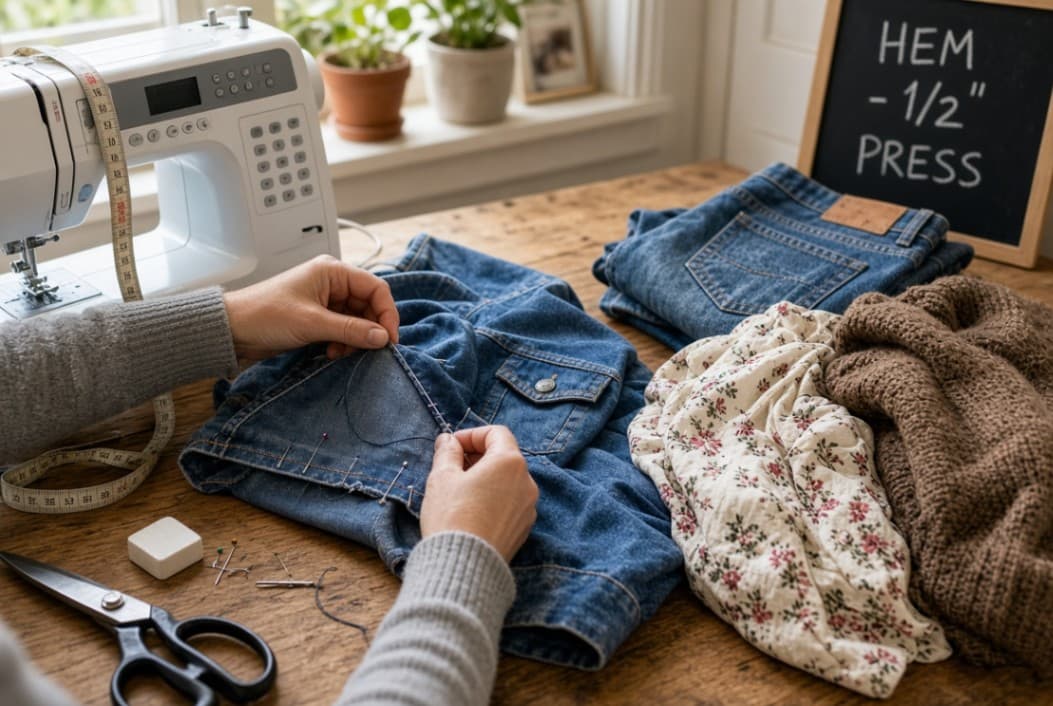
A loose hem is common in thrift trousers, skirts, and dresses because previous owners may have altered the length. A neat hem repair usually involves folding the fabric to the correct length, pinning it, and stitching it with small, even stitches such as a running stitch or backstitch depending on the fabric and how visible the hem is.
Good hem checks:
This repair can instantly improve the look of a thrift item, especially on office wear and schoolwear.
Side seams, underarm seams, and crotch seams can open slightly from wear. A backstitch is useful here because it is stronger than a loose running stitch and holds fabric together more securely. If the tear is small and the fabric is still strong, this repair can restore the item without changing the design.
Watch for:
If the fabric around the seam is very thin or damaged, a patch may be more practical than repeated stitching.
Small holes at elbows, knees, inner thighs, or sock areas do not always mean the item is finished. Darning uses thread to reinforce the damaged spot, while patching adds a new layer of fabric behind or over the hole. This is especially useful for denim, cotton, and workwear.
Where this helps most:
A clean patch can also become a style detail if done neatly and intentionally.
Many thrift buyers face waist gaps, especially with trousers and skirts. A beginner-friendly alteration is to take in the side seam or add a small dart at the back. A dart is a folded stitched wedge that removes extra fabric and improves fit without changing the whole garment.
Simple check:
This kind of adjustment is common in tailoring shops across Nigeria, but a small version can be done at home when the gap is modest.
Trouser legs, skirt hems, and sleeves are often too long in thrift shopping because sizing is inconsistent across brands. Shortening works best when the fabric is measured on the body, marked carefully, and sewn after pressing the fold flat. This matters because a clean finish makes even an affordable thrift item look more polished.
Use this method:
If the fabric has a pattern, align the fold so the design still looks balanced.
Tailoring skill starts before purchase. When I inspect thrift clothes, I look for repairable problems and avoid hidden damage that may be expensive or impossible to fix. The Federal Competition and Consumer Protection Act protects consumers against misleading or deceptive information, and the FCCPC says consumers can first complain to the provider and then seek redress if the issue is not resolved.
This habit helps you decide whether a repair is simple, moderate, or not worth the effort.
| Problem | Home fix | Skill level | Time |
|---|---|---|---|
| Loose button | Hand sew | Beginner | 5–10 minutes |
| Open hem | Re-hem | Beginner | 15–30 minutes |
| Small seam split | Backstitch | Beginner to intermediate | 10–20 minutes |
| Tiny hole | Darn or patch | Beginner to intermediate | 20–40 minutes |
| Loose waist | Side seam or dart | Intermediate | 30–60 minutes |
| Broken zipper | Replace slider or zip | Intermediate | 30–90 minutes |
This table is useful because thrift buyers often need a fast way to judge whether a piece is an easy fix or a job for a tailor. Small jobs are usually suitable for home mending, while zipper replacement and major reshaping may need more confidence or professional help.
A useful way to learn is to practice on clothes you already wear less often. Start with a torn handkerchief, an old shirt button, or a pair of trousers with a loose hem. Basic guides on hand sewing commonly begin with stitches like backstitch, whip stitch, and running stitch because they cover many everyday repairs.
The goal is not perfection. The goal is to make repairs neat enough that the garment remains wearable and comfortable.
A lot of beginner sewing problems come from rushing the repair. Too much thread tension can gather fabric, uneven stitches can look messy, and the wrong needle can damage delicate cloth.
Avoid these patterns:
It also helps to remember that some defects are structural. If several parts of the garment are weak, the item may need more than one repair, or it may be better used for donations, rags, or upcycling instead.
If you buy thrift items from person to person, clear communication matters. Threddo’s safety guidance recommends meeting in public places, inspecting items before payment, avoiding upfront transfers to strangers, and checking seller reviews where available. Those practices are especially useful in Nigeria’s direct-contact secondhand market, where photos alone may not show all defects.
Useful safety habits:
These habits protect both the buyer and the seller and reduce disputes over condition or delivery.
A small repair budget can make thrift buying more flexible. Instead of focusing only on the purchase price, I factor in likely adjustments.
| Item type | Typical thrift price range | Common repair cost range |
|---|---|---|
| Shirt | ₦1,500–₦6,000 | ₦300–₦2,000 |
| Trousers | ₦2,000–₦10,000 | ₦500–₦3,500 |
| Skirt or dress | ₦2,000–₦12,000 | ₦500–₦4,000 |
| Shoes | ₦3,000–₦20,000 | ₦1,000–₦5,000 |
| Bag | ₦2,000–₦15,000 | ₦500–₦4,000 |
These ranges vary by location, brand, material, and condition, but they help you compare the real value of a piece after alteration. A cheap item that needs heavy repairs is not always the better bargain.
Repairing clothes reduces avoidable textile waste and keeps usable garments out of dumpsites and burning piles. Research on Nigeria’s circular fashion challenges notes that poorly managed secondhand clothing can still create pollution, while reuse and resale remain part of a more circular clothing system. In practice, every repaired thrift item has a longer life than one thrown away after a small fault.
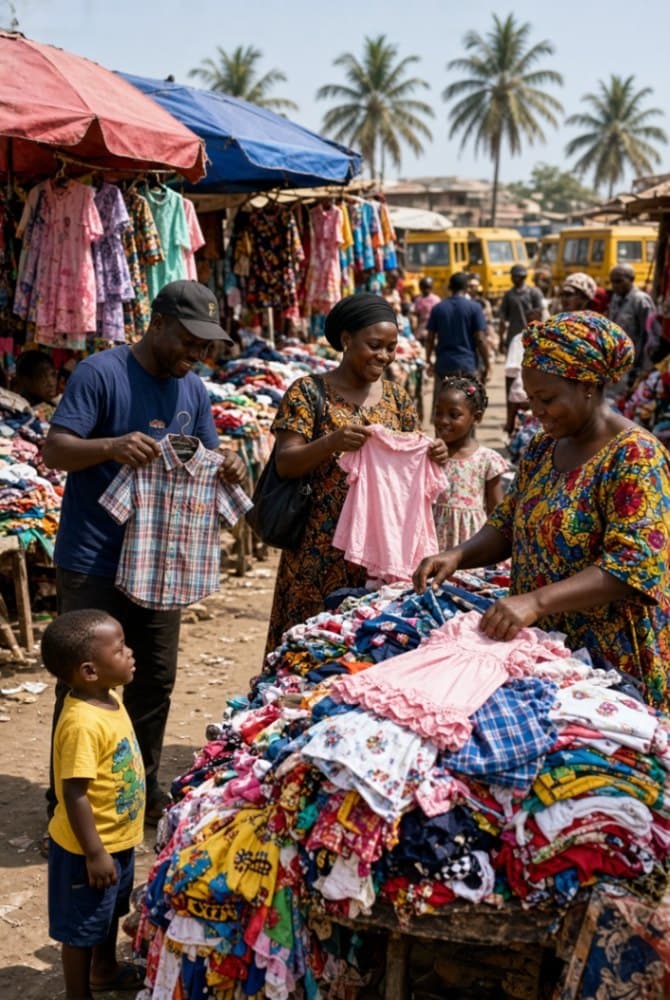
This is especially relevant in Nigerian cities where used clothing moves quickly through markets, WhatsApp groups, and resale platforms. When I repair instead of discard, I extend the life of a garment and get more wear from a single purchase.
If you are listing or searching for secondhand clothes, Threddo’s WhatsApp-first marketplace fits this kind of practical thrift buying because it centers direct contact, clear listings, and safety checks rather than in-app payments. That makes it easier to ask about defects, confirm measurements, and decide whether a garment needs a simple repair before you complete the trade.
Basic tailoring skills turn thrift shopping into a more reliable and value-conscious habit. When you can sew a button, mend a hem, close a seam, and judge whether a piece is repairable, you buy with more confidence and waste less money on easy-to-fix clothing. This article is for educational purposes only and does not constitute professional advice. Always follow safe trading practices and use your own judgement.