T
Loading…
Loading…
Last Updated: September 2026
If you sell anything through WhatsApp, a catalog turns scattered chats into a simple product display that buyers can browse quickly. For Nigerian shops, it works well because customers already use WhatsApp heavily for discovery, questions, and order finalization, especially in fashion and thrift buying.
A WhatsApp Business catalog is useful for shops that sell clothes, shoes, bags, jewellery, hair, and accessories because it keeps product photos, prices, and descriptions in one place. That matters in a market where secondhand and affordable fashion remain popular and where buyers often compare options before making a decision.
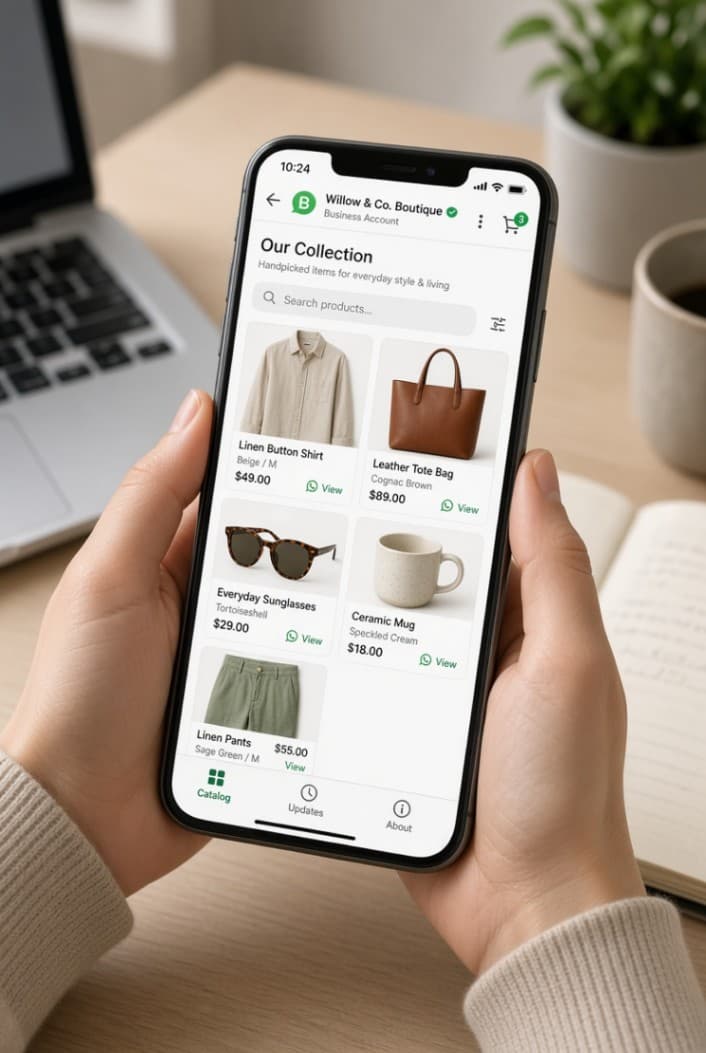
A catalog is a built-in product showcase inside WhatsApp Business. It lets you add item photos, names, prices, descriptions, and links so customers can check your products without scrolling through long chat history. This reduces back-and-forth and makes it easier to answer common questions with one clean product page.
For a small shop, the catalog also works like a mini online storefront. It is especially helpful when you handle many similar items, such as thrift dresses, sneakers, or handbags, because each item can be displayed separately with its own details.
A good catalog fits the way many Nigerian buyers shop: fast, visual, and chat-based. Instead of sending the same product photo repeatedly, you can share one item entry and keep the conversation focused on size, condition, delivery, and payment.
It also supports trust. Clear product names, prices in ₦, and straightforward descriptions make your shop look more organized, which can matter in a market where buyers often worry about misrepresentation, hidden defects, or slow responses.
Before creating your catalog, gather the essentials so the process is smooth.
Have something to give away or sell?
Post your first listing — it only takes a couple of minutes.
For thrift and resale shops, it helps to separate items by category before uploading. A folder for clothing, another for shoes, another for bags, and another for accessories makes the catalog easier to manage.
Install WhatsApp Business and sign in with your shop number. Use a number you can keep active, because buyers often return later to ask about availability or delivery.
Add your business name, logo or profile image, shop description, location, business hours, and contact details. A simple description such as “Preloved clothing, shoes, bags, and accessories in Lagos” helps customers understand what you sell immediately.
Inside WhatsApp Business, open the business tools area and choose Catalog. From there, you can add new items one by one or create collections by category.
Upload clean images that show the item clearly from the front and, where needed, the back, sole, tag, label, or interior. Natural light usually works better than strong indoor light because it shows color and texture more accurately.
Use short, helpful descriptions. Include:
A sample listing for a thrift dress could read: “Blue midi dress, size M, gently used, ₦8,500, Lagos pickup or delivery available.”
Check every listing for spelling, price accuracy, and image quality before sharing it. A catalog with inconsistent pricing or blurry photos can slow down sales because customers may hesitate.
| Field | Example |
|---|---|
| Product name | Black crossbody bag |
| Price | ₦12,000 |
| Condition | Gently used |
| Size | One size |
| Color | Black |
| Notes | Clean interior, adjustable strap |
| Delivery | Lagos pickup or rider delivery |
This format works well because it answers the most common buyer questions in one place. It also reduces repeated chat messages about size, condition, or location.
A catalog sells faster when the photos are clear and honest. Shoppers want to see details, not edited shadows or filters that change the real color of the item.
Use these photo practices:
If you sell preloved items, honesty is part of the listing. A clear image of a small flaw can actually increase trust because buyers can make faster decisions.
A strong description saves time and improves buyer confidence. Keep it short, specific, and easy to scan.
Good descriptions usually mention:
Example: “Brown loafers, size 42, lightly used, clean soles, suitable for office wear, ₦15,000, available for Lagos delivery.”
Avoid vague wording like “nice,” “very fine,” or “newish” without details. Specifics help buyers compare items quickly and reduce misunderstandings.
If your shop carries many items, collections make browsing easier. WhatsApp Business supports grouping products so customers can move through your shop more naturally.
Useful category groups include:
For fashion sellers, seasonal grouping can help too. For example, you can create a “Workwear,” “Weekend Wear,” or “Occasion Pieces” collection if that matches your inventory.
Price clarity matters because many buyers compare value across different sellers before they message. In Nigeria, prices can vary widely depending on brand, condition, location, and delivery cost.
A practical price display often includes:
Example: “₦9,000, delivery not included, Lagos pickup available.”
If you list similar items often, consistent pricing patterns can make your shop easier to understand. For instance, you might keep basic thrift tops in one range, dresses in another, and branded bags in a separate range.
Many shops lose time because the catalog looks active but does not answer basic questions. The most common issues are easy to avoid.
A catalog works best when it behaves like a clean mini-shop, not a photo dump. Buyers scan fast, so simplicity helps.
Safe trading matters in Nigeria because online and chat-based buying can attract scams, fake proof of payment, and misleading listings. Consumer protection in Nigeria is guided by the Federal Competition and Consumer Protection Commission, and general consumer fairness principles apply to truthful product information and transparent transactions.
Practical safety habits include:
If your shop handles higher-value items, a written policy for pickup, inspection, and returns can reduce confusion. That kind of clarity supports trust even when buyers and sellers never meet in person.
Once your catalog is live, keep a routine so it does not become outdated.
This workflow is useful for thrift sellers because inventory changes often. It also helps small shops that manage messages manually and do not want repeated questions taking over the day.
Imagine a Lagos thrift seller with 30 items ready to upload. A practical setup could look like this:
The seller uploads each item with a clear name, condition note, and price in ₦. The catalog then becomes a browsable shop window, while chat is used for sizing, location, and order confirmation. That setup suits the way many Nigerian buyers move between browsing and direct negotiation.
If you also sell secondhand items beyond WhatsApp, a marketplace like Threddo can complement your catalog by giving your products another place to be discovered, while their safety page can reinforce safe-trading habits.
Use this quick list before sharing your catalog link:
A catalog that follows this checklist is easier to browse and easier to trust. It also makes your shop look consistent across different product types.
A WhatsApp Business catalog is one of the simplest ways to organize your shop, display products cleanly, and reduce repeated questions from buyers. For Nigerian sellers, it works especially well because it matches how people already shop: by chatting, comparing photos, and asking for quick details before they pay.
This article is for educational purposes only and does not constitute professional advice. Always follow safe trading practices and use your own judgement.