T
Loading…
Loading…
Last Updated: September 2026
Okrika means secondhand clothing and related thrift items in everyday Nigerian usage, especially clothes, shoes, bags, and accessories sold through resale markets and street vendors. The word is tied to a coastal town in Rivers State that became associated with the movement of used clothes into Nigeria, and it later grew into a national shorthand for thrift fashion.
In Nigeria, “Okrika” refers to previously owned clothing and fashion items sold again at lower prices than brand-new goods. People also use related phrases like “bend down select” and “boskoro” to describe the same thrift-buying culture, especially the act of sorting through items to find a good piece.
The meaning has expanded beyond just clothes. In many markets, “Okrika” can include shoes, bags, jewellery, and even hair accessories, which is why the term now sits at the center of Nigeria’s broader secondhand fashion economy.
The name is commonly linked to Okrika, a town and port area in Rivers State that served as an early entry point for used clothing shipments. As ships carrying secondhand items docked there, the place name gradually became the label Nigerians used for the goods themselves.
This is a familiar pattern in local language use: a place becomes so connected with a product that the place name turns into the product name. Over time, “Okrika” stopped being just a location and became a cultural category for thrift fashion across the country.
Secondhand clothing became more visible in Nigeria during the mid-20th century, when imported used garments began flowing into the country in larger quantities. Research on Nigeria’s textile and clothing sector notes that imports of used secondhand clothing from Europe and the United States increased significantly, which helped widen access to affordable clothing.
The growth of Okrika also reflects changes in consumer needs and the local economy. As new clothing became more expensive for many households, secondhand clothes filled a practical gap by giving people more affordable options that still looked stylish and wearable.
Nigerians still buy Okrika for clear practical reasons. It gives access to clothing at lower prices, offers more variety than many budget new-clothing racks, and often includes durable pieces made from fabrics or cuts that last well.
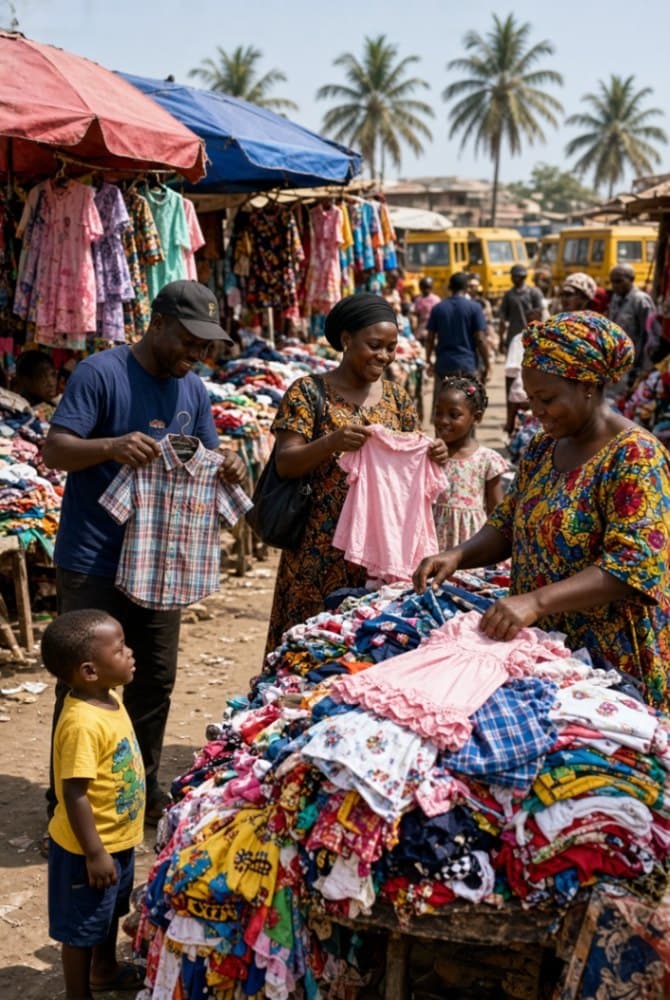
There is also a strong cultural side to it. Thrift shopping has become part of student life, creative fashion, small-business trade, and everyday dressing in cities like Lagos, Port Harcourt, Aba, Kano, and Abuja, where shoppers enjoy the hunt as much as the find.
Have something to give away or sell?
Post your first listing — it only takes a couple of minutes.
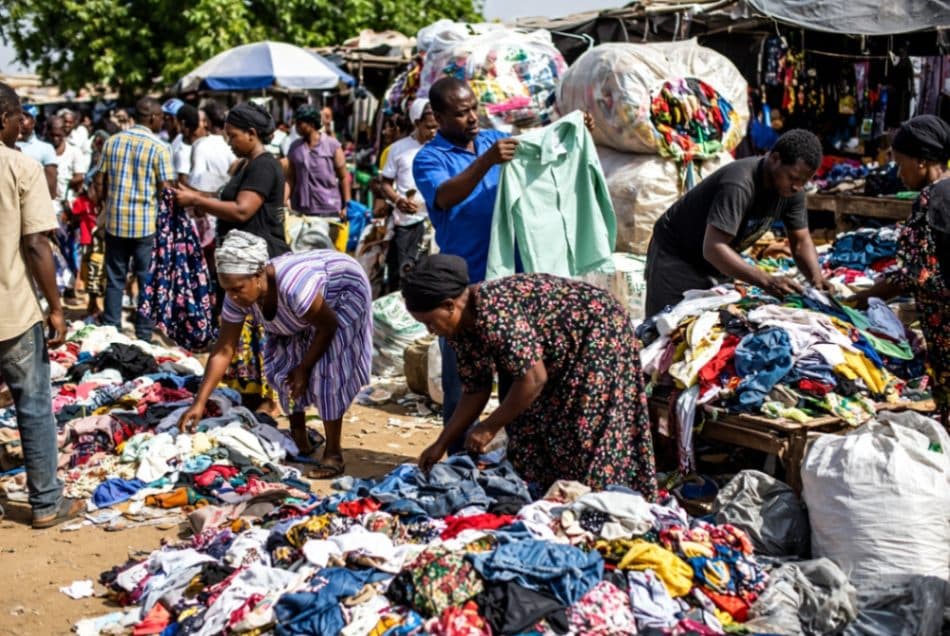
The Okrika market has many forms in Nigeria. Some buyers shop from large physical markets, some buy from roadside sellers, and others now use WhatsApp-based listings and social media resellers who post items by category, size, and condition.
Typical categories include clothing, shoes, bags, jewellery, hair, and accessories. Buyers often see labels like female, male, kids, unisex, and donations, which makes the market easier to browse and helps sellers sort stock by audience.
Prices vary by city, condition, brand, and item type. In major Nigerian thrift markets, basic tees and tops may be priced low, while branded jackets, handbags, or shoes can cost much more depending on quality and demand.
| Item type | Typical thrift range in Nigeria |
|---|---|
| Plain tops / tees | ₦1,500–₦5,000 |
| Trousers / jeans | ₦3,000–₦12,000 |
| Dresses | ₦4,000–₦15,000 |
| Sneakers / casual shoes | ₦5,000–₦20,000 |
| Bags | ₦4,000–₦25,000 |
| Jewellery / accessories | ₦1,000–₦8,000 |
These ranges are practical market estimates, not fixed prices, because thrift pricing changes by season, neighborhood, and item condition.
Okrika is part of circular fashion because it keeps clothing in use longer instead of letting it become waste too quickly. Circular economy research on clothing emphasizes reuse, resale, repair, and recycling as ways to reduce waste and extend product life.
This matters in Nigeria because textile waste adds pressure to landfills, drains, and waterways when clothing is dumped or burned. Reports on circularity in Nigeria note that imported secondhand clothing can also become waste when poor-quality items are not reused properly, which is why sorting and responsible disposal matter.
Secondhand shopping is strongest when the item is checked properly before money changes hands. Under the Federal Competition and Consumer Protection Act, consumers have rights around goods that are defective, unsafe, or not as described, and FCCPC guidance says consumers can return product in limited circumstances when goods are not in good condition or do not meet expected standards.
For online and peer-to-peer thrift deals, the practical idea is simple: confirm condition, ask for clear photos, verify size, and keep communication visible. Threddo’s own safety guidance also encourages reviewing seller ratings and past reviews before committing to a deal.
Good Okrika is not about looking cheap; it is about finding a piece that still has life left in it. A well-made thrift item often has stronger stitching, better fabric weight, and cleaner finishing than many low-cost fast-fashion pieces now in circulation.
A simple example: a secondhand office shirt at ₦3,500 that still has strong collars and a clean cuff line may offer better value than a brand-new shirt at twice the price that loses shape after a few washes. The practical test is wearability, not hype.
Some people still treat Okrika as low-status clothing, but that view does not match how the market works today. Many Nigerians buy thrift items because of quality, fit, and price, not because they cannot afford anything else.
Another common myth is that every used item is unsafe or dirty. In reality, the condition varies widely, and careful inspection, cleaning, and sensible buying habits make a big difference in the final experience.
Threddo.com.ng fits this culture well because it is built for direct, WhatsApp-first secondhand trading in Nigeria, with categories for clothing, shoes, bags, jewellery, hair, and accessories, plus a safety guide that encourages trust through reviews and direct contact. That makes it a useful place to list thrift items or browse local finds without adding extra payment friction.
Okrika means more than “used clothes” in Nigeria; it represents affordability, style hunting, informal trade, and a long-running culture of reuse that still shapes how millions of people dress. Its history is tied to ports, imports, and changing consumer needs, while its future is tied to sustainability, trust, and smarter secondhand shopping.
This article is for educational purposes only and does not constitute professional advice. Always follow safe trading practices and use your own judgement.