
T
Loading…
Loading…
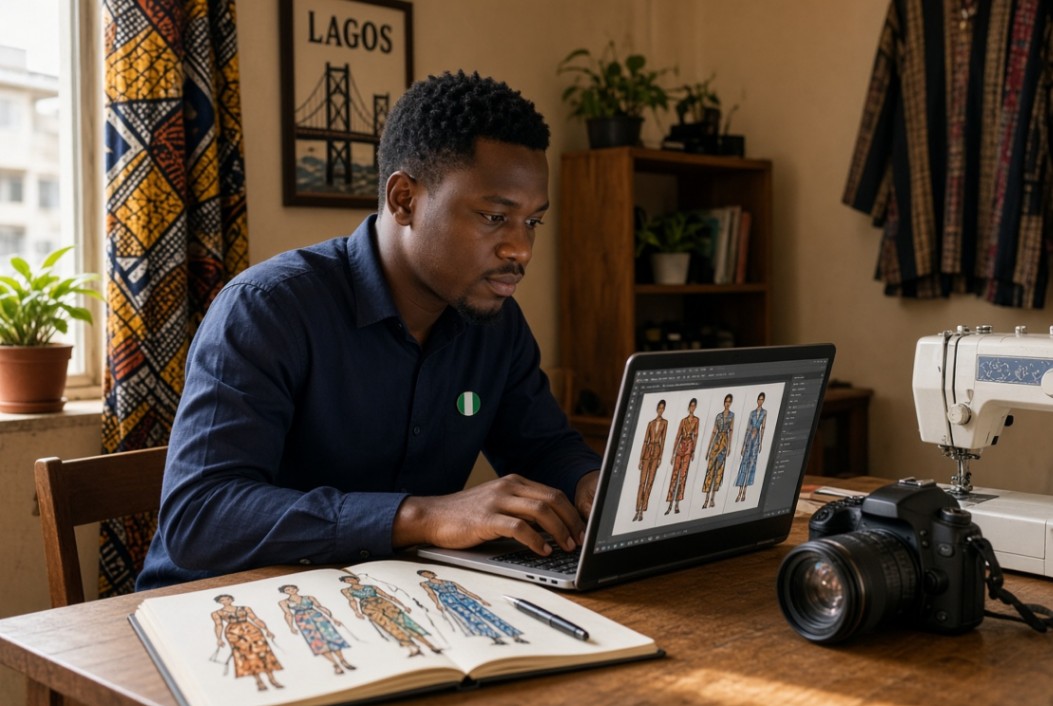
A hobby can become a source of income when you connect a useful activity with a clear customer need. Whether you enjoy thrifting, sewing, photography, styling, baking, writing, hair accessories, makeup content, or digital design, the first step is not buying expensive equipment; it is identifying what people may pay for and testing a small offer. In Nigeria, creative work has opportunities across fashion, design, digital content, film, music, beauty, and cultural products. The Federal Ministry of Art, Culture, Tourism and the Creative Economy data-mapping work identifies fashion, design, digital content, and related creative industries as important areas within the country’s creative economy. Turning a hobby into income does not guarantee immediate earnings. A realistic first target is to create a small product or service, show it to potential customers, record feedback, and improve the offer over several weeks. ## Start With the Hobby You Already Have Your hobby may be valuable because it helps someone save time, find something distinctive, solve a problem, or express an identity. A person who enjoys styling clothes can create outfit boards, assist with wardrobe sorting, or sell curated secondhand pieces. Someone who enjoys photography can offer clear product images for small businesses. Use this simple assessment: | Hobby | Possible paid offer | Likely customer | |---|---|---| | Thrifting | Curated clothing bundles or listing support | Students, young professionals, busy sellers | | Styling | Outfit planning or wardrobe coordination | Event guests, content creators, professionals | | Sewing | Repairs, alterations, custom accessories | Clothing owners, boutiques, students | | Photography | Product photos and social-media images | Fashion sellers, restaurants, small brands | | Writing | Captions, product descriptions, blog articles | Businesses, creators, online sellers | | Graphic design | Flyers, price lists, catalogue graphics | Vendors, event organisers, small businesses | | Jewellery making | Bracelets, waist beads, earrings, gift sets | Individuals, event customers, boutiques | | Hair accessories | Bonnets, scrunchies, clips, headbands | Children, salons, fashion buyers | | Video creation | Short product videos or tutorials | Brands, vendors, creators | | Makeup or beauty content | Tutorials, content production, event support | Creators, salons, beauty businesses | The offer is different from the hobby. “I like fashion” is an interest; “I prepare five affordable outfit combinations from a customer’s existing wardrobe” is a service that can be explained and tested. ## Find a Specific Customer Problem Broad offers are difficult to price because customers may not know exactly what they are receiving. A narrower offer makes the exchange clearer. For example: - Instead of “I sell clothes,” try “I curate affordable office outfits for young professionals.” - Instead of “I make jewellery,” try “I create lightweight matching accessories for small events.” - Instead of “I do photography,” try “I take bright, plain-background product photos for online sellers.” - Instead of “I design,” try “I create WhatsApp status flyers for weekly promotions.” - Instead of “I love hair,” try “I make ready-to-gift hair-accessory sets for children.” Ask five to ten people in your target audience questions such as: 1. What makes this purchase difficult? 2. What alternatives do you currently use? 3. What information would help you decide? 4. What quantity or format feels convenient? 5. What would make the service trustworthy? This is informal market research, not a promise that every response will become a sale. Record repeated complaints and requests because they can reveal a more useful offer. ## Choose Products or Services A hobby can generate income through a physical product, a service, digital content, or a combination. ### Physical Products Examples include: - Curated thrift clothing. - Upcycled denim bags. - Handmade earrings. - Hair clips and headbands. - Personalised gift boxes. - Fabric scrunchies. - Repaired or customised shoes. - Vintage-inspired accessories. The product description needs more than an attractive name. Include material, colour, dimensions, size, condition, care instructions, production time, and delivery details. ### Services Services may require less stock because the buyer pays for your time, skill, or process. Examples include: - Wardrobe sorting. - Clothing repairs. - Product photography. - Caption writing. - Social-media content planning. - Personal shopping or sourcing. - Gift styling. - Basic catalogue creation. A service can begin with one clearly defined package. For example, a product-photography package might include ten edited phone photographs, one background style, and delivery within three days. ### Digital Products Digital products may include: - Printable wardrobe planners. - Styling checklists. - Canva templates. - Beginner sewing patterns. - Caption packs. - Online workshops. - Short guides about clothing care. Do not reuse copyrighted templates, photographs, articles, or branded material without permission. Originality and clear licensing protect both the creator and the buyer. ## Test Before Spending Heavily A small test can reveal whether people understand and value the offer. Create a limited batch or pilot service rather than purchasing large quantities immediately. ### A Simple Test 1. Prepare three to ten units or a small service package. 2. Photograph or demonstrate the offer clearly. 3. State the price, delivery area, turnaround time, and what is included. 4. Show it to a relevant audience. 5. Record questions, objections, enquiries, and completed orders. 6. Adjust the offer based on consistent feedback. For a thrift-focused hobby, a test could involve ten carefully measured items in one category, such as work shirts, children’s clothes, handbags, or casual shoes. For handmade accessories, a test could involve three colour options and two size choices. The aim is to learn which descriptions, designs, sizes, colours, and price points attract serious interest. Likes and comments can indicate attention, but payment or a clearly confirmed order provides stronger evidence of demand. ## Price Your Hobby-Based Offer Pricing involves more than the cost of materials. A basic calculation can include: $ ext{Total cost} = ext{materials} + ext{packaging} + ext{transport} + ext{data} + ext{production time} + ext{other direct costs} $ If a handmade accessory uses ₦1,500 in materials, ₦300 in packaging, ₦500 in transport allocation, and two hours of work valued at ₦1,000 per hour, the direct cost estimate is ₦4,300 before any additional margin or contingency. | Offer type | Example starter scope | Illustrative price range | |---|---|---:| | Five product captions | Descriptions for clothing or accessories | ₦5,000–₦15,000 | | Ten product photographs | Phone photography and basic editing | ₦5,000–₦20,000 | | Three social-media graphics | Promotional flyers or catalogue posts | ₦5,000–₦15,000 | | Wardrobe sorting session | Two-hour in-person or virtual session | ₦10,000–₦30,000 | | Handmade accessory set | Three to five coordinated pieces | ₦5,000–₦25,000 | | Basic clothing repair | Simple zip, button, seam, or hem work | ₦2,000–₦15,000 | | Curated thrift bundle | Three to five related items | ₦10,000–₦50,000 | | Short product video | One edited vertical video | ₦3,000–₦15,000 | These are planning examples, not fixed market rates. Actual prices vary by materials, location, quality, urgency, transport, complexity, and customer expectations. Separate these amounts where relevant: - Product or service price. - Delivery fee. - Packaging fee. - Customisation fee. - Rush-work fee. - Platform or payment charges. - Alteration or revision fee. A transparent price list reduces back-and-forth messages and helps customers compare what each package includes. ## Build Trust Around the Hobby Customers often buy from small creators because they trust the person, process, and presentation. Trust develops through consistent information rather than exaggerated claims. Include: - Clear photos in natural light. - Accurate measurements. - Honest condition descriptions. - A visible location or delivery area. - Processing time. - Care instructions. - A simple exchange or correction policy where applicable. - Testimonials used with permission. - Real examples of completed work. For secondhand fashion, describe flaws such as small stains, loose seams, fading, missing buttons, odour, or sole wear. A buyer can make a better decision when the description is complete. The states that consumer protection includes access to safe goods, fair treatment, and adequate information; its also address transparency in displayed and checkout prices. Clear descriptions and pricing support these principles, although this article is not legal advice. ## Use Content to Show the Process A hobby-based business does not need every post to be a direct sales announcement. Useful content can demonstrate skill and answer common customer questions. ### Content Ideas - Before-and-after repairs. - How an item is measured. - Three ways to style one secondhand shirt. - How to care for handmade jewellery. - Packaging a customer order. - Common mistakes when photographing clothes. - How to identify fabric textures. - A short explanation of your production process. - A comparison of two sizes or colour options. - A customer FAQ. For example, a thrift stylist might publish a short video showing how one black skirt works for a campus outfit, an office look, and a weekend outfit. A product photographer might show the difference between a cluttered background and a plain, well-lit background. Avoid using other people’s images without permission. If customers appear in photographs or videos, request consent before publishing the content. ## Sell Through Practical Channels You can test your offer through channels that match the customer’s habits: - WhatsApp Status and broadcast lists with permission. - Instagram or TikTok demonstrations. - Facebook community groups that permit commercial posts. - University and workplace communities. - Referrals from existing customers. - Pop-up markets and local events. - Direct outreach to complementary businesses. - Peer-to-peer marketplaces. A clothing stylist could collaborate with a tailor, thrift seller, photographer, or jewellery maker. Each person retains a defined responsibility and agrees on referrals or shared costs in writing. ### A Clear Listing Format Use this structure for a product or service post: Upcycled denim mini bag Handmade from cleaned pre-owned denim 22 cm by 16 cm Zip closure, adjustable strap ₦12,000 Lagos Arranged and charged separately Confirm colour, quantity, and delivery location by message For services, replace condition and measurements with scope, turnaround, number of revisions, and information needed from the customer. ## Protect Yourself From Scams The advises people to avoid suspicious links, verify senders directly, protect financial information, and be cautious with online shopping scams. These precautions are relevant when a hobby becomes a peer-to-peer business. Do not share: - Bank PIN. - One-time password. - Card security code. - Full banking password. - Unnecessary identity documents. - Account login details. Warning signs include: - A customer sends a fake payment screenshot. - Someone requests a refund to a different account. - A buyer pressures you to release an item before payment is confirmed. - A person asks you to receive and forward money. - A “client” requires a registration fee before giving work. - The offer promises guaranteed income for little or no work. - A link asks you to log into your bank account. For an in-person exchange, a public location, daytime meeting, clear item details, and a verifiable payment record reduce avoidable misunderstandings. Keep written records of the order, agreed price, delivery arrangement, and messages. ## Formalising a Growing Hobby A hobby does not automatically require immediate formal registration. If the activity becomes regular, involves partners, employs people, supplies organisations, or requires formal invoices, research the relevant structure and requirements. The provides official services for business-name registration and describes itself as Nigeria’s corporate registry. Use the official for current requirements and charges rather than relying on old social-media posts. Other records that can help include: - Sales and expense spreadsheet. - Customer order log. - Supplier contacts. - Delivery receipts. - Inventory list. - Content calendar. - Permission records for photographs and testimonials. - Separate tracking for personal and business money. These records help show whether the hobby is generating revenue, covering costs, or requiring changes to the offer. ## A 30-Day Hobby-to-Income Plan ### Days 1–7: Define the Offer - Select one hobby. - Identify one customer group. - Write down three problems the hobby can help solve. - Choose one product or service. - Estimate materials, time, transport, and packaging costs. ### Days 8–14: Create Samples - Produce three to five examples. - Take clear photographs. - Write accurate descriptions. - Ask trusted people to review the quality and clarity. - Correct errors before public promotion. ### Days 15–21: Test Demand - Publish the offer to a relevant audience. - Contact potential customers respectfully. - Ask questions about price, size, colour, and timing. - Record genuine enquiries and objections. - Avoid large stock purchases until demand is clearer. ### Days 22–30: Improve and Deliver - Complete small confirmed orders carefully. - Track time and direct costs. - Request feedback with permission. - Update the price or package where necessary. - Create a repeatable order and delivery process. ## A Thrift-Based Example Imagine a student in Lagos who enjoys finding good-quality secondhand bags. Instead of listing random items, the student creates a focused offer: clean, photographed, measured bags for students and young professionals. The first test might include six bags: | Item | Purchase or sourcing cost | Cleaning/packaging | Listed price | |---|---:|---:|---:| | Canvas tote | ₦3,000 | ₦500 | ₦6,500 | | Small shoulder bag | ₦4,000 | ₦500 | ₦8,000 This article is for educational purposes only and does not constitute professional advice. Always follow safe trading practices and use your own judgement.
How Far Can ₦5,000 Really Go at a Thrift Market?
10 Thrift Finds Under ₦2,000 You Need to See
How to Recreate a Celebrity Look With Thrift Pieces
Thrift Date Night Outfits That Don’t Look Cheap
Thrift Outfit Ideas for Campus: Stylish School Looks on a Budget
Thrifted Street Style: Outfits Spotted on Lagos Streets
Have something to give away or sell?
Post your first listing — it only takes a couple of minutes. Or browse listings near you.