
T
Loading…
Loading…
Last Updated: October 2026
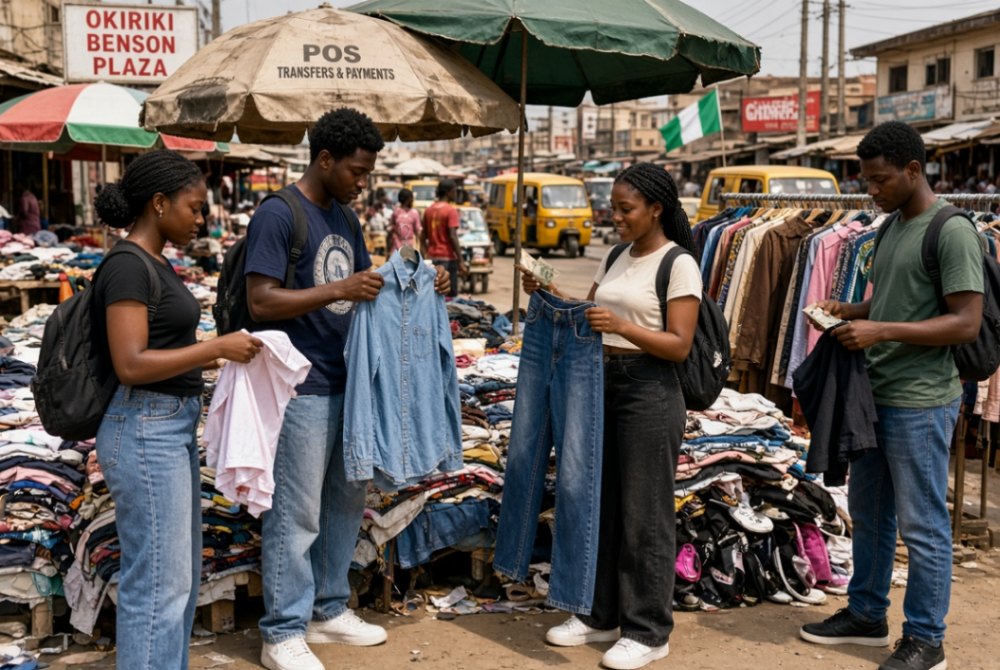
Thrift shopping for students in Nigeria is one of the easiest ways to dress well without stretching a limited budget. With rising living costs and a strong secondhand fashion culture in cities like Lagos, student shoppers are using thrift markets and peer-to-peer listings to find clothing, shoes, bags, and accessories at lower prices than new retail.
What makes thrift shopping practical is not just the lower price; it is the chance to find durable, unique pieces that work for classes, SIWES, church, outings, and project presentations. In Nigeria’s growing secondhand fashion market, affordability and reuse are closely tied to sustainability and circular fashion trends.
Thrift shopping fits student life because it helps you manage clothing needs without buying everything brand new. Many Nigerian students balance transport, feeding, data, and academic costs, so fashion spending usually has to stay controlled.
Here is what thrift shopping often offers in practice:
For many students, thrift shopping also connects to circular economy habits because it keeps clothing in use longer instead of pushing every item into waste. Research on secondhand clothing in Africa notes that the trade is large and increasingly important, even though it also raises broader policy and environmental questions.
Before I buy anything, I check three things: condition, usefulness, and total cost. A cheap item that tears quickly or needs expensive repairs is not really cheap.
A ₦2,500 shirt that needs ₦1,500 in tailoring and ₦1,000 in transport becomes a ₦5,000 purchase very quickly. That is why I always think in full cost, not sticker price.
How Far Can ₦5,000 Really Go at a Thrift Market?
10 Thrift Finds Under ₦2,000 You Need to See
How to Recreate a Celebrity Look With Thrift Pieces
Thrift Date Night Outfits That Don’t Look Cheap
Thrift Outfit Ideas for Campus: Stylish School Looks on a Budget
Thrifted Street Style: Outfits Spotted on Lagos Streets
Have something to give away or sell?
Post your first listing — it only takes a couple of minutes. Or browse listings near you.
Prices vary by market, seller, condition, and city, but these ranges are useful for student planning in Nigeria’s thrift scene.
| Item type | Common thrift range |
|---|---|
| T-shirts | ₦1,500–₦4,000 |
| Shirts/blouses | ₦2,000–₦6,000 |
| Jeans/trousers | ₦3,000–₦10,000 |
| Dresses | ₦2,500–₦8,000 |
| Jackets/hoodies | ₦4,000–₦15,000 |
| Sneakers | ₦5,000–₦20,000 |
| Bags | ₦3,000–₦12,000 |
These ranges are flexible because markets such as Yaba, Katangua, and other open-air thrift hubs often price items based on condition, brand, and demand. Nigerian media coverage has repeatedly shown that many shoppers turn to secondhand markets because new retail prices are too high for student budgets.
For students, thrift shopping is often a mix of offline and online sources. Offline markets give you the chance to inspect items closely, while online listings can save time and help you compare more options.
Each channel has trade-offs. Offline shopping gives you physical inspection, while online shopping depends more on photos, seller communication, and delivery reliability. In Nigeria’s secondhand space, both models are growing because students want convenience and affordability.
Bargaining is part of the thrift experience in many Nigerian markets, but the goal is clarity, not pressure. I start by asking the price, checking the item properly, and comparing it with similar pieces nearby.
In practice, the strongest bargaining tool is information. If you know the regular range for jeans or bags, you can quickly spot when a price is out of line.
A good thrift find is not always expensive, but it usually has strong construction and minimal damage. I check the inside of the garment as carefully as the outside.
For shoes and bags, I also check handles, heel wear, lining, and pressure points. A bag with a broken strap or torn lining can become useless quickly, even if it looks fine in photos.
When you buy from another person, especially online, safety matters as much as price. Nigeria’s consumer protection framework expects fair dealing and truthful information in transactions, and sellers are generally expected to provide accurate descriptions of what they offer. Consumer-facing safety rules also make sense on peer-to-peer platforms where the buyer and seller meet directly.
If a seller gives unclear answers about defects, delivery, or returns, I treat that as a warning sign. Clear communication is often the simplest safety filter.
For a student wardrobe, I focus on items that can be worn often across different settings. This is less about fashion trends and more about cost per wear.
| Item | Why it works |
|---|---|
| Plain shirts | Easy to mix with trousers, skirts, or jeans |
| Neutral shoes | Works for classes, events, and casual outings |
| Denim | Durable and versatile |
| Lightweight jackets | Useful for evening lectures and weather changes |
| Simple bags | Practical for class and everyday use |
This approach helps you build a usable wardrobe gradually instead of spending all at once. It also reduces the chance of buying pieces that sit unused in your wardrobe.
Many budget shoppers lose money because they focus only on the lowest price. A low sticker price can hide damage, poor fit, or extra costs.
Another common mistake is shopping when hungry, rushed, or tired. That is when you are more likely to buy something just because it looks exciting in the moment.
Here is a realistic semester starter budget for a student who wants a few useful pieces without overspending.
| Item | Budget |
|---|---|
| 2 shirts | ₦6,000 |
| 1 pair of jeans | ₦5,000 |
| 1 dress or trouser | ₦4,000 |
| 1 pair of shoes | ₦10,000 |
| 1 bag | ₦6,000 |
| Cleaning/tailoring | ₦4,000 |
Total: ₦35,000
This kind of plan gives a clear limit and helps avoid impulse purchases. The exact number will vary by city and market, but the method stays useful whether you shop in Lagos, Ibadan, Abuja, Port Harcourt, or online.
Thrift shopping becomes easier when you know how to combine pieces. I try to build outfits around colours and basics rather than buying too many statement items.
These combinations work because they are flexible. You can rewear the same pieces in different ways without looking repetitive.
Secondhand fashion is not only about saving money. It also keeps clothing in circulation longer, which is part of broader circular economy thinking. Studies on secondhand clothing in Africa show that the trade is large and interconnected, while also raising debates about waste, imports, and local production.
For students, the practical takeaway is simple: buying used clothing can reduce demand for new items and extend the life of garments that still have value. That makes thrift shopping both financially useful and environmentally relevant.
This is the routine I would use if I were shopping on a tight budget:
The routine sounds basic, but it prevents the most common budget mistakes. It also makes every thrift trip more intentional.
If you are looking for a free, WhatsApp-first way to browse or post secondhand items in Nigeria, a platform like Threddo can fit this habit well because it supports direct contact between buyers and sellers and includes categories for clothing, shoes, bags, jewellery, hair, and accessories.
Thrift shopping for university students in Nigeria works best when you treat it as a budgeting skill, not just a fashion habit. The strongest results usually come from checking quality, understanding real costs, comparing prices, and buying pieces that fit everyday campus life. Secondhand fashion is growing across Nigeria because it answers a real need: affordable clothing that still looks good and lasts long enough for student use.
This article is for educational purposes only and does not constitute professional advice. Always follow safe trading practices and use your own judgement.