
T
Loading…
Loading…
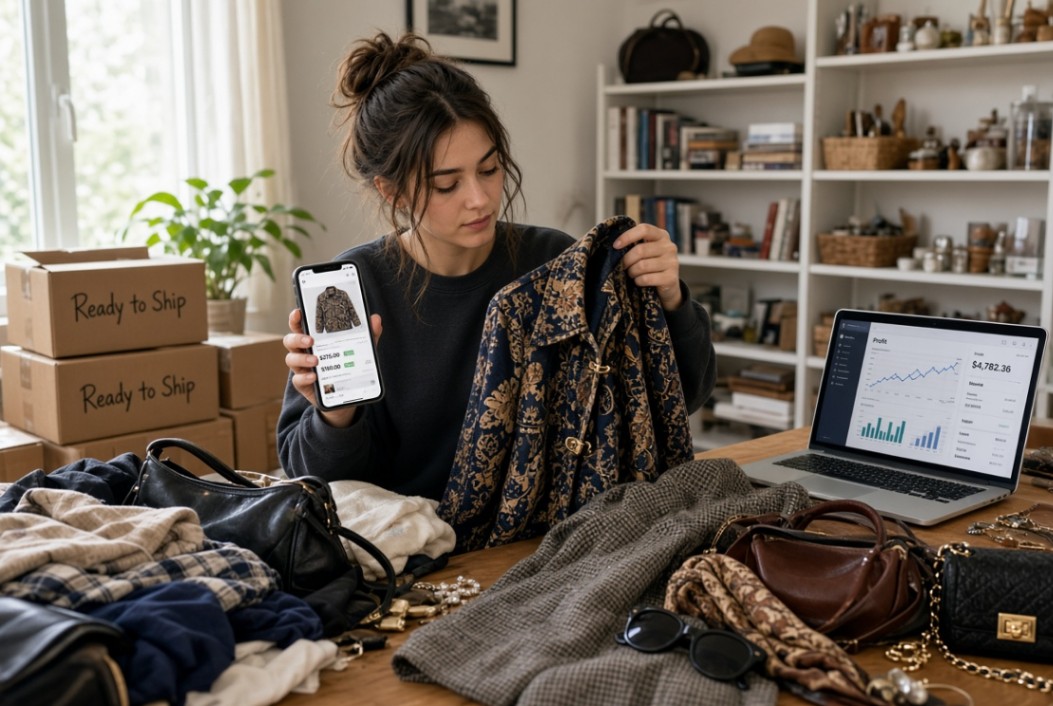
Short answer: yes, thrift reselling can still be profitable in Nigeria in 2026, but the “easy money” phase is over. Profit now comes from smart sourcing, clear grading, realistic pricing in ₦, and safe trading habits that protect both sellers and buyers.
This guide breaks down what profitability looks like on the ground: bale economics, realistic margins, pricing strategies, common risks, and how consumer protection rules (like the FCCP Act) affect online thrift sales.
Last Updated: October 2026
Nigeria’s secondhand clothing (“okrika”) economy is large and deeply embedded in everyday life. Trade data and industry reports show:
Even with policy tensions (including past restrictions on used-clothes imports), informal flows and local bale markets keep supply steady in hubs like Lagos, Abuja, and Port Harcourt.
For resellers, this means demand is real and recurring, but competition is also higher than it was five years ago. Buyers now compare prices across Instagram, WhatsApp, TikTok, and physical markets, so curation and trust matter more than ever.
Profitability starts at the bale. Most small-scale resellers buy one or two bales to test the model before scaling.
| Bale Type | Approx. Cost (₦) | Notes |
|---|---|---|
| Mixed unsorted bale | ₦40,000 – ₦100,000 | Common starting point; quality varies widely. |
| Mid-grade okrika bale | ₦60,000 – ₦120,000 | Often yields 80–150 sellable units; popular for Instagram/WhatsApp sellers. |
| Specialized bale (denim-only, dresses-only, kids-only) | ₦100,000+ |
How Far Can ₦5,000 Really Go at a Thrift Market?
10 Thrift Finds Under ₦2,000 You Need to See
How to Recreate a Celebrity Look With Thrift Pieces
Thrift Date Night Outfits That Don’t Look Cheap
Thrift Outfit Ideas for Campus: Stylish School Looks on a Budget
Thrifted Street Style: Outfits Spotted on Lagos Streets
Have something to give away or sell?
Post your first listing — it only takes a couple of minutes. Or browse listings near you.
| Higher per-kg cost but better sell-through and easier niche marketing. |
A single mid-grade bale can generate ₦200,000–₦500,000 in revenue depending on sorting, grading, and how well items are marketed.
Because a bale contains dozens to hundreds of items, the effective cost per item is low:
This spread is where margins come from, but only if you sort and price by quality.
Margins depend heavily on how you grade and sell items from the bale.
| Tier | Description | Typical Resale Multiple | Example |
|---|---|---|---|
| Premium | Recognizable brands, excellent condition, trending styles | 5–10× per-item bale cost | A top with ₦800 effective cost sells for ₦6,000–₦8,000. |
| Standard | Good condition, no major flaws, everyday wear | 2–4× per-item bale cost | A decent dress at ₦800 cost sells for ₦2,500–₦3,500. |
| Bulk/Discount | Minor flaws, older styles, slower movers | Sold in bundles (e.g., 3 for ₦5,000) to clear stock | Prevents capital from sitting idle. |
Overall, well-curated premium pieces can achieve 200–400% margins or more, while the full bale (including lower-tier items) averages a more moderate but still healthy return.
A sample business case shows a gross margin target around 52% with break-even around Month 4 for a very-low-capital online thrift brand using live sales and strict sorting.
Many new resellers lose money not because thrift is unprofitable, but because of avoidable leaks.
Pricing is where many resellers either capture value or lose sales. In 2026, buyers are more price-sensitive but also willing to pay for quality and trust.
| Category | Typical Online Price Range (₦) | Notes |
|---|---|---|
| Basic tops (okrika, good condition) | ₦1,500 – ₦3,500 | High volume, fast turnover. |
| Dresses (first-grade, styled) | ₦3,500 – ₦8,000 | Depends on brand, fabric, and uniqueness. |
| Jeans (okrika, good fit) | ₦4,000 – ₦8,000 | Often priced lower than new (₦20,000+). |
| Premium/branded pieces | ₦6,000 – ₦15,000+ | For recognizable brands or rare vintage finds. |
| Kids’ clothing (per item) | ₦800 – ₦3,000 | Often sold in bundles for faster turnover. |
To set prices:
Most profitable thrift resellers in Nigeria operate primarily online to avoid rent and overhead.
WhatsApp Business + Status:
Instagram (posts, reels, live sales):
TikTok:
Physical markets (for sourcing and sometimes selling):
For many sellers, a hybrid approach works best: source from physical markets, sell mainly online, and use WhatsApp/Instagram for repeat business.
Profitability isn’t just about margins; it’s also about avoiding disputes, fraud, and reputational damage. Nigeria’s Federal Competition and Consumer Protection Act (FCCPA), 2018 sets clear rules that affect online thrift sales.
Under the FCCPA, consumers (your buyers) have rights including:
For sellers, this means:
If a buyer feels their rights are violated, they can file a complaint with the Federal Competition and Consumer Protection Commission, seek mediation/arbitration, or go to court.
Following these principles doesn’t just keep you compliant; it builds trust, which directly improves repeat sales and profitability.
Use this as a quick self-audit before scaling your thrift reselling:
If most of these are “yes,” your thrift reselling setup is aligned with what’s working in 2026.
Here’s a simplified, realistic scenario based on reported ranges:
Total revenue: ₦430,000
Cost of bale: ₦90,000
Gross profit (before other costs): ₦340,000
Even after accounting for data, packaging, transport, and some dead stock, this leaves room for meaningful profit—especially if you repeat this cycle monthly and refine your sourcing and pricing.
Beyond profit, thrift reselling supports Nigeria’s shift toward circular fashion—keeping clothes in use longer, reducing waste, and lowering the environmental cost of constant new production.
Reports highlight that circular fashion can improve resource efficiency, reduce pollution, and support inclusive economic growth in Nigeria’s textile and fashion sector. For many young Nigerians, buying and selling okrika is both an economic necessity and a sustainability choice.
This cultural and environmental context strengthens the long-term relevance of thrift reselling, even as the market matures.
If you’re looking for a low-friction way to list secondhand clothes, shoes, bags, jewellery, hair, and accessories in Nigeria, platforms like Threddo.com.ng offer a free, WhatsApp-first marketplace where you can post items for sale or donation and connect directly with buyers—no fees or in-app payments.
For safety, always follow basic rules: meet in public places for physical exchanges, verify identities, and never share sensitive financial details beyond what’s needed for payment and delivery. You can read more about safe trading practices on Threddo’s Safety Guide and browse active listings on the Listings page.
Thrift reselling in Nigeria in 2026 is still profitable, but it rewards sellers who treat it like a real business: careful bale selection, tiered pricing, honest listings, and strong safety habits. The market is large and growing, demand is steady, and the tools to sell online are more accessible than ever.
This article is for educational purposes only and does not constitute professional advice. Always follow safe trading practices and use your own judgement.