T
Loading…
Loading…
Last Updated: September 2026
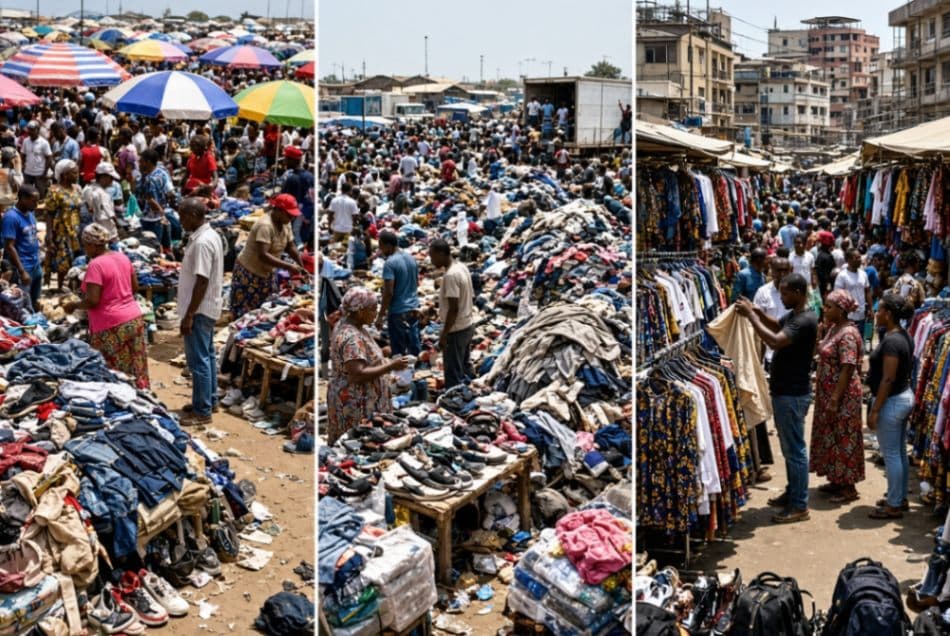
Thrift shopping in Abuja often means heading to open markets where second-hand clothes, shoes, bags and household items change hands at lower prices than new boutique stock. Three locations that come up repeatedly are Karmo (also called Karimo), Dei-Dei and Utako. Each has a different character, so knowing what to expect helps you match the market to the items you want.
Abuja’s thrift scene is spread out. Karmo is widely known for volume of second-hand clothing (okrika or bend-down select). Dei-Dei is better known for building materials and bulk household goods, with some clothing and accessories appearing on pedestrian bridges and local shops. Utako combines a general market with the Panteka second-hand section inside the motor park area, where used furniture, appliances and mixed goods are common.
Under the Federal Competition and Consumer Protection Act, sellers of used or reconditioned goods are expected to disclose that status clearly, and buyers have the right to examine open-stock items before paying. Prices should also be clear. These rules apply whether you are in a busy open market or a smaller stall.
| Feature | Karmo / Karimo | Dei-Dei | Utako (incl. Panteka) |
|---|---|---|---|
| Main thrift strength | Clothing, shoes, bags, accessories | Mixed clothing on bridges + household | Second-hand furniture, appliances, some clothing |
| Typical market days | Tuesdays & Fridays (Tuesday busiest) | Daily commercial activity | Daily; Panteka continuous |
| Atmosphere | Crowded open market, high volume | Busy construction/household hub | General market + scrap/second-hand zone |
| Approx. clothing price examples | T-shirts ₦500–₦2,500; jeans ₦2,500–₦7,000 | Variable street prices, often lower bulk | Boutique-style thrift nearby + mixed |
| Best for | Fashion thrift hunters & resellers | Household + occasional clothing | Used home items + occasional fashion |
Prices are market estimates only and shift with condition, grade and day.
Have something to give away or sell?
Post your first listing — it only takes a couple of minutes.
Karmo Market sits along the Airport Road axis near Life Camp / Kado Fish Market area. It is repeatedly described as one of Abuja’s busiest spots for second-hand clothes. Traders open mainly on Tuesdays and Fridays, with Tuesday usually carrying the heaviest stock and foot traffic.
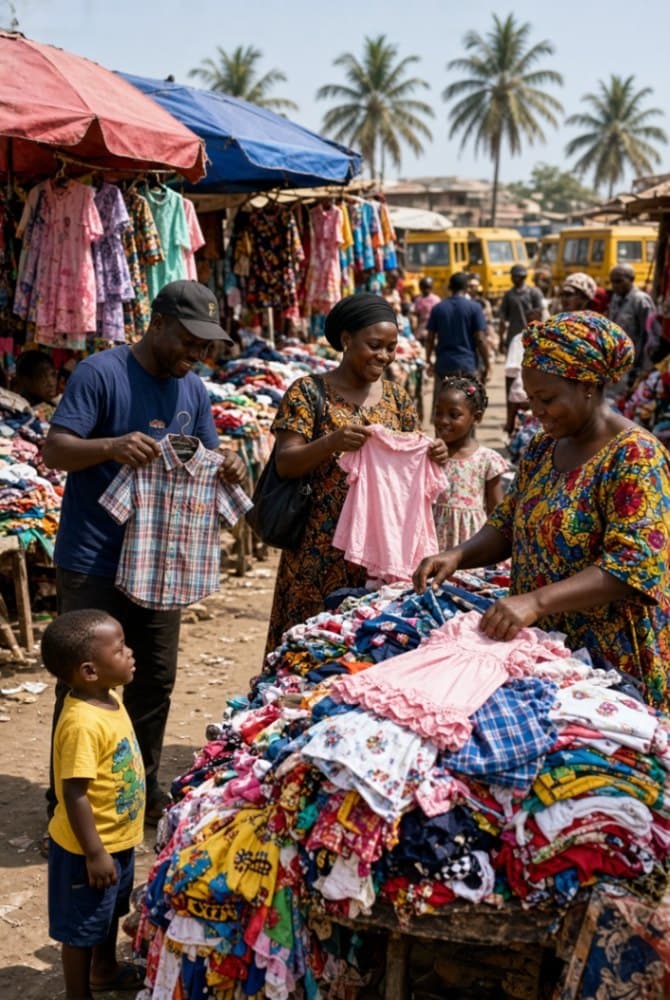
You will find mixed bales opened into individual pieces—shirts, trousers, jackets, children’s wear, shoes and bags. Many shoppers treat it as a “treasure hunt” market: the same type of item can appear in very different conditions a few stalls apart. Early arrival helps because popular sizes and styles move quickly.
Practical inspection points I use here:
Bargaining is normal. Start from a clear budget rather than the first price you hear. Carry small notes so payment is quicker in the crowd. Parking can be tight on peak days, so many people prefer public transport or drop-off.
Dei-Dei is best known as Abuja’s major building-materials and furniture centre. The large market complex handles timber, tiles, plumbing, electrical fittings and bulk household items. Clothing is not the primary focus, but street traders and pedestrian-bridge stalls regularly display clothes, shoes, jewellery and small accessories, often at lower prices than formal shops because space costs are minimal.
You will also find small thrift-oriented boutiques and collections in the wider Dei-Dei / Saburi area. The atmosphere is commercial and functional rather than fashion-focused. If your list includes both a few clothing pieces and household goods, Dei-Dei can reduce the number of separate trips.
Because the area is busy with trucks and construction traffic, keep valuables secure and confirm prices before handing over cash. Second-hand status should still be disclosed under consumer-protection rules.
Utako Market itself is a general trading area with produce, textiles and everyday goods. The more distinctive second-hand section is Panteka, located inside the Utako motor park / park area. Panteka has operated for years as a place for fairly used building materials, scrap, furniture, appliances, glass and mixed household items. Buyers come for lower prices on items that would cost more new.
Clothing is available in the wider Utako zone—both open-market pieces and dedicated thrift shops or plazas opposite the market. Some organised thrift stores maintain branches here. The feel is more mixed: one section for produce and daily needs, another for used goods that require careful checking of function and condition.
For appliances or furniture, test switches, drawers, seams and structural soundness on the spot. For clothing, the same fabric and hardware checks used at Karmo apply. Ask about any known defects before paying.
Regardless of location, a consistent routine reduces surprises:
Nigerian consumer-rights guidance supports the right to examine goods displayed from open stock and requires clear disclosure of used or reconditioned status.
Crowded markets reward organisation. Keep cash in small bundles, avoid displaying large amounts, and stay aware of your surroundings. Confirm the price before money changes hands. If a seller will not allow inspection or gives vague answers about condition, that itself is useful information.
For electronic or mechanical second-hand items (more common at Panteka), testing on site is especially important because return options in open markets are limited once you leave.
Many Abuja shoppers combine trips or visit more than one market on different days. Setting a price ceiling for each category before you arrive keeps spending controlled.
If you prefer to list or browse second-hand clothes, shoes, bags, jewellery, hair and accessories through free WhatsApp-based contact rather than only physical markets, Threddo.com.ng offers direct buyer-seller connection across Nigeria without platform fees. It can sit alongside market visits when you want to compare local options or sell pieces you no longer need.
Karmo (Karimo) leads for clothing volume and variety, Dei-Dei serves household needs with secondary clothing options, and Utako / Panteka covers broader second-hand goods including furniture and appliances. Successful thrift shopping in any of them rests on inspection, clear pricing and patience rather than rushing. Nigerian consumer-protection rules emphasise disclosure of second-hand status and the chance to examine open-stock items before purchase.
This article is for educational purposes only and does not constitute professional advice. Always follow safe trading practices and use your own judgement.