T
Loading…
Loading…
Last Updated: September 2026
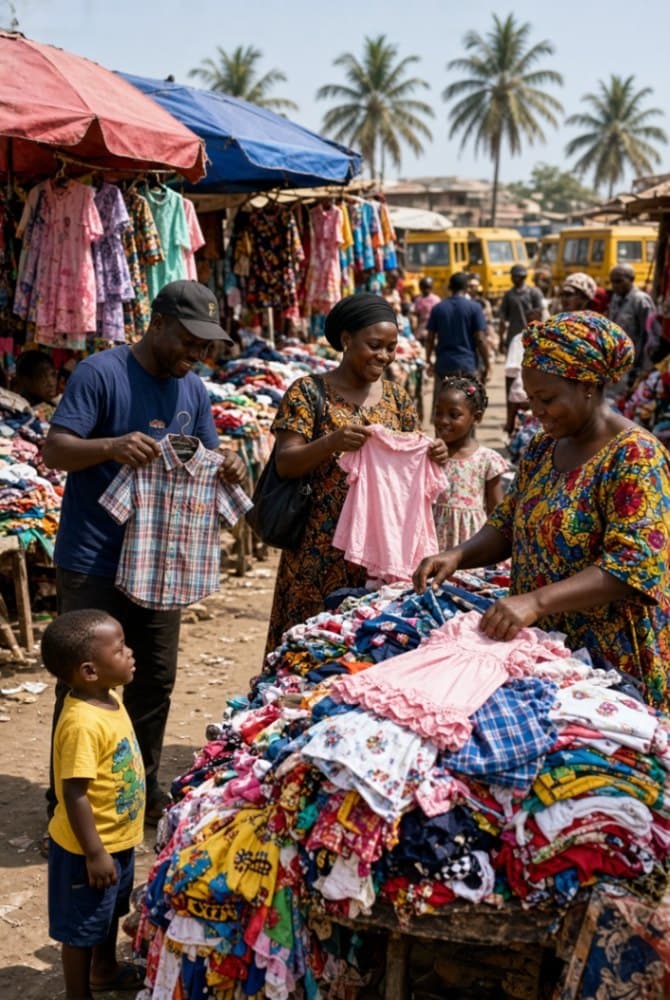
Thrifting denim jeans is one of the easiest ways to find durable, affordable, and stylish pieces without paying full retail price. In Nigeria, secondhand fashion sits inside a wider circular-fashion market where affordability, uniqueness, and reuse matter, even as researchers note that the global second-hand clothing trade also carries environmental and industry challenges.
Denim is a useful thrift category because it often ages better than many lightweight fabrics, and a good pair can stay in rotation for years if the material and stitching are sound. Studies on pre-owned clothing also note that secondhand shopping can reduce spending compared with buying new, while supporting reuse-based consumption.
For Nigerian shoppers, denim is especially practical because you can style it for school, casual workdays, church casuals, or weekend outings with simple tops and sneakers. That makes it a strong category for people looking for value, not just trend appeal.
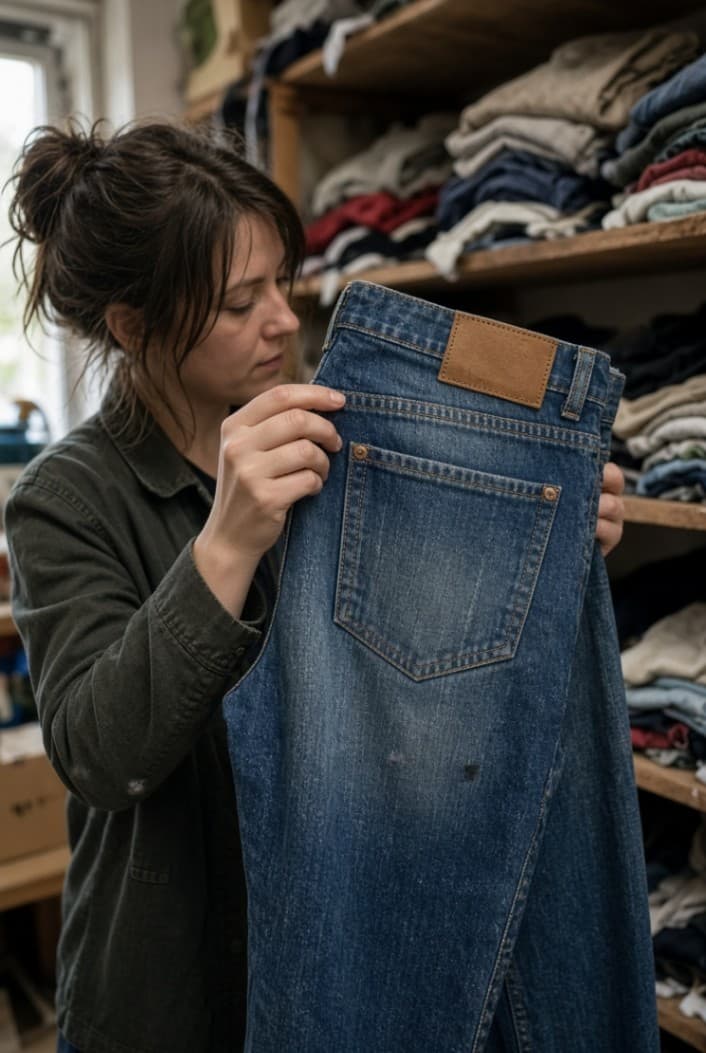
When I inspect thrift denim, I start with the parts that reveal durability fast: fabric weight, seams, zips, buttons, and the condition of the crotch and knees. These areas tell you more than the brand name or the wash color.
Hold the jeans and feel whether the denim has body. Thin denim can look good on the hanger but lose shape quickly after a few wears and washes.
Look for:
Strong stitching is one of the clearest quality signs. Turn the jeans inside out and inspect the seams, especially around the inner thighs, pockets, and waistband.
Check for:
Hardware matters because small failures can ruin an otherwise good pair. A broken zip or missing button can cost extra money later, and that changes the value of the thrift find.
Have something to give away or sell?
Post your first listing — it only takes a couple of minutes.
Test:
Denim fit is not only about size label. Different brands cut jeans differently, and thrift shopping gives you a better result when you focus on how the jeans sit on your body.
Check the waist first, because this is hard to change without tailoring. Then look at rise, which affects comfort and how the jeans sit when you move or sit down.
Common fit checks:
A pair can fit at the waist and still feel tight across the thighs or seat. Walk, squat slightly, and sit if the seller allows it, because denim that feels fine while standing can become uncomfortable during normal use.
Leg shape changes the whole look of denim. Straight-leg, slim, bootcut, and wide-leg jeans all create different silhouettes, so the goal is not only size but proportion.
Stretch denim can feel more comfortable, but too much stretch may lose shape faster. Non-stretch denim usually lasts longer in form, while stretch blends give more movement for daily wear.
Some wear is normal in secondhand denim, but certain damage patterns lower value quickly.
| What to inspect | What it tells you | Good sign | Weak sign |
|---|---|---|---|
| Fabric weight | Durability and structure | Dense, even denim | Thin or floppy cloth |
| Stitching | Long-term wear | Tight, neat seams | Loose or uneven threads |
| Inner thighs | Friction damage | Smooth, intact fabric | Thinning or holes |
| Waistband | Fit stability | Firm and shaped | Warped or stretched out |
| Zip/button | Function | Opens and closes cleanly | Sticks, bends, or breaks |
| Pockets | Everyday strength | Reinforced edges | Torn lining or loose corners |
| Wash color | Visual condition | Even fading | Patchy bleaching or stains |
The wash can tell you a lot about how the denim was used. Light fading at the thighs, knees, and seams is normal, especially on older jeans. Patchy bleaching, uneven dark spots, or sharp color breaks can point to chemical damage or poor laundering.
Popular denim finishes you may see:
For everyday thrift use, dark and medium washes often give the most styling flexibility.
Brand name can help, but it does not replace inspection. Some denim labels run small, others run large, and some thrift pieces may have older sizing systems that differ from current retail sizing.
Instead of trusting the label alone:
Thrift denim prices vary by city, condition, cut, and seller type. In many Nigerian markets and online thrift spaces, a simple used pair may cost far less than new retail denim, while premium labels or near-new condition push prices higher. Market studies on pre-owned clothing also show that secondhand shopping often offers meaningful savings compared with buying new.
| Denim type | Common condition | Typical thrift range |
|---|---|---|
| Basic jeans | Visible wear, good structure | ₦3,000–₦8,000 |
| Branded jeans | Good condition, cleaner finish | ₦8,000–₦18,000 |
| Premium denim | Strong brand, better fabric | ₦15,000–₦35,000+ |
| Distressed/vintage denim | Unique wash or rare fit | ₦6,000–₦20,000 |
These ranges can shift by location, seller, and season, so condition matters as much as brand.
A simple fitting routine helps reduce regret. I use a quick, practical check that takes less than two minutes.
This method is useful because it combines appearance, structure, and wear points in one pass.
Secondhand shopping works best when you treat it like a trust-based transaction. Nigeria’s consumer-protection environment places emphasis on fair dealing, accurate product description, and freedom from misleading information, while practical safety also depends on the platform rules you follow.
In Nigeria, it also helps to keep transactions simple and direct, especially where the seller and buyer are not meeting in person.
A good thrift pair can work across multiple looks, which increases value per wear. Denim is one of the few clothing categories that can shift between casual and semi-smart styling with very small changes.
The styling goal is usually balance: if the jeans are relaxed, keep the top clean; if the jeans are fitted, you can add volume elsewhere.
Some denim mistakes show up often in secondhand buying, and avoiding them saves both money and disappointment.
Researchers on circular fashion note that second-hand markets do not automatically create a perfectly circular system; they still depend on thoughtful sorting, quality control, and resale practices.
| Situation | What it means | What to do |
|---|---|---|
| Good fabric, weak zip | Repairable issue | Price it lower in your mind |
| Great fit, small stain | Cosmetic concern | Check whether stain is visible in daylight |
| Nice wash, thin thighs | Wear risk | Reconsider |
| Strong seams, wrong size | Fit problem | Skip unless tailoring is realistic |
| Clean overall, fair price | Strong find | Compare with other listings before paying |
If you are listing denim or looking for secondhand jeans in Nigeria, Threddo’s WhatsApp-first setup makes it easy to post clear photos, add measurements, and keep buyer-seller contact direct through a simple listing flow. That kind of format works well for denim because condition, fit, and close-up details matter more than a generic size tag; see the platform’s safety tips and listings page for the basics of clear posting and safer communication.
Thrift denim works best when you inspect the fabric, seams, hardware, fit, and wear points before paying. When you combine those checks with clear measurements and careful communication, you improve the odds of finding jeans that look good, feel comfortable, and last longer. This article is for educational purposes only and does not constitute professional advice. Always follow safe trading practices and use your own judgement.