T
Loading…
Loading…
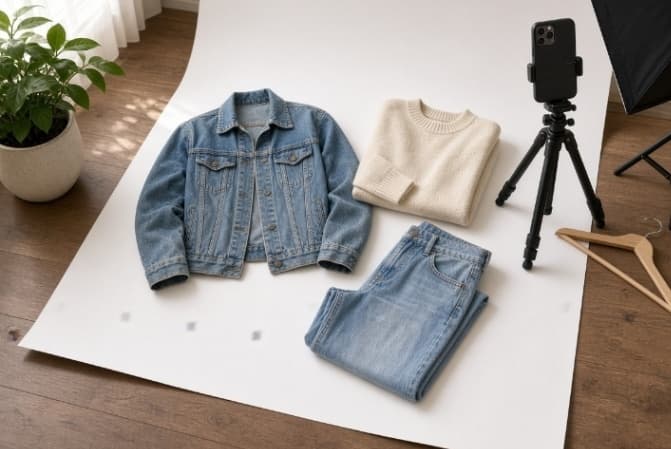
Good photos help buyers understand the colour, shape, size, fabric and condition of thrift clothes before they send a message. You do not need a studio or expensive camera: a clean background, natural light and a consistent phone photography routine can make a ₦3,000 top or ₦25,000 dress look clear and trustworthy.
For secondhand clothing, the purpose of a photo is not to make an item look new. It is to represent the item accurately so buyers can decide with fewer questions, misunderstandings and complaints.
A well-prepared garment photographs more clearly than one that is wrinkled, dusty or covered in lint. Before taking pictures, inspect the item from the collar to the hem and note anything a buyer may want to know.
Use this preparation routine:
For delicate fabrics, test heat on an inconspicuous area first. A clean garment does not mean a flawless garment, so preparation and honest condition reporting need to work together.
| Area | Details to check |
|---|---|
| Neck and collar | Discolouration, stretching, makeup marks |
| Armpits | Sweat marks, fading, fabric wear |
| Sleeves and cuffs | Fraying, stains, loose threads |
| Front and back | Holes, pulls, fading, printing damage |
| Zips and buttons | Missing, broken or difficult to close |
| Hem and seams | Loose stitching, shortening, repairs |
| Shoes and bags | Scuffs, peeling, odour, worn soles or handles |
The Federal Competition and Consumer Protection Commission explains that product information should be clear and understandable, and that sellers should disclose material facts and prices. The Federal Competition and Consumer Protection Act also addresses disclosure of secondhand or used goods, making accurate descriptions particularly relevant when listing pre-owned fashion.
Have something to give away or sell?
Post your first listing — it only takes a couple of minutes.
Light is one of the biggest differences between a dull listing and a clear one. A large window can provide enough light for phone photos, especially when the garment is placed nearby but not in direct sunlight.
Position the clothes:
Direct sunlight can create hard shadows and make black, white and brightly coloured clothes appear different from their actual shades. A shaded veranda, bright room or covered outdoor area can work when indoor lighting is weak.
In many Nigerian homes, useful locations include:
Avoid placing the garment with the window directly behind it. That position can leave the clothes dark while the background becomes overly bright.
| Available item | Practical use |
|---|---|
| Large window | Main natural light source |
| White bedsheet | Plain background or light reflector |
| White cardboard | Bounces light into dark areas |
| Ring light | Extra light when shooting at night |
| Table lamp | Side light, preferably softened with distance |
| Clean wall | Simple background for hanging clothes |
Keep electrical equipment away from water, wet floors and crowded walkways. If using a ring light, reduce its brightness when the fabric begins to look shiny or washed out.
A background helps buyers focus on the item. White, cream, light grey, pale blue or another quiet colour usually works well, but the background does not need to be expensive or perfectly white.
Remove:
A plain background is useful for a dress, shirt, trousers or jacket. For shoes and bags, a clean floor, table or shelf can provide enough contrast.
Do not edit the background so heavily that the garment’s shape or colour changes. A buyer needs to see the item as it is, not as a digitally altered version.
A listing with only one image leaves many questions unanswered. A small, consistent set of photos gives buyers a fuller view without requiring professional equipment.
For most thrift clothing listings, take these photos:
Some resale photography guides recommend a front image, back image, label shot, fabric detail and flaw photo as a basic set.
| Item | Useful images |
|---|---|
| T-shirt or top | Front, back, label, fabric, neckline, flaws |
| Trousers or jeans | Front, back, waist tag, zip, hem, flaws |
| Dress | Front, back, side or three-quarter, label, fabric, flaws |
| Jacket or blazer | Front, back, inside lining, label, buttons, flaws |
| Shoes | Pair together, each side, soles, size marking, flaws |
| Handbag | Front, back, inside, base, strap, logo, flaws |
| Jewellery | Full piece, clasp, close-up, scale reference, flaws |
A measurement photo can be especially useful when thrift clothing has a missing tag, a changed fit, international sizing or signs of alteration. Photograph the tape clearly and also type the measurements in the description.
Colour is one of the main reasons buyers ask follow-up questions. Phone cameras and indoor bulbs can shift colours, particularly for white, cream, beige, green, red and black garments.
For more accurate colour:
Do not rely on beauty filters, strong HDR effects or automatic background replacement. These can brighten fabric, smooth texture or alter colour in ways that create unrealistic expectations.
If the actual colour sits between two common descriptions, use both: “deep wine red,” “cream rather than bright white,” or “washed black.” A short note can prevent a long exchange with a buyer.
Showing flaws does not automatically make an item unattractive. It gives buyers information about condition and allows them to judge whether the price fits the garment.
Take a close-up of each noticeable issue and add a simple explanation:
Place the flaw photo beside a full view when possible. A close-up alone may not show where the damage is located.
Avoid hiding marks with crops, stickers, heavy shadows or filters. Clear disclosures support the principle that buyers receive understandable information about what is being offered.
Different presentation methods suit different garments. The choice depends on the item’s shape, fabric and available space.
| Method | Works well for | Watch out for |
|---|---|---|
| Hanger | Shirts, dresses, jackets and kaftans | Twisted shoulders or hidden side seams |
| Flat lay | T-shirts, jeans, knitwear and scarves | Uneven spreading and distorted proportions |
| Mannequin | Structured dresses, jackets and coordinated outfits | Overstretching fabric |
| Model | Showing fit and styling | Privacy, consent and accurate size disclosure |
| Table or shoe stand | Shoes, bags and accessories | Distracting objects and poor scale |
If a person models the garment, avoid presenting the model’s body as proof of exact fit. Include the garment’s stated size and actual measurements where possible.
For modesty and privacy, the model can wear the garment over suitable underlayers, crop the frame above the face or use a hanger and flat lay instead. Do not include another person’s face, home address, school document or private information in the background.
Hold the phone level with the garment for a natural view. Tilting the phone upward or downward can make trousers look shorter, shoulders look wider or hems appear uneven.
For full-body clothing photos:
For flat lays, stand directly above the garment. Make sure the item is fully spread, with sleeves, legs and straps arranged naturally.
Use the phone’s grid lines if available. They help keep the wall, hanger and garment aligned.
The first image often determines whether someone opens the listing. Use the clearest full view as the cover photo rather than a label, folded pile or close-up of a flaw.
A strong first photo normally has:
A close-up of the fabric can be the second or third image, while the cover image needs to identify the item immediately.
For example, a first photo of a navy midi dress can show its full front on a hanger against a bright plain wall. The next images can show the back, inside label, waist seam, fabric texture and a small mark near the hem.
Basic editing can improve visibility, but it should not change the product.
Reasonable adjustments include:
Avoid:
After editing, compare the image with the real garment under the same light. If the photo looks noticeably brighter, darker or more saturated than the item, reduce the adjustment.
Photos work together with the written details. A buyer may still hesitate if the listing does not include size, condition, location and price.
A useful description includes:
The FCCPC states that prices and material product information should be disclosed clearly, and that consumers may request written transaction records where applicable. For peer-to-peer sales, keeping chat records, agreed prices and delivery details can provide a useful record of what both parties understood.
Photos do not determine a price by themselves, but they influence how easily buyers can assess condition and value. The ranges below are examples for planning a listing presentation, not fixed Nigerian market prices.
| Listing example | Photo details to include | Example asking price |
|---|---|---|
| Pre-owned cotton top | Front, back, tag, fabric and collar | ₦2,500–₦6,000 |
| Gently used jeans | Front, back, waist, zip, hem and measurements | ₦6,000–₦15,000 |
| Occasion dress | Full front, back, lining, label and close-up | ₦10,000–₦35,000 |
| Used sneakers | Both sides, soles, size marking and wear | ₦8,000–₦30,000 |
| Leather or faux-leather bag | Front, inside, base, strap and peeling | ₦5,000–₦25,000 |
The same item can require different photos depending on its condition. A clean, lightly worn dress needs evidence of fabric, lining and label, while heavily used sneakers need detailed sole and upper photos.
Dark photos hide stains, fading and fabric texture. Move closer to a window, use a brighter room or photograph during daylight.
Flash can create shiny patches on satin, leather, patent shoes and synthetic fabrics. It can also produce hard shadows behind a hanger.
A folded garment may conceal its shape, length and condition. Use a full view for the main photo and reserve folded images for extra detail.
Buyers need to see the complete garment. A cropped hem makes it difficult to judge length, flare, taper or damage.
A styled outfit can demonstrate how a piece may be worn, but it should not replace a clear product view. Include an unstyled front and back image as well.
When a listing says only “very neat” but the images conceal peeling, stains or loose seams, buyer confidence can fall after delivery. Photograph the issue and describe it plainly.
A repeatable process reduces the time needed for each listing:
If you are posting on Threddo, ensure you have cleared your background and taken at least one full-length shot to help your item get noticed by other community members.
Conclusion: This article is for educational purposes only and does not constitute professional advice. Always follow safe trading practices and use your own judgement.