T
Loading…
Loading…
Last Updated: September 2026
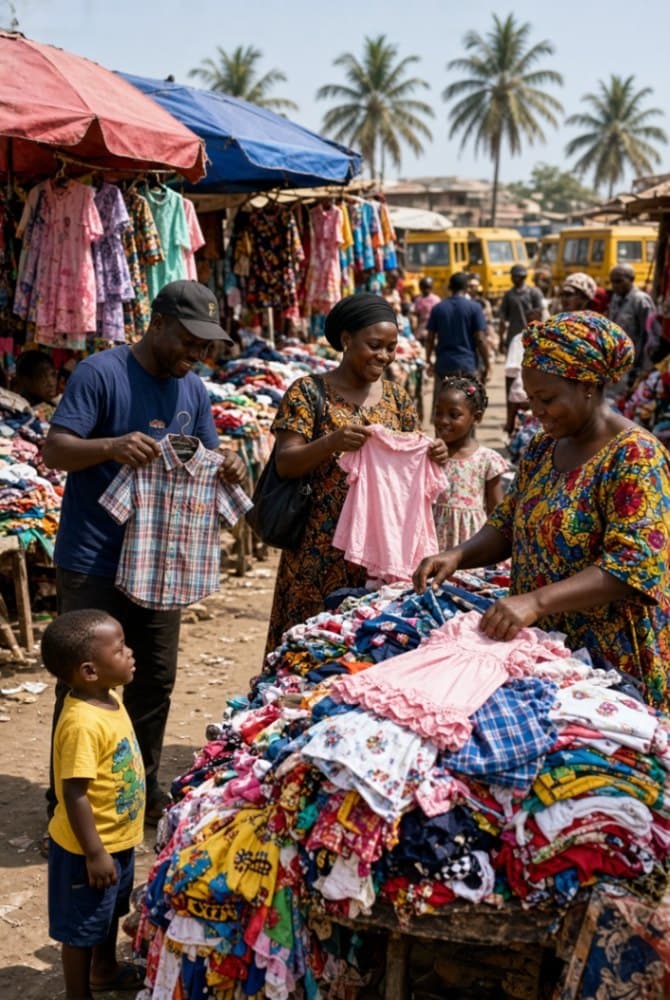
A thrift capsule wardrobe gives you a smaller, more versatile closet made from secondhand pieces that mix easily, last longer, and cost less than buying everything new. In Nigeria, this approach works well because thrift shopping gives access to office wear, casual basics, shoes, bags, and accessories at a fraction of retail cost, while also extending the life of clothing already in circulation.
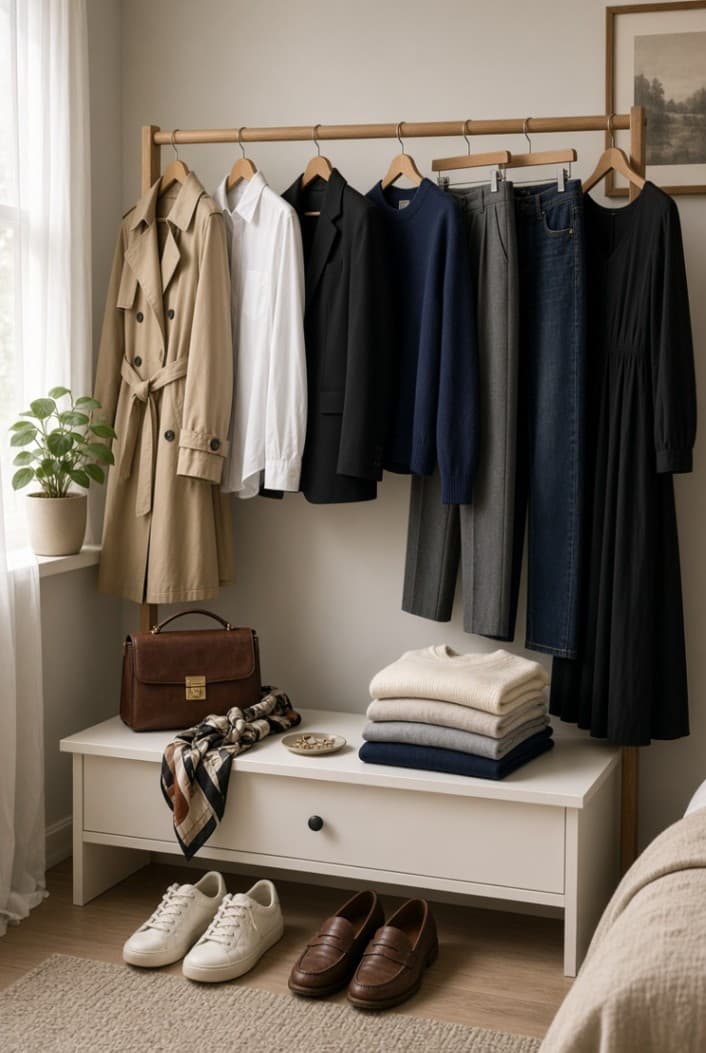
A capsule wardrobe is a small collection of clothing pieces that work together across many outfits. When I build one from thrift, I focus on garments that can be repeated without looking repetitive: neutral tops, structured trousers, one or two dresses, a jacket, clean shoes, and a dependable bag. The secondhand market supports this approach because pre-owned clothing often gives you higher fabric quality and more variety than low-cost fast fashion, while also keeping clothing in use for longer.
The useful mindset is simple: fewer items, more combinations. Instead of buying many single-purpose pieces, I look for clothes that can move from weekday to weekend, casual to semi-formal, and warm-weather to rainy-day wear. That is where thrift becomes practical, especially for students and working adults managing a budget in naira.
Thrift fits capsule dressing because the goal of both is efficiency. A capsule wardrobe reduces clutter, and thrift reduces cost while giving you access to better fabrics, unique cuts, and older garments that were made with stronger stitching in many cases. Research on secondhand clothing trade also shows that the market plays a significant role in clothing access across Africa, even though it raises sustainability questions around waste and policy balance.
There is also a cost advantage. A used cotton shirt, denim trouser, leather belt, or office skirt can often cost much less than a brand-new equivalent in Nigerian retail settings. That makes it easier to allocate your budget toward tailoring, repairs, and good storage, which improves the final result of the wardrobe.
Before shopping, I find it useful to define the life you are dressing for. A capsule wardrobe built from thrift works better when it matches your actual routine: lectures, office work, church, informal outings, or a mostly remote schedule. If your week includes school, commuting, and occasional events, your wardrobe needs layers, comfortable shoes, and adaptable pieces more than trendy statement items.
Have something to give away or sell?
Post your first listing — it only takes a couple of minutes.
Use this quick planning table:
| Wardrobe need | What to look for in thrift |
|---|---|
| School or campus wear | T-shirts, oversized shirts, jeans, sneakers, crossbody bag |
| Office or formal wear | Neutral blouses, trousers, midi skirts, blazers, loafers |
| Everyday casual wear | Polo shirts, denim, cotton dresses, clean sandals |
| Events or worship | Simple dresses, wraps, smart shoes, accessory pieces |
| Rainy-season layering | Light jackets, long sleeves, closed shoes |
This approach keeps you from buying random items that look good separately but do not work together.
A capsule wardrobe becomes easier to style when the colours cooperate. I usually start with two or three base colours and one or two accent colours. Neutral tones such as black, navy, white, beige, grey, olive, and denim blue are easier to mix, while a soft accent like burgundy, mustard, green, or sky blue adds variety without making outfits harder to combine.
A simple thrift capsule colour plan:
If you buy a bright printed blouse, pair it with simple trousers or skirts already in your base palette. That keeps your outfits versatile instead of creating one-off combinations.
A useful thrift capsule usually starts with four layers of clothing categories: tops, bottoms, outerwear, and shoes. Once those are covered, I add dresses, bags, and accessories.
Look for shirts, plain tees, polo shirts, blouses, and one or two dressy tops. The best thrift tops are clean at the neckline, not stretched at the collar, and free from underarm damage. Cotton, linen blends, and firm rayon often work well in Nigeria’s climate because they breathe better in heat.
Good thrift bottoms include jeans, tailored trousers, midi skirts, and shorts where appropriate. Check waist fit, crotch condition, hem wear, and pocket condition. If the cut is good but the length is off, a local tailor can usually adjust it at a manageable cost.
A lightweight blazer, denim jacket, cardigan, or overshirt can make a small wardrobe feel larger. In a capsule, outerwear matters because it changes the mood of a simple outfit without needing new clothes underneath. For Nigeria’s weather, lighter layers are usually more practical than heavy coats.
Shoes and bags are high-impact items in a capsule wardrobe because they repeat often. Clean loafers, sneakers, sandals, and one smart pair of closed shoes cover most needs. A neutral tote or crossbody bag can work across school, errands, and casual meetings.
Thrift shopping becomes easier when you use a quality checklist. The goal is not perfection; the goal is wearability.
| Item check | What to inspect |
|---|---|
| Fabric | Pilling, thinning, stiffness, fading |
| Seams | Loose stitches, tears, stretched edges |
| Zips and buttons | Smooth zip movement, missing buttons, broken loops |
| Odour | Smoke, mildew, heavy perfume, damp smell |
| Stains | Collar marks, armpit stains, oil spots, ink |
| Fit | Shoulder seam, waist, hip, sleeve length |
| Shoes | Sole wear, inner lining, heel stability |
A garment can look attractive on a hanger and still fail in daily use. I check the inside as carefully as the outside because hidden wear usually shows up at the seams, hems, and linings.
A thrift capsule wardrobe can be built gradually rather than all at once. The key is to buy pieces that expand outfit combinations.
| Item type | Common thrift range in ₦ |
|---|---|
| Basic top | 2,000–6,000 |
| Shirt or blouse | 3,000–8,000 |
| Jeans or trousers | 5,000–15,000 |
| Dress | 5,000–12,000 |
| Blazer or jacket | 7,000–18,000 |
| Sneakers | 8,000–20,000 |
| Sandals or loafers | 6,000–18,000 |
| Bag | 4,000–15,000 |
These ranges vary by city, condition, brand, and seller channel. In many markets, the final cost also depends on whether an item needs cleaning or tailoring. That is why I treat tailoring as part of the wardrobe budget, not an afterthought.
A balanced thrift capsule can be built from a small set of repeatable pieces. One simple formula is enough for many everyday routines.
With those pieces, you can create many combinations without overcrowding your wardrobe. For example, one white shirt can work with jeans, trousers, a skirt, or under a jacket. A black loafer can work for school, church, or a casual office day.
Mix-and-match dressing is the real advantage of a capsule wardrobe. I like to test every thrift purchase against at least three existing items before keeping it.
The point is not to create a large closet. The point is to create a set of items that do more work for you. When each item can be worn in several ways, your wardrobe feels larger than it is.
Secondhand clothes often look better after small repairs. A loose button, slightly long trouser hem, or missing hook can change how often you wear an item. Many thrift pieces become capsule-worthy only after cleaning and tailoring.
A simple care routine helps:
For hygiene and safety, it is sensible to clean secondhand garments thoroughly before use, especially items worn close to the skin. If an item carries a persistent odour or damage that does not improve after washing, that is a sign to leave it out of the capsule.
When buying thrift in Nigeria, safety and clarity matter as much as style. The Federal Competition and Consumer Protection framework protects consumers against unfair practices, misleading claims, and unsafe goods. In practical terms, that means item descriptions, condition claims, and delivery arrangements should be clear before money changes hands.
Helpful safety habits:
If a seller cannot explain the item’s condition clearly, I treat that as a warning sign. Clear communication reduces disappointment and makes it easier to build a trustworthy secondhand wardrobe over time.
Some thrift capsule attempts fail because they focus on quantity instead of compatibility. A wardrobe with too many patterned items, too many near-duplicate colours, or too much tight-fitting clothing becomes hard to style quickly.
Common mistakes include:
I also avoid collecting clothes just because they are “rare” or “vintage.” If a piece cannot be worn in at least three different ways, it usually takes space without adding much value.
Here is a realistic example for a simple everyday wardrobe:
| Category | Item |
|---|---|
| Tops | White shirt, black tee, blue polo, beige blouse |
| Bottoms | Dark jeans, black trousers, midi skirt |
| Layer | Navy blazer |
| Dresses | One plain midi dress |
| Shoes | White sneakers, black loafers |
| Bag | Neutral crossbody bag |
| Accessories | Belt, scarf |
From this set, you can create office looks, casual weekend looks, and semi-formal looks without needing a large wardrobe. The wardrobe stays easier to maintain because every item has a clear purpose.
If you are building a thrift capsule and want a simple place to list or find secondhand clothing, a WhatsApp-first marketplace like Threddo can make it easier to browse categories, filter by women’s, men’s, kids’, unisex, or donation items, and contact sellers directly. It also fits well with a slow-fashion approach because it supports reuse, local exchange, and practical wardrobe building through secondhand pieces.
The cleanest way to build a thrift capsule wardrobe is to start with your routine, choose a colour palette, buy only pieces that combine well, and repair what needs small fixes. That process keeps your wardrobe functional, affordable, and easier to wear day after day. It also supports a more circular clothing cycle by extending the life of garments that would otherwise sit unused.
This article is for educational purposes only and does not constitute professional advice. Always follow safe trading practices and use your own judgement.