T
Loading…
Loading…
Last Updated: September 2026
Oversized thrift finds can look polished, modern, and expensive when you use the right shape, layers, and finishing touches. The trick is not to hide the volume, but to control it with balance, structure, and clean proportions.
Oversized clothing stays popular because it gives comfort, movement, and a relaxed look, but the same volume can quickly feel shapeless if every part of the outfit is loose. In practice, the difference between “street style” and “sloppy” usually comes down to whether there is a clear waistline, a visible shape, or a deliberate contrast in the outfit.
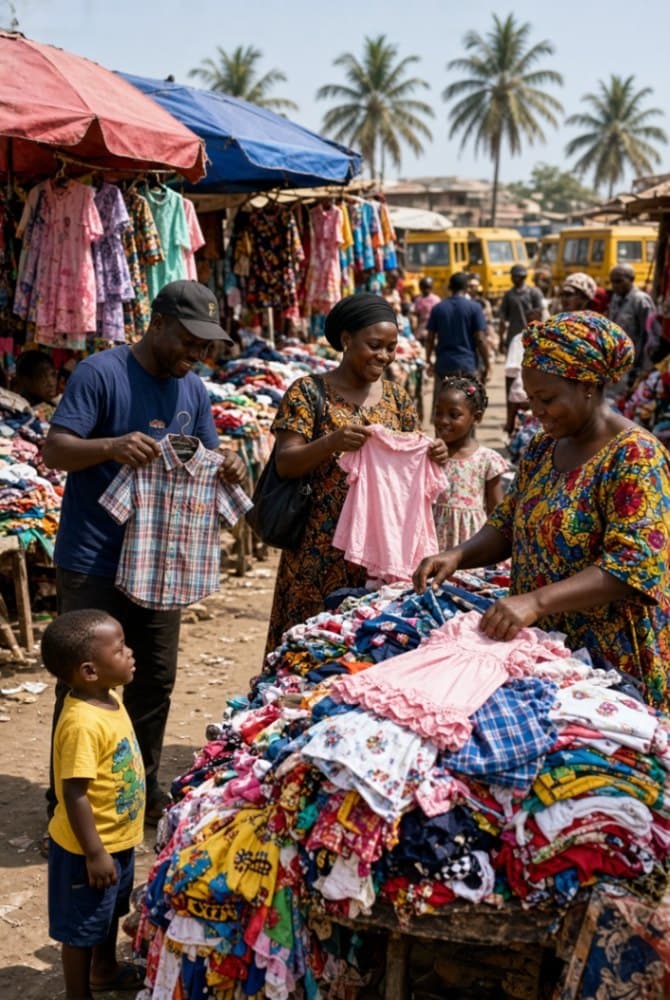
For thrift shoppers in Nigeria, oversized finds are common because many secondhand pieces arrive with roomy cuts, altered tailoring, or sizing that does not match the label. That makes styling skill especially useful: you can turn a too-big shirt, blazer, trouser, or dress into something wearable without needing a full wardrobe overhaul.
When I pick an oversized thrift item, I first check three things: shoulder fit, fabric weight, and where the garment falls on the body. Structured fabrics like denim, thick cotton, wool blends, and sturdy suiting hold shape better than limp, stretchy, or worn-out material, which helps the outfit look intentional.
A useful rule from style guides is to begin with one oversized piece per outfit and keep the rest more fitted or structured. That simple formula prevents the body from disappearing inside fabric. If the top is roomy, the bottom can be slimmer; if the trousers are wide, the top can be more fitted or tucked in.
The easiest way to style oversized thrift finds without looking sloppy is to create contrast. A loose shirt paired with fitted jeans, a big blazer over a slim dress, or wide-leg trousers with a clean bodysuit all create a visible shape.
Here is a practical guide you can use:
| Oversized piece | What to pair it with | Why it works |
|---|---|---|
| Oversized shirt | Slim jeans, leggings, or a fitted skirt | Keeps the frame visible and stops the shirt from looking boxy. |
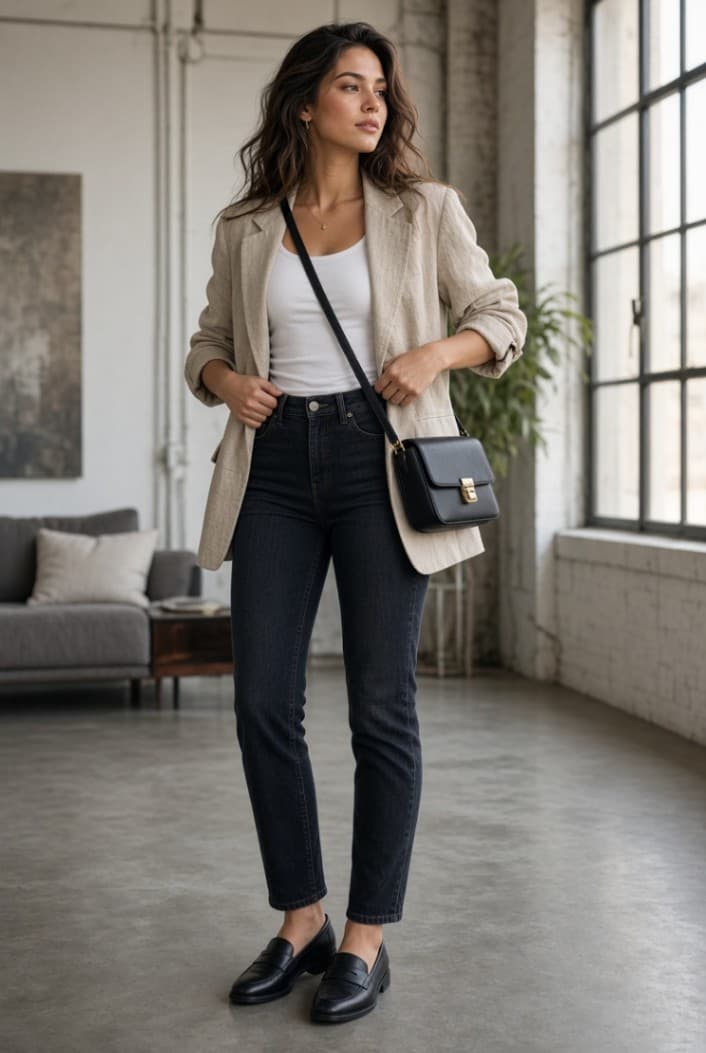
| Oversized blazer | Tailored trousers, straight jeans, or a fitted dress | Adds structure and keeps the look sharp. |
| Oversized sweater |
Have something to give away or sell?
Post your first listing — it only takes a couple of minutes.
| Pencil skirt, slim jeans, or biker shorts |
| Balances bulk with clean lines. |
| Wide-leg trousers | Bodysuit, fitted tee, or tucked shirt | Defines the waist and prevents overwhelm. |
| Oversized dress | Belt, cropped jacket, or fitted inner layer | Creates shape instead of one long block of fabric. |
A good styling test is simple: if the outfit has volume on top, add calmness on the bottom. If the volume is on the bottom, keep the top neat and close to the body.
Tucking is one of the fastest ways to make an oversized thrift piece look styled instead of accidental. A full tuck, front tuck, or half-tuck can instantly show the waist and create a cleaner line through the middle of the body.
Rolling sleeves also helps because it adds shape around the arms and wrists, which makes the outfit feel more deliberate. This works especially well for oversized button-downs, vintage tees, and blazers. If the neckline is too high or too closed, opening a few buttons or layering a fitted inner top underneath can also lighten the look.
A quick example: if you buy a men’s thrift shirt that reaches your thighs, you can wear it with straight-leg jeans, do a front tuck, roll the sleeves twice, and add clean sneakers. That combination looks styled rather than borrowed.
Accessories do a lot of heavy lifting when the clothes are loose. Belts, structured bags, sharp shoes, and compact jewelry all help define the look and break up large blocks of fabric.
A belt works especially well on oversized shirts, blazers, and dresses because it creates a waist point without removing the relaxed feel. Shoes also matter: sleek loafers, clean sneakers, block heels, boots, or pointed shoes tend to look more balanced under oversized pieces than tiny, delicate shoes that disappear under the volume.
If you are styling a thrifted oversized outfit for work, school, or a casual outing in Lagos, keeping one accessory structured is often enough. A neat bag and tidy shoes can make even a simple oversized look feel planned.
Fabric changes how oversized clothes read. Heavy fabrics can look luxurious when they hold shape, while thin or collapsed fabric can look tired if the garment is too large. For that reason, an oversized thrift blazer, crisp cotton shirt, or well-cut denim jacket is often easier to style than a stretched-out tee with faded seams.
Use the table below to decide what works in practice:
| Fabric type | Style effect | Styling note |
|---|---|---|
| Denim | Structured, casual, durable | Good for oversized jackets, shirts, and jeans. |
| Thick cotton | Clean and breathable | Works well for tees and shirts when the shape is still intact. |
| Rayon or soft drape fabrics | Fluid and light | Better for oversized dresses and flowy tops. |
| Wool blend or suiting | Sharp and polished | Ideal for oversized blazers and coats. |
| Thin worn fabric | Soft but can look loose | Needs tucking, layering, or a belt to avoid a sloppy finish. |
In warm Nigerian weather, breathable fabrics matter, but the piece still needs enough body to hold its shape. A thin oversized top can still work if you pair it with a more structured bottom or layer it over a fitted inner top.
Instead of guessing every morning, I find it easier to use repeatable formulas. These combinations are simple, wearable, and adaptable for thrift finds:
These formulas work because they keep one part of the body visually anchored while the other part adds fashion interest. If an outfit feels too heavy, remove one layer or switch to a cleaner shoe. In styling, subtraction often improves the final result.
Oversized clothing looks sloppy when the outfit loses all shape. The most common problems are wearing too many loose pieces at once, ignoring shoulder fit, choosing fabric that has lost structure, and letting hems or sleeves hang without adjustment.
A useful checklist:
This matters even more with thrift finds because secondhand clothes can vary in condition, measurements, and previous alterations. Under Nigerian consumer-rights guidance, buyers are generally encouraged to examine goods before completing a transaction, and where goods are displayed openly, consumers may select or reject items before payment. That makes in-person inspection or clear photos especially useful for oversized pieces, since fit is often more important than the label.
In Nigerian secondhand fashion, oversized styling often shows up in three everyday ways: borrowed tailoring, streetwear layering, and relaxed weekend looks. A thrifted oversized blazer can work for a student presentation with a fitted top and straight trousers. An oversized men’s shirt can become a cool campus look when tucked into jeans and worn with crisp sneakers.
If you are buying secondhand clothes online or through WhatsApp, clear measurements are helpful because labels can be unreliable in thrift markets. It is also sensible to inspect for stains, seam damage, and fabric thinning before paying, especially if the item is oversized because defects are easier to hide in folds and volume.
For Nigerian shoppers, that practical habit protects both your money and your style. The outfit starts with the garment, but the finish depends on the details.
Before you leave the house, run this fast check:
If the answer is mostly yes, the look usually reads as relaxed rather than sloppy. That is the real goal with oversized thrift fashion.
On Threddo, clear photos, honest measurements, and a simple condition note can make oversized finds easier to buy or pass along safely, especially when the fit is roomy and the details matter most.
Oversized thrift finds work best when you treat them like design pieces, not just big clothes. Keep one part of the outfit structured, use tucks and sleeves to create shape, and choose accessories that sharpen the overall look. In Nigeria, where thrift shopping is practical and common, that approach helps you turn affordable secondhand pieces into outfits that feel clean, modern, and intentional. This article is for educational purposes only and does not constitute professional advice. Always follow safe trading practices and use your own judgement.