How to Start a Thrift Instagram Page in Nigeria (From Zero Followers)
Evelyn John·
How to Start a Thrift Instagram Page in Nigeria (From Zero Followers)
Starting a thrift Instagram page in Nigeria is less about having thousands of followers and more about clear positioning, consistent content, and safe trading habits. With secondhand clothing imports shaping a large share of Africa’s used-clothing flows—West African countries like Nigeria lead as major importers—there’s strong demand for curated preloved fashion online. This guide walks you through setting up, sourcing, pricing in ₦, posting, and growing a page that feels trustworthy and useful to everyday buyers.
Last Updated: September 2026
Why a Thrift Instagram Page Works in Nigeria
Instagram fits Nigeria’s mobile-first shopping behaviour: buyers scroll Reels, check Stories for drops, and DM for sizes and prices. Thrift (okrika/preloved) pages thrive because they offer:
Affordability: Pre-owned clothing often costs far less than new retail; global data shows buying secondhand can save around 60% versus new prices.
Variety: From UK/US bales to vintage pieces, you can specialise in niches like office wear, streetwear, plus-size, or kids’ clothing.
Avoid numbers/special characters that confuse DMs.
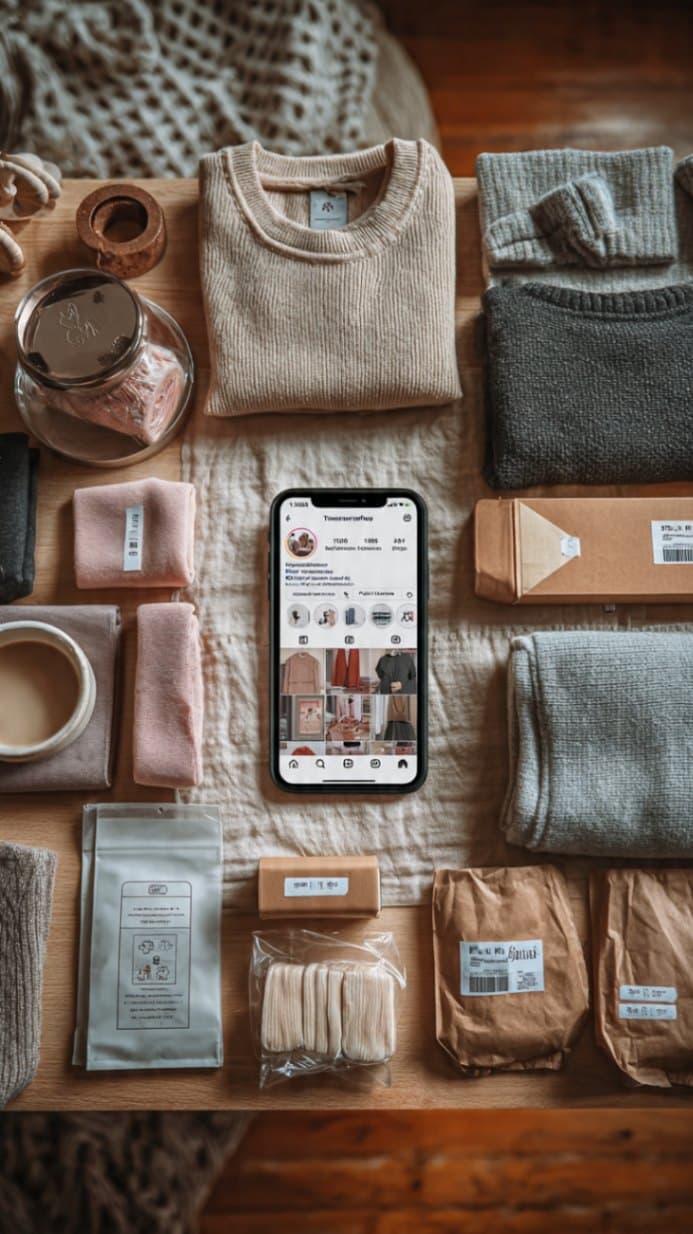
Step 2: Set Up Your Profile for Trust and Discovery
Your profile is your storefront. Make it scannable in 5 seconds.
Profile checklist:
Handle & Name: Include “thrift”, “preloved”, or your city.
Bio: State what you sell, sizes, location, and delivery method. Example: “Curated preloved women’s wear | Lagos | Sizes S–XL | Nationwide delivery | DM for measurements & prices.”
Link: Use a single link (Linktree/Beacons) to your WhatsApp Business catalog, Google Form for orders, or a marketplace profile like Threddo if you cross-post.
Highlights: Create Story highlights for “How to Order”, “Size Guide”, “Reviews”, “Drops”, and “Safety”.
Contact button: Enable WhatsApp or Email for quick DMs.
Most Nigerian thrift sellers start small and scale. You can begin with ₦50,000–₦100,000 and grow. Finding a profitable thrift business path involves selecting reliable bale dealers.
Where to source:
Bale dealers: UK, US, Canada, China mixed bales. Ask for bale labels, sample pics/videos, and grade confirmation before paying.
Online supplier groups: WhatsApp communities and Facebook thrift supplier groups often list available bales or sorted lots.
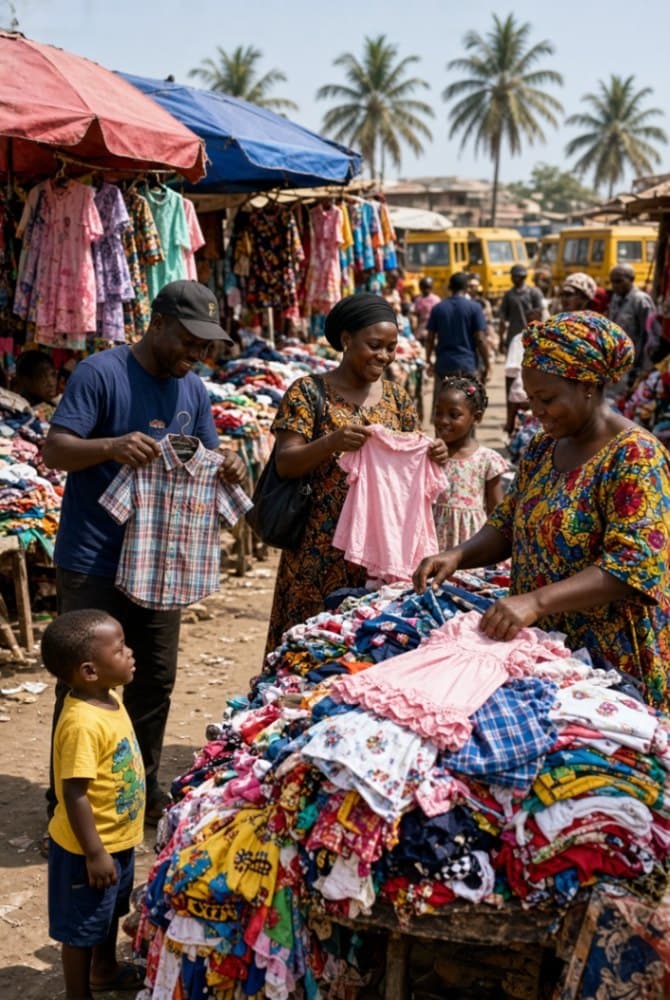
Local markets: Balance between cost and quality; inspect for stains, tears, and odours.
Closet clear-outs: Friends/family preloved items can be your first inventory at low cost.
Quick quality checks:
Hold fabric up to light to spot thinning.
Check zippers, buttons, and seams.
Smell test for smoke/mildew.
Measure pit-to-pit, waist, and length for accurate sizing.
Step 4: Wash, Repair, and Present Like a Pro
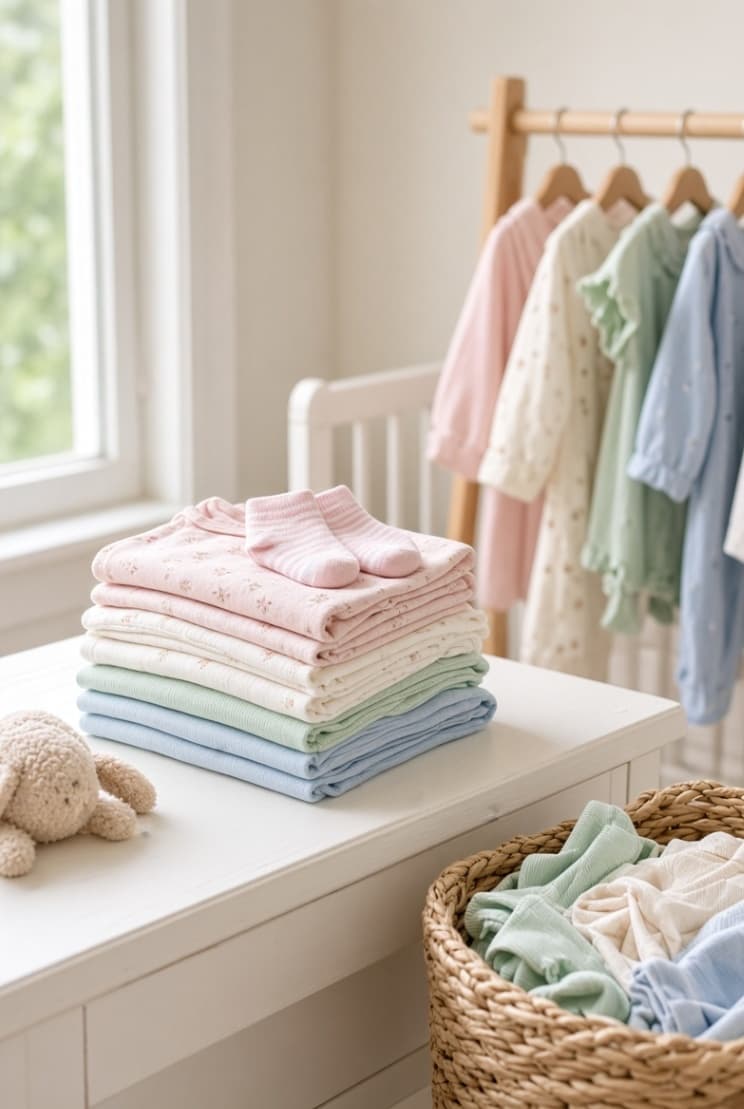
Presentation affects perceived value and price.
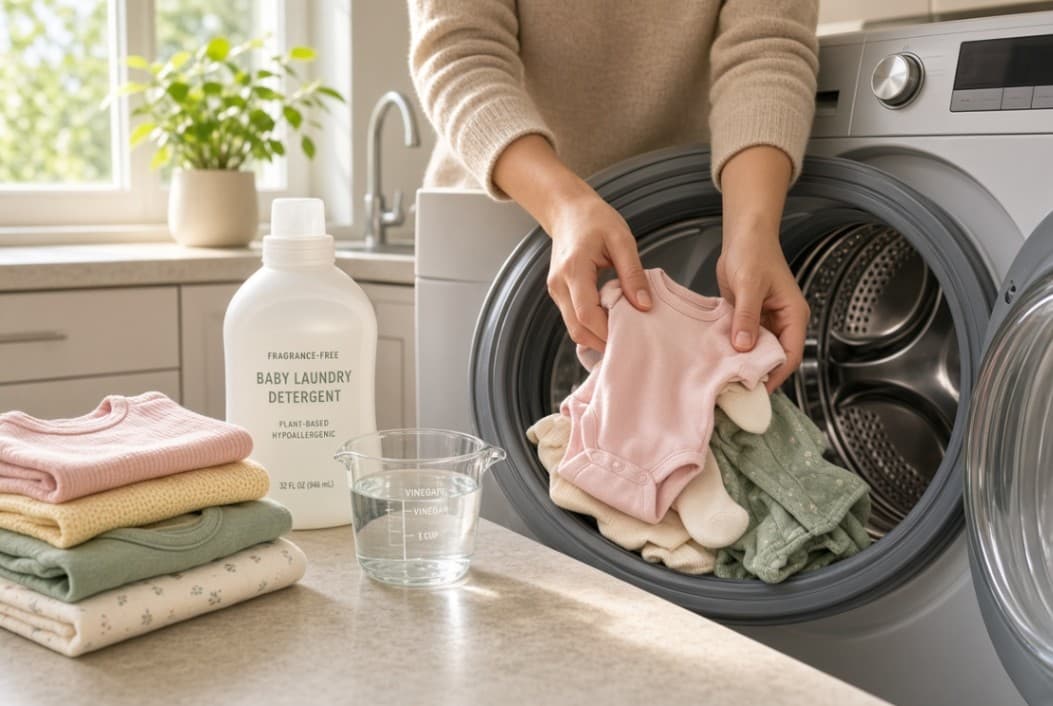
Cleaning routine:
Use mild detergent; warm water for whites.
Add fabric softener for freshness.
Vinegar rinse helps remove odours.
Dry under shade to avoid sun bleaching.
Minor repairs that lift price:
Tighten loose buttons.
Stitch small tears.
Trim hanging threads.
Fix broken straps on bags.
Storage:
Keep items in clean, dry areas to prevent mould or musty smells.
Step 5: Price in ₦ Using Simple Rules
Pricing balances cost, condition, brand, and demand.
Starter pricing framework:
Cost price: What you paid per item (or per bale ÷ number of sellable pieces).
Target margin: Many small thrift pages aim for 40–100% markup depending on rarity and condition.
Market check: Search similar items on Instagram/Facebook to see going rates.
Example price ranges (illustrative, Lagos/Abuja):
Item type
Typical condition
Price range (₦)
Basic tee (unbranded)
Good
2,500 – 6,000
Branded tee (Nike, Adidas, etc.)
Very good
7,000 – 15,000
Jeans (straight/skinny)
Good–VG
8,000 – 20,000
Blazers (office wear)
VG–Excellent
12,000 – 35,000
Dresses (casual)
Good–VG
9,000 – 25,000
Handbags (mid-range brands)
VG
15,000 – 45,000
Sneakers (preloved)
Clean, no major scuffs
10,000 – 40,000
Note: Prices vary by city, brand, and season. Always measure and disclose flaws.
Step 6: Create Content That Converts
Don’t just post clothes—post clarity.
High-performing post types:
Flat lays + try-ons: Show fit on different body types if possible.
Reels: 10–20s clips showing fabric movement, details, and styling.
Before/after styling: One thrift top styled 3 ways (office, casual, date).
Run mini giveaways or flash sales to boost interaction.
Step 8: Set Up Safe Ordering and Delivery
Clear processes reduce disputes and build trust.
Order flow example:
Buyer DMs item code or screenshot.
You send measurements, condition video, and total (item + delivery).
Buyer confirms and pays (bank transfer/POS).
You share tracking or rider details and estimated delivery date.
After delivery, request a review photo for your Highlights.
Delivery options:
In-city: Bike riders, dispatch riders (agree on rates upfront).
Inter-state: Courier services (GIG, Red Star, etc.) or batched deliveries per state to cut costs.
Pickup: Designate a safe public spot if offering self-pickup.
Safety basics:
Keep all chats on Instagram/WhatsApp for records.
Avoid “pay on delivery” for high-value items unless you trust the buyer.
For high-value transactions, consider escrow-like arrangements via trusted community admins or platforms that support direct contact but emphasise safety.
Step 9: Grow Without Paid Ads (At First)
Organic growth works when your content solves problems.
Tactics that help:
Collaborate: Swap shoutouts with complementary pages (shoes, bags, tailors).
Engage in niche communities: Comment meaningfully on fashion/thrift posts.
User-generated content: Encourage buyers to tag you; feature them.
Educational carousels: “How to measure yourself”, “How to spot fake designer bags”, “Thrift care tips”.
Cross-post: Share drops on Facebook Marketplace/groups and WhatsApp Status to reach local buyers fast.
Step 10: Track What Works (Simple Metrics)
You don’t need fancy tools—just a notes app.
Weekly check:
Which posts got most saves/shares? (Indicates intent to buy.)
Which captions led to DMs?
What time do most followers engage?
Which price points sell fastest?
Adjust your next week’s plan based on these signals.
Common Mistakes to Avoid
Vague descriptions: Always include measurements and flaws.
Overpromising delivery: Give realistic timelines; update if delayed.
Ignoring DMs: Slow replies kill sales. Set “office hours” if needed.
Inconsistent branding: Use similar filters, backgrounds, and fonts so your grid looks cohesive.
No safety boundaries: Don’t share personal addresses; meet in public if doing pickups.
A Note on Sustainability and Community Impact
Thrifting isn’t just about deals—it’s part of a larger circular-economy conversation. In Africa, secondhand clothing trade volumes are large, with imports far outpacing exports, placing pressure on local systems to manage textile waste responsibly. As a seller, you can:
Encourage repairs and alterations over discards.
Donate unsellable but wearable items to community drives.
Separate textile waste and support local upcycling initiatives.
Share care tips so garments last longer in buyers’ wardrobes.
Light Platform Mention (Optional)
If you want an extra channel beyond Instagram, you can list items on free, WhatsApp-first marketplaces like Threddo.com.ng, which connects buyers and sellers directly for secondhand clothes, shoes, bags, jewellery, hair, and accessories across Nigeria. It’s useful for reaching people who prefer browsing categories and filtering by gender/age without DMing first. For safe trading principles, see Threddo’s Safety Guide and always keep communication on official chat apps.
Quick Starter Checklist (Print or Save)
Niche chosen + page name finalised
Bio, highlights, and WhatsApp link set up
First 10–20 items sourced, washed, and measured
Price list drafted in ₦ with photos ready
9-grid launch plan (3 drops, 3 styling, 3 BTS)
Delivery partners identified (rider/courier)
Safety rules written in Highlights (“How to Order”, “Payments”, “Delivery”)
Content calendar for 2 weeks planned
Final Word
You can start a thrift Instagram page in Nigeria with a small budget, clear niche, and consistent, honest content. Focus on accurate measurements, fair pricing in ₦, and safe trading habits, then let your style and reliability do the marketing.
This article is for educational purposes only and does not constitute professional advice. Always follow safe trading practices and use your own judgement.