T
Loading…
Loading…
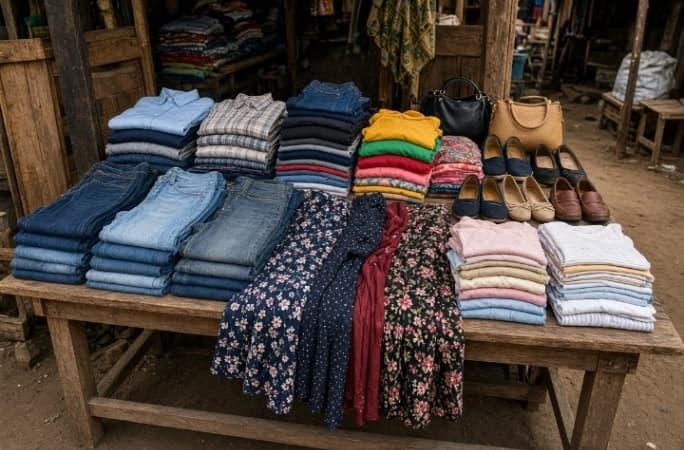
You do not need hundreds of thousands of naira to begin a secondhand clothing business in Nigeria. With careful sourcing, simple hygiene steps, and smart use of WhatsApp and Instagram, you can launch a small thrift (okrika) venture with less than ₦50,000 and grow it over time.
This guide walks you through realistic steps, price ranges, safety practices, and everyday examples so you can start confidently and trade safely.
Last updated: August 2026
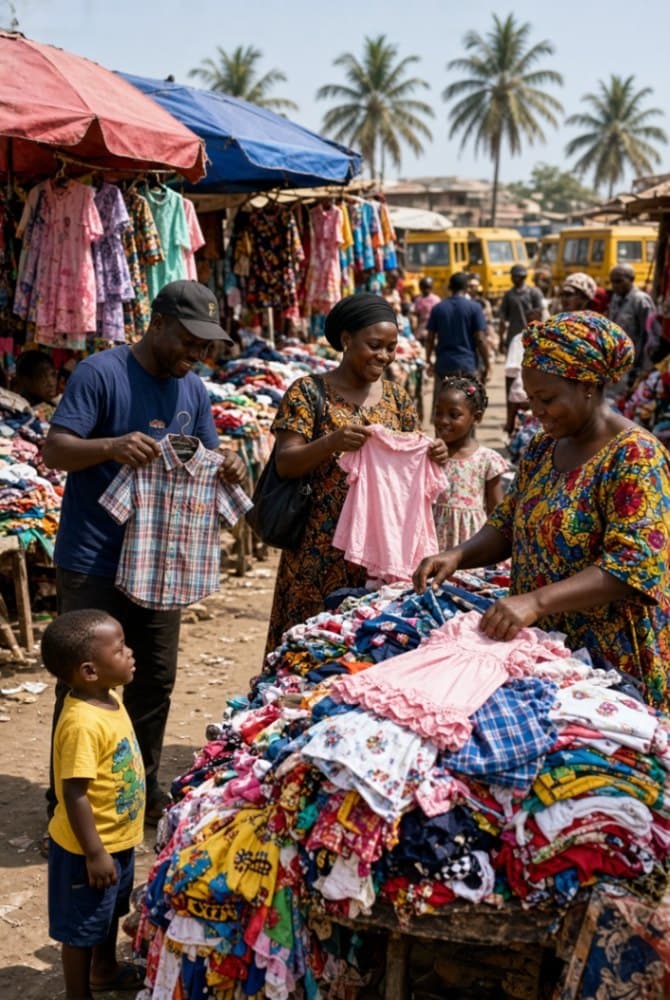
Secondhand fashion is already part of daily life in Nigeria. Markets like Yaba (Lagos), Katangowa (Kano), and various “bend-down-select” spots across cities show steady demand for affordable, good-quality clothes.
Key reasons this model fits low budgets:
Trying to sell “everything” with a small budget usually leads to slow sales. Picking a narrow focus helps you:
Popular low-capital niches in Nigeria include:
Practical tip: Pick one or two categories you understand well and can describe clearly to buyers (e.g. “vintage tees and hoodies for students” or “affordable office wear for young professionals”).
Have something to give away or sell?
Post your first listing — it only takes a couple of minutes.
With ₦50,000, every naira counts. A simple, workable structure might look like this:
| Item | Estimated Cost (₦) | Notes |
|---|---|---|
| Stock (Grade A pieces or small bundle) | 25,000–35,000 | Focus on 15–30 quality items |
| Washing & sanitising supplies | 3,000–5,000 | Detergent, disinfectant, ironing |
| Basic packaging (polythene, tags) | 2,000–4,000 | Clean presentation |
| Data & small ads (Instagram/WhatsApp) | 3,000–5,000 | Boost posts or targeted ads |
| Transport to/from market | 3,000–5,000 | Depends on your city |
| Contingency / price adjustments | 2,000–4,000 | For haggling or extra stock |
This is just an example; you can shift amounts based on your city, transport costs, and the type of clothes you choose.
Key principle: Keep at least 10–15% of your capital as a buffer so one bad buying trip does not wipe you out.
Full bales of first-grade okrika now trade around ₦250,000–₦600,000 in Lagos and other major markets, depending on grade and type. That is far above a ₦50,000 starting budget.
Instead, consider these approaches:
You might pay ₦800–₦2,500 per top, ₦1,500–₦4,000 per jeans or jacket, depending on condition and brand.
Some wholesalers sell smaller bundles or “half-bales” at lower prices than full 100kg bales. Ask specifically for:
Prices vary widely, but you can often find bundles in the ₦15,000–₦40,000 range that fit a low-budget plan.
Another low-risk option:
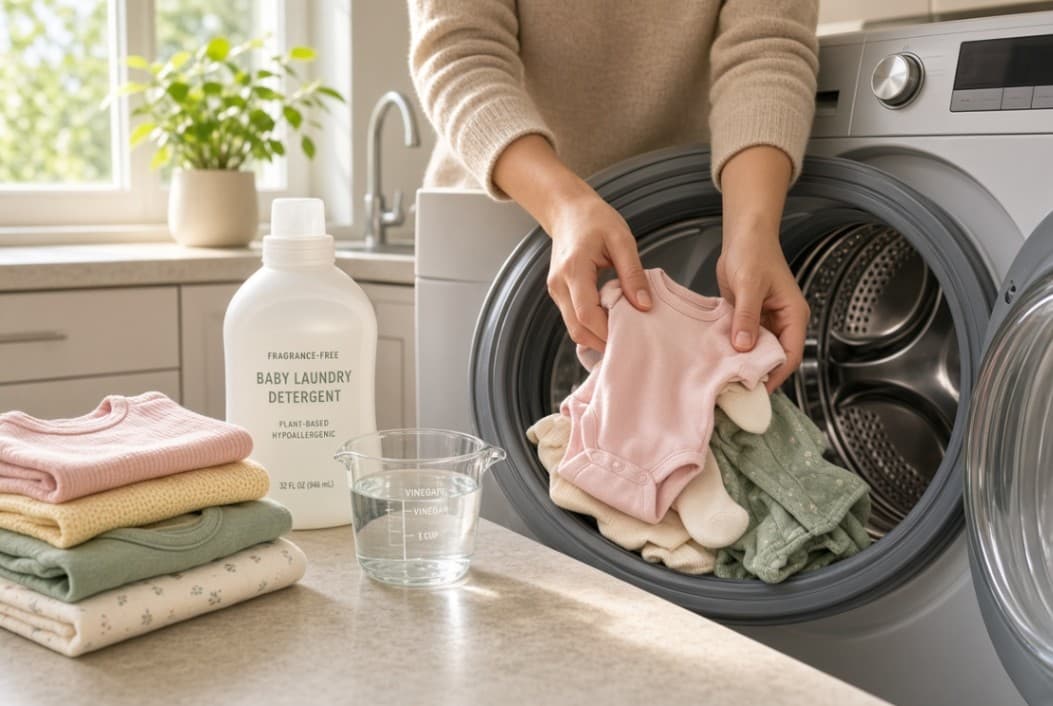
Buyers care about hygiene and presentation. Proper cleaning increases trust and allows you to charge better prices.
For each item:
Check pockets and labels Remove any old tags, receipts, or items left in pockets.
Pre-treat stains Use stain remover or a mix of detergent and water on visible marks before washing.
Wash thoroughly
Sanitise
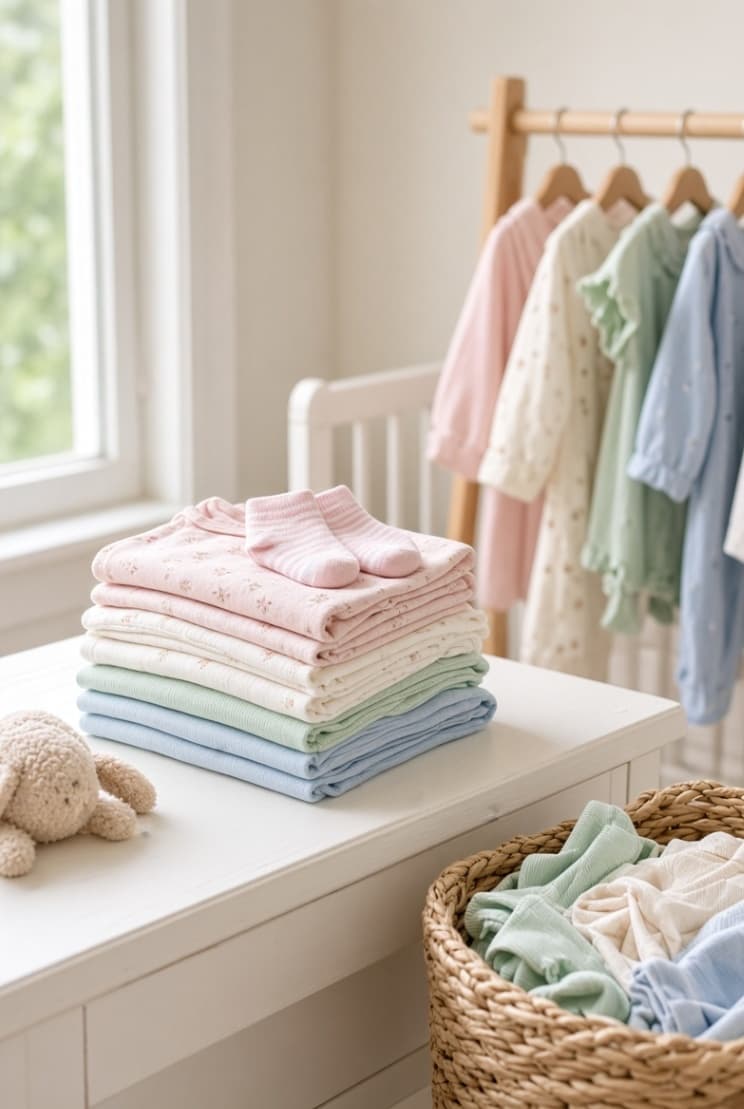
Iron and fold neatly Crisp, well-ironed clothes photograph better and look more valuable.
Package cleanly Use clear polythene or simple paper bags. A small handwritten tag with size and price adds a professional touch.
Pricing is where many new sellers make mistakes: too high and items do not move; too low and you cannot restock.
A practical approach:
$ \text{Selling Price} = \text{Cost Price} + \text{Cleaning/Packaging Cost} + \text{Desired Profit} $
For example:
In practice, many thrift sellers aim for 50–150% markup on cost price, depending on item quality and demand.
| Item Type | Typical Cost Price (₦) | Typical Selling Price (₦) |
|---|---|---|
| Basic tee/top (Grade A) | 800–1,500 | 2,000–4,000 |
| Jeans (good condition) | 1,500–3,000 | 3,500–7,000 |
| Hoodies/sweaters | 2,000–3,500 | 4,500–8,000 |
| Dresses (casual) | 1,500–3,000 | 3,500–7,500 |
| Blazers/office wear | 2,500–4,500 | 5,500–10,000 |
| Kids’ outfits | 700–1,500 | 1,800–3,500 |
These are guides, not rules. Adjust based on your city, brand, and how fast you want to turn stock.
You do not need a website to start. Many successful Nigerian thrift sellers operate mainly on WhatsApp and Instagram.
Create a WhatsApp Business profile
Prepare quick-reply messages Examples:
Use labels to track orders Mark chats as “New enquiry”, “Paid”, “Delivered”, “Repeat customer” to stay organised.
You can start with as little as ₦3,000–₦10,000 in Instagram ads targeted to your city and age group, directing people to WhatsApp to close sales.
Safety and trust are critical, especially when trading online. Nigeria’s Federal Competition and Consumer Protection Act (FCCPA) gives consumers rights to accurate information, fair treatment, and safe products.
Be clear about condition Describe items honestly: mention any stains, repairs, or defects. Under FCCPA, businesses must not give misleading or deceptive information about products.
Disclose that items are secondhand The law requires sellers to clearly inform buyers when products are used, second-hand, or reconditioned.
Provide basic transaction records Keep simple records of sales (date, item, price, buyer name/number). FCCPA encourages businesses to provide written records of transactions on request.
Use secure payment methods Prefer bank transfers or trusted payment platforms. Avoid sharing sensitive personal data beyond what is needed for delivery.
Have a simple complaint process If a buyer reports a problem (wrong size, major defect not disclosed), have a clear way to handle it: exchange, partial refund, or credit towards next purchase. The FCCPA expects businesses to have complaint redress mechanisms that are easy to use.
Sharing simple safety tips in your captions or WhatsApp status builds trust and shows you take trading seriously.
With a small budget, your biggest advantage is the ability to learn fast and adjust.
Keep a basic record (in a notebook or phone) with:
Over time, you will see patterns like:
Use this information to:
A common approach:
This helps you grow without overextending.
Here is a realistic scenario:
Stock purchase:
Other costs:
Total spent: ₦41,000 (slightly over, but within range)
Potential sales:
Profit before next restock: ₦85,000 – ₦41,000 = ₦44,000
You can then reinvest part of that ₦44,000 into more stock, expand into dresses or accessories, or save some for lean periods.
This is just one example; your numbers will differ based on your city, sourcing skill, and how fast you sell.
Buying too much variety at once With limited capital, spreading across too many categories (men, women, kids, shoes, bags) often leads to slow sales. Focus first.
Ignoring defects Selling items with hidden stains or tears damages trust. Always inspect and disclose.
Underpricing out of fear Very low prices can make buyers suspicious about quality. Price fairly based on condition and your costs.
No record-keeping Without tracking, you cannot tell which items or styles are profitable.
Skipping hygiene Poorly cleaned clothes lead to complaints and bad word-of-mouth.
If you want a simple, free place to list your items alongside other secondhand sellers, you can explore platforms like Threddo, a WhatsApp-first marketplace for preloved clothes, shoes, bags, and accessories in Nigeria. It does not charge listing fees or handle payments; instead, it connects buyers and sellers directly, which can complement your WhatsApp and Instagram efforts. You can read their safety guide for basic best practices on secure trading and clear descriptions.
Starting a thrift business with less than ₦50,000 is realistic if you:
Growth comes from consistent learning, honest trading, and steady reinvestment rather than big, risky purchases.
This article is for educational purposes only and does not constitute professional advice. Always follow safe trading practices and use your own judgement.