T
Loading…
Loading…
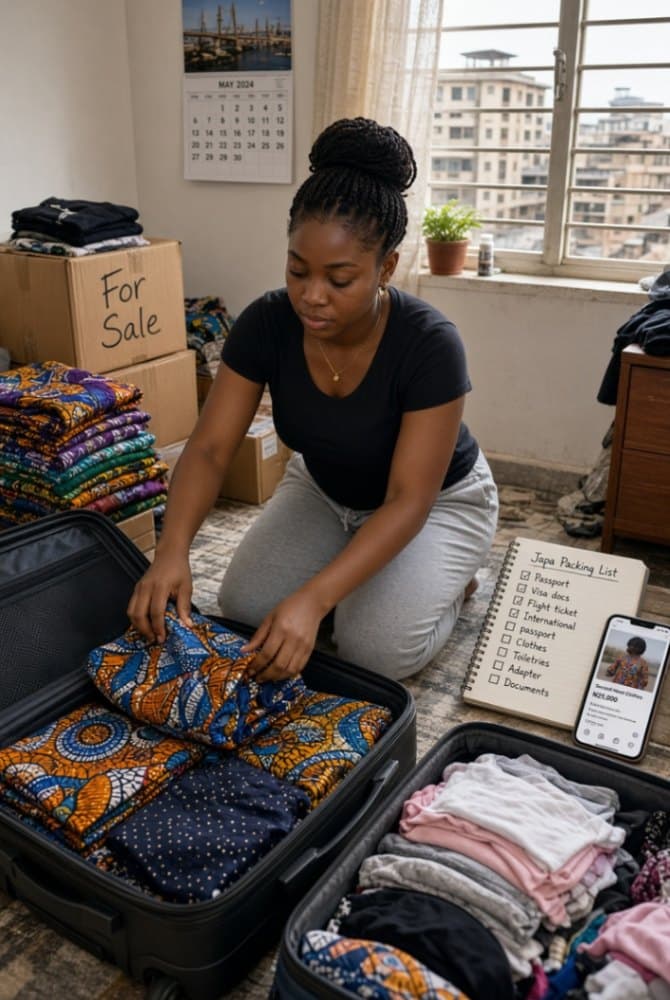
Relocating from Nigeria often creates a practical question: what happens to the clothes, shoes, bags, wigs, jewellery, appliances and other items you have accumulated? Selling before you travel can reduce clutter, create useful cash flow for moving expenses, and give your belongings a second life.
The key is to begin early, sort items honestly, price them realistically in naira, and use safe buyer-seller arrangements. This guide explains how to sell clothes before relocating from Nigeria, how to organise a “japa” clearance sale, and what to do with items that do not sell.
A rushed sale usually creates avoidable problems. Buyers may negotiate more aggressively when they know you are leaving soon, while last-minute listings can lead to poor descriptions, missed meet-ups and unsold items.
A practical timeline looks like this:
| Time before departure | Main task |
|---|---|
| 8–12 weeks | Sort everything and separate items for sale, donation, packing and disposal |
| 6–8 weeks | Photograph and list higher-value items |
| 4–6 weeks | List clothing bundles, shoes, bags and accessories |
| 2–3 weeks | Reduce prices on remaining items and arrange collections |
| Final week | Donate, give away or dispose of unusable items responsibly |
Create one central inventory using a notebook, spreadsheet or phone note. Record:
This prevents confusion when several people ask about similar items.
Before taking photographs, empty your wardrobe, shoe rack, drawers and storage boxes. Sorting everything at once makes it easier to see what you actually own.
Include items that are clean, functional and likely to be useful to another person. Examples include:
Have something to give away or sell?
Post your first listing — it only takes a couple of minutes.
Items with modest resale value may be more useful as donations, especially when the time needed to negotiate exceeds the likely selling price. Possible recipients include relatives, neighbours, schools, community groups and verified charities.
If you list an item as free, describe its condition clearly. “Free” does not mean “no disclosure”; stains, broken zips, missing buttons and other defects still matter.
Set aside items that you will take with you. Avoid listing anything that has already been allocated for travel, because cancelling after a buyer has made arrangements can damage trust.
Clothes with loose seams, missing buttons or minor zip problems may become more useful after simple repairs. Items that are torn, mouldy, heavily stained or unsafe to use may not be suitable for resale.
UNEP describes reuse, repair and responsible recovery as important parts of a circular textile system. Globally, an estimated 92 million tonnes of textile waste are generated each year, making continued use of wearable garments preferable to sending usable items directly to landfill or open burning.
There is no single correct resale price. A useful starting point is to compare condition, brand, age, demand, availability and urgency.
The following ranges are working examples rather than guaranteed market values:
| Item | Common resale range | Factors affecting price |
|---|---|---|
| Everyday tops | ₦2,000–₦7,000 | Fabric, condition, style and brand |
| Jeans or trousers | ₦3,000–₦12,000 | Fit, denim quality, wear and brand |
| Native wear | ₦5,000–₦25,000 | Fabric, tailoring, embroidery and completeness |
| Sneakers | ₦8,000–₦40,000 | Authenticity, sole condition and demand |
| Handbags | ₦5,000–₦35,000 | Brand, structure, scratches and lining |
| Wigs or hair pieces | ₦10,000–₦100,000+ | Hair type, length, density and condition |
| Jewellery sets | ₦1,500–₦15,000 | Material, design and completeness |
| Children’s clothing bundles | ₦5,000–₦25,000 | Number of pieces, sizes and condition |
To create a price, compare similar listings in your city and adjust for condition. A clean, current-style item with clear photographs generally communicates more value than an older item photographed in poor lighting.
Use a simple pricing formula:
$ \text{Asking price} = \text{reference price} - \text{condition adjustment} + \text{brand or rarity adjustment} $
For example, if similar used sneakers sell around ₦20,000, visible sole wear may justify a lower asking price, while an original box and proof of purchase may support a higher price.
Bundles can reduce the time spent arranging multiple sales:
State exactly what the bundle contains. “Wardrobe clearance” is less useful than “five women’s size 12 office tops, washed, no major stains.”
Presentation does not require expensive equipment. It requires accuracy and basic care.
Describe length, texture, colour, construction and usage history. For wigs, mention whether the lace has been cut, whether the cap has been altered, and whether the item has been washed or restyled.
Do not make health or treatment claims about cosmetic products. For products that fall within regulated categories, check relevant Nigerian regulatory requirements before offering them for sale.
A strong listing reduces unnecessary back-and-forth. Include the information a buyer needs before arranging a meeting.
Item: Black leather-look handbag Condition: Gently used; small scratch on the base Size: Approximately 30 cm wide Includes: Detachable strap Location: Yaba, Lagos Price: ₦12,000 Collection: Buyer collection or agreed public meet-up Note: Item is second-hand; inspect before completing the transaction
The Federal Competition and Consumer Protection Commission states that sellers should provide clear product information, disclose prices and identify used or second-hand goods accurately. Its consumer guidance also addresses honest descriptions and transaction records.
Useful words include:
Avoid statements such as “perfect condition” when the item has visible defects. Misleading descriptions can create disputes and weaken buyer confidence.
Many buyers want quick answers about location, delivery and payment. Put these details in the listing instead of waiting for repeated questions.
Mention:
For Lagos transactions, a public meeting point may be easier than giving a stranger your home address. For bulky items, a trusted adult, security desk or known commercial location can help coordinate collection.
Avoid publicly posting sensitive information such as your passport details, flight itinerary, exact travel date or full home address.
A relocation sale can attract genuine buyers and opportunistic scammers. The same basic precautions apply whether you are selling through WhatsApp, social media or a marketplace.
The FCCPC’s e-commerce guidance emphasises clear disclosures before payment and an accessible complaint process, while its consumer-rights guidance highlights accurate information, price disclosure and disclosure that goods are used or reconditioned.
For direct peer-to-peer sales, these principles are useful even where the seller is not operating a large formal business: describe the item accurately, state the naira price, and preserve evidence of what both parties agreed.
A clearance plan helps you avoid reducing every price simply because departure is approaching.
List branded shoes, quality bags, wigs, premium native wear, electronics and complete furniture sets first. These items may need more questions, inspection or negotiation.
List shirts, trousers, dresses and accessories in categories or bundles. Use clear labels such as:
Set a clear closing date. Buyers need to know whether an item will remain available for a week or only until the weekend.
A simple status system can help:
| Status | Meaning |
|---|---|
| Available | No confirmed buyer |
| Reserved | Buyer has arranged a specific inspection or collection |
| Sold | Payment and handover completed |
| Donated | Given to a recipient |
| Unavailable | Removed from sale |
Do not mark an item “sold” until payment and handover are complete.
An item can remain unsold for several reasons:
Before lowering the price, improve the listing. Add measurements, show the defect, change the cover image, offer a bundle or clarify collection arrangements.
If the item still does not move, consider:
Nigeria Customs Service materials state that importation of used clothing is prohibited, citing health and economic concerns; this relates to import activity, not an individual’s ordinary domestic sale of personal clothing. For any cross-border shipment or commercial export, check current customs requirements rather than assuming that domestic selling rules apply.
Imagine a student in Lagos preparing to relocate in eight weeks. She has:
She could group the items like this:
| Listing | Contents | Example price |
|---|---|---|
| Casual clothing bundle | Four tops and one pair of jeans | ₦12,000 |
| Footwear listing | Two pairs of sneakers, separately priced | ₦18,000–₦30,000 each |
| Work accessory | One gently used office bag | ₦15,000 |
| Hair listing | Used wig with condition details | ₦35,000 |
| Free or donation bundle | Children’s clothing in clean wearable condition | Free |
The example works because each listing has a clear audience, accurate condition details and a collection timeline. It also avoids presenting damaged items as premium goods.
If you want a Nigeria-focused place to organise secondhand clothing, shoes, bags, jewellery, hair and accessories before relocating, Threddo lets sellers create free listings and connect directly with buyers through WhatsApp. You can also use its categories and donation filters to separate items for sale from items you want to give away. Review the platform’s Safety Guide and relevant listings before arranging a handover.
Selling everything before you japa works more smoothly when you start early, separate saleable items from donations, disclose defects, use realistic naira prices and keep a clear record of each transaction. Safe secondhand trading also supports circular fashion by keeping wearable clothes, shoes, bags and accessories in use for longer rather than sending them prematurely to waste streams; UNEP identifies reuse and repair as important parts of a circular textile economy.
This article is for educational purposes only and does not constitute professional advice. Always follow safe trading practices and use your own judgement.
Last Updated: September 2026