
T
Loading…
Loading…
Last Updated: September 2026
Secondhand wallets and purses can be smart buys in Nigeria when you know how to inspect them properly. A quick check helps you spot hidden damage, poor cleaning, fake materials, and seller listing tricks before money changes hands.
Secondhand fashion works well because it keeps useful items in circulation, reduces waste, and gives buyers access to more affordable style options. In Nigeria, circular fashion has become more visible as people look for practical ways to reuse quality items instead of letting them go to landfill or burn sites.
The challenge is that bags and wallets carry a lot of hidden wear. Corners crack, zips fail, linings stain, and straps loosen long before the item looks “fine” in a photo. The Federal Competition and Consumer Protection Commission says consumers are protected against unsafe goods, false information, and deceptive practices, so a careful inspection supports better buying decisions and reduces avoidable disputes.
When I inspect a secondhand wallet or purse, I start with the parts that are hardest to fix. These are the signs that tell you whether the item still has life left in it or whether it is already near the end of use.
| Area | What to look for | What it can mean |
|---|---|---|
| Exterior surface | Scratches, peeling, cracks, faded areas, weak corners | Heavy use or low-quality material |
| Stitching | Loose threads, open seams, broken thread lines | The item may split soon |
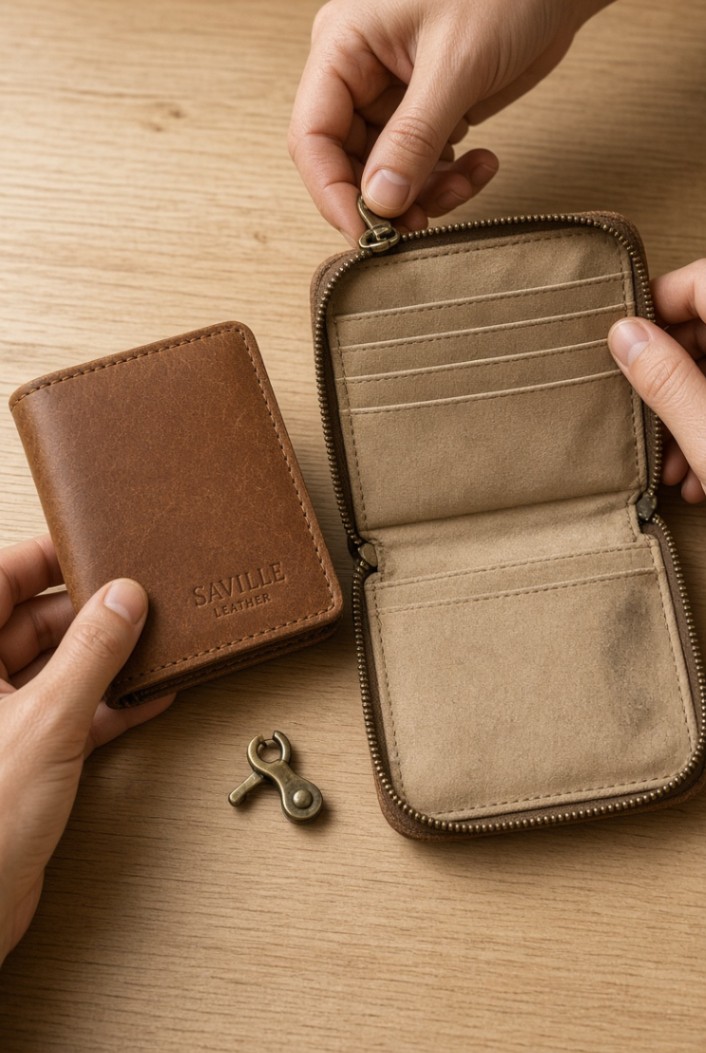
| Zip and clasps | Smooth opening, alignment, missing teeth, weak magnets | Hardware wear can make the item frustrating to use |
| Handles and straps | Fraying, stretching, loose attachment points | Risk of tearing under weight |
| Interior lining | Stains, tears, bad smell, sticky surface | Hygiene issues or old liquid damage |
| Shape and structure | Sagging base, bent frame, collapsed sides | The purse may no longer hold form well |
| Brand labels or stamps | Clear printing, consistent placement, spelling |
Have something to give away or sell?
Post your first listing — it only takes a couple of minutes. Or browse listings near you.
| Helps spot poor-quality counterfeits |
If the listing photos do not show these parts clearly, ask for more pictures before you travel or negotiate. Clear photos of the front, back, corners, inside lining, zip, and strap ends are more useful than one polished full-shot image.
Secondhand wallets and purses are often made from leather, synthetic leather, canvas, fabric blends, or coated materials. Real leather usually ages differently from synthetic leather: it may develop a natural patina, while synthetic material often peels, flakes, or cracks at the fold points.
Here is a simple way to think about it:
If the item is marketed as a premium piece, the texture, smell, stitching, and hardware quality should all feel consistent. A mismatch between a “luxury” label and light plastic-feeling hardware is a common warning sign.
Wallets and purses sit close to hands, clothes, makeup, and sometimes food wrappers or receipts. That means smell and cleanliness matter as much as appearance. NAFDAC’s hygiene guidance for food handling is not about fashion items specifically, but the same public-health logic applies: avoid contaminated, dirty, or poorly stored goods and handle cleaning materials carefully.
A quick hygiene check can include:
For secondhand pieces, light surface cleaning is common practice, but a strong musty smell often means long-term storage in a damp space. In Lagos weather, humidity can turn a small smell problem into a permanent one if the lining has already absorbed moisture.
Hardware is where many buyers get disappointed after payment. A purse may look stylish but become annoying if the zip catches, the clasp opens by itself, or the chain feels too weak for normal use.
Test these functions before agreeing:
If the item is a wallet, test card slots, coin sections, and button fasteners. Card slots that are already loose can make cards fall out over time, especially if the wallet has been overfilled.
Secondhand bag prices vary widely by condition, material, brand, and location. In urban Nigeria, a small thrift wallet may sell from around ₦2,000 to ₦8,000, while better-quality pre-owned purses and structured handbags can range from about ₦5,000 to ₦25,000 or more depending on brand and condition. Budget thrift markets can be cheaper, while polished social-commerce listings often price higher because of better presentation and wider reach.
A useful way to judge value is to compare price against remaining lifespan:
The Nigerian handbag market is also shaped by urban demand, social commerce, and import dependence, which keeps prices diverse across Lagos, Abuja, Port Harcourt, and other major cities. That makes inspection more important than relying on the label alone.
Some issues are difficult or expensive to fix, even if the bag looks attractive online. When these appear together, the item may not be worth the trouble.
Nigeria’s consumer protection framework also covers misleading representations and unsafe or inferior goods, so buyers are not supposed to rely on vague claims alone. If a seller’s description says “excellent condition” but the photos show heavy peeling or broken hardware, that gap is a practical warning.
Use this checklist before you complete a secondhand purchase:
A good listing makes these checks easy. A vague listing makes them hard.
If you are buying online or on WhatsApp, request photos that answer practical questions instead of decorative ones. This reduces back-and-forth and helps you compare options faster.
Ask for:
This is especially useful in WhatsApp-based buying, where buyers often rely on chat images before meeting in person. A seller who shares clear, unedited photos usually makes the process easier and safer.
Imagine you find a secondhand purse in Lagos that looks neat from the outside and is priced at ₦12,000. The zip works, but one corner is peeling, the lining has a faint makeup stain, and one strap ring feels loose. In that case, the item may still be usable, but the weak corner and loose ring reduce long-term value.
Now compare that with a purse priced at ₦14,000 that has clean lining, strong stitching, smooth hardware, and only light wear on the base. Even though it costs a little more, the second option can give better daily use because the structure is still intact.
Consumer safety is not only about the item; it is also about the transaction. The FCCPC works to protect consumers from misleading practices and unsafe products, and Lagos State’s consumer agency has also warned against deceptive pricing, false promotions, and counterfeit goods. That matters in secondhand trading because product condition and honesty are part of the deal.
A simple safe-trading routine is:
If a seller changes the description after you ask questions, that usually tells you more than the listing itself.
On Threddo.com.ng, secondhand wallets and purses can be listed under Bags & Purses, with filters that make it easier to find Female, Male, Kids, Unisex, or Donation options. A platform like that works best when buyers use the same inspection habits in the checklist above and keep communication clear before meeting or trading.
Secondhand wallets and purses are easier to buy well when you inspect the structure, hardware, lining, smell, and seller transparency before paying. In Nigeria, that simple habit helps you avoid hidden defects, choose fair value, and reduce waste in a market that is already moving more toward circular fashion. This article is for educational purposes only and does not constitute professional advice. Always follow safe trading practices and use your own judgement.