T
Loading…
Loading…
Last Updated: September 2026
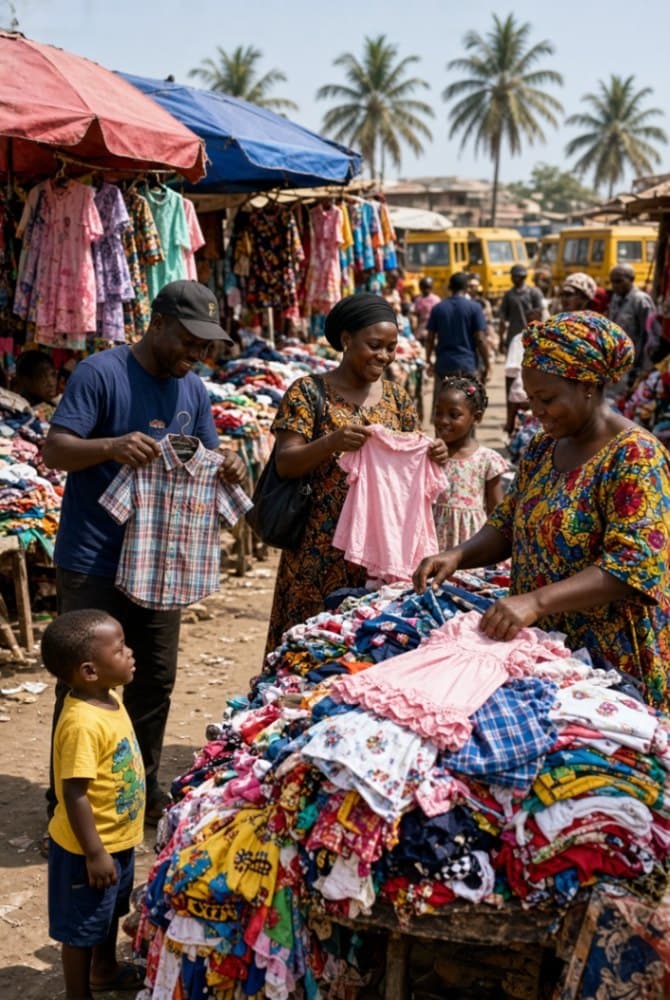
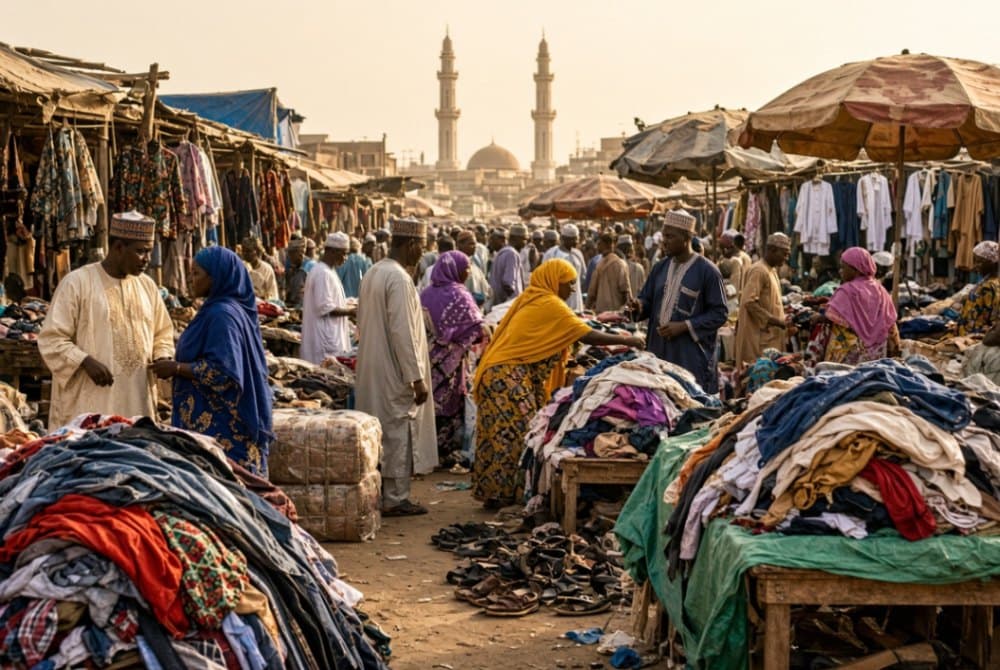
Sabon Gari Market in Kano is one of the most practical places to explore secondhand fashion in Northern Nigeria, especially if you want affordable clothes, shoes, bags, and accessories in one busy trading area. The market fits the wider African resale economy, where used clothing helps extend garment life, supports low-cost shopping, and keeps wearable items in circulation.
For many shoppers, the value of Sabon Gari is not only price. It is also the ability to inspect items in person, compare stalls, negotiate calmly, and walk away with pieces that fit everyday life in Kano’s climate and culture.
Sabon Gari is more than a market name; it is a shopping pattern that reflects how many Nigerians buy clothes in real life. People often look for durability, clean stitching, fabric that handles heat, and items that can be worn for school, work, worship, or casual outings. That makes the market useful for thrift shoppers who want practical value rather than only trend-driven fashion.
Used clothing markets also connect to sustainability because they keep garments in use longer and reduce avoidable textile waste. At the same time, research on secondhand trade in Africa shows that the system is complex: it creates access and affordability, but it also raises environmental and local-industry concerns. For a shopper, the practical takeaway is simple: buy carefully, buy clean, and buy with purpose.
Sabon Gari-style thrift markets usually carry a broad mix of items, and the category spread matters when you are planning a trip. In a market like this, variety is part of the appeal because you can compare different conditions, brands, and price points in one visit.
| Category | Common finds | Useful check |
|---|---|---|
| Clothing | Shirts, jeans, gowns, native sets, jackets | Check seams, buttons, zips, and stains |
| Shoes | Sneakers, loafers, heels, flats, sandals | Check soles, toe shape, inner padding |
| Bags & purses | Handbags, school bags, crossbody bags | Check straps, zip movement, lining |
| Jewellery |
Have something to give away or sell?
Post your first listing — it only takes a couple of minutes.
| Costume jewellery, beads, bangles, watches |
| Check clasps, rust, missing stones |
| Hair & accessories | Wigs, scarves, belts, caps | Check wear, tangling, and missing parts |
| Donations and mixed items | Mixed lots, bundle leftovers | Sort carefully before paying |
The market format rewards patience. The item that looks average from a distance can become useful after a closer look at fabric, tailoring, and repairability.
A smart thrift visit starts before you enter the market. I find it easier to shop when I know my size range, preferred fabrics, and the exact item type I want, because that reduces impulse buying and helps me compare stalls quickly. It also helps to shop with daylight when possible, since natural light makes stains, fading, and wear easier to spot.
Use this quick checklist while moving from stall to stall:
A useful rule in secondhand shopping is that visible quality matters more than a label. A lesser-known shirt with strong fabric and clean finishing can be more useful than a famous brand that has weak stitching or hidden damage.
Prices in thrift markets vary by item condition, brand, season, and bargaining style. In Kano, low entry prices are common for basic pieces, while better-condition branded items often cost more because they attract more buyers.
| Item type | Common range in ₦ | What changes the price |
|---|---|---|
| T-shirts and casual tops | ₦1,000–₦4,000 | Fabric, brand, freshness |
| Shirts and blouses | ₦1,500–₦6,000 | Condition, style, size |
| Jeans and trousers | ₦2,000–₦8,000 | Fit, cut, brand, wear |
| Gowns and dresses | ₦2,000–₦10,000 | Occasion use, quality, tailoring |
| Shoes | ₦2,500–₦12,000 | Sole life, comfort, brand |
| Bags | ₦2,000–₦15,000 | Material, strap condition, zip quality |
| Jewellery and accessories | ₦500–₦5,000 | Finish, completeness, design |
These ranges are practical reference points, not fixed rates. If two items look similar but one has cleaner finishing, stronger stitching, and no visible repairs, the better item usually carries more value.
Market buying works best when you treat trust as a process, not a guess. Nigerian consumer-protection principles emphasize fair dealing, truthful representation, and protection from deceptive practices, while sellers also have a duty not to mislead buyers about item condition. In plain language, the item in your hand should match the description you were given.
A few safety habits make the experience more secure:
NAFDAC is relevant only when products touch regulated goods such as cosmetics, fragrances, or other consumer items that may require clear labelling and authenticity checks; for clothing, the main concern is condition, cleanliness, and honest description. The larger point is that safe trading depends on transparency and buyer judgment, especially in informal markets.
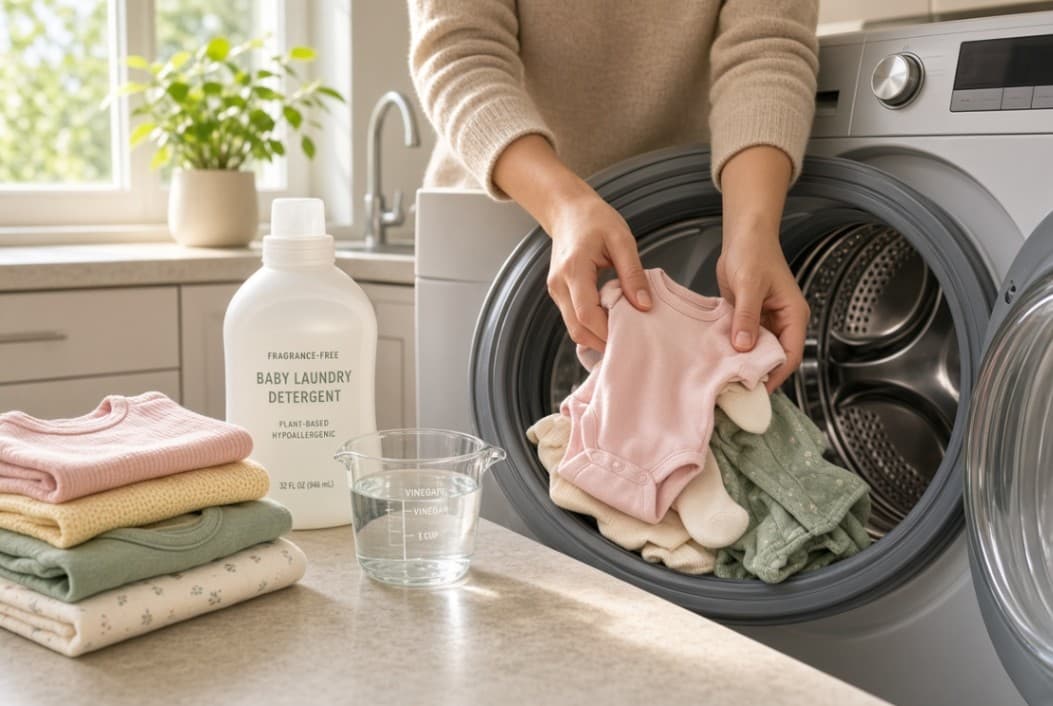
Secondhand fashion feels more valuable when the first clean is done properly. Washing helps remove odour, dust, and storage smell, and careful drying keeps fabric from becoming stiff or faded. For delicate items, gentle handling matters more than aggressive scrubbing.
A simple care routine can look like this:
For shoes and bags, wiping the inner and outer surfaces, then allowing full drying, helps preserve shape. For jewellery, a soft cloth and dry storage reduce rust and dullness. The cleaner the item, the longer it stays useful, which is one reason secondhand shopping connects so naturally with circular fashion.
Not every thrift item has the same value. Some pieces become better buys because they are easier to repair, easier to style, or better suited to Kano’s everyday climate. Light fabrics, breathable shirts, modest layering pieces, and strong footwear often get more use than flashy items that are hard to pair.
Here is a practical quality guide:
| Item | Good signs | Warning signs |
|---|---|---|
| Clothes | Strong seams, clean collar, even hem | Underarm stains, torn lining, faded patches |
| Shoes | Firm sole, intact insole, clean stitching | Cracked sole, bad smell, broken heel |
| Bags | Working zip, strong handles, neat lining | Torn corners, peeling base, loose straps |
| Jewellery | Secure clasp, even colour, complete set | Rust, missing stones, weak closure |
If two items are close in price, the one with fewer repair needs generally gives more value. That is especially important for students and workers shopping on a budget, because small repairs can quickly add to the real cost of an item.
Kano shoppers often think about clothing in terms of dignity, climate, occasion, and durability. That means thrift shopping is not only about low cost; it is also about getting clothes that feel appropriate for school, market work, gatherings, and everyday movement in a hot city. In this setting, modest silhouettes, breathable fabrics, and clean tailoring often matter more than seasonal fashion trends.
This is one reason Sabon Gari remains relevant. It gives buyers a way to find practical pieces without depending entirely on new retail pricing. It also reflects how secondhand fashion has become part of everyday consumption across Nigeria and other African markets.
If you are comparing two shirts, one at ₦2,000 and another at ₦3,500, the lower price is not automatically the better deal. The ₦3,500 shirt may be the better option if the stitching is stronger, the collar sits well, and the fabric still holds shape after washing. The same logic applies to shoes: a pair with intact soles and firm inner support often outlasts a cheaper pair with hidden wear.
Another useful example is bags. A bag with a working zip and strong handles can serve longer than a more fashionable one with cracks at the corners. In thrift shopping, usefulness often beats appearance once you start wearing the item regularly.
A market guide becomes more useful when it reflects real shopping habits. Many buyers in Northern Nigeria prefer to inspect first, ask a direct price, and then compare nearby stalls before paying. That approach reduces regret because it gives you a clearer sense of what the market considers fair on that day.
Keep these habits in mind:
These habits are also useful in peer-to-peer resale settings because they help you recognize honest listings, realistic pricing, and item conditions that are easy to verify.
Secondhand trade extends the life of clothing and delays disposal, which is one of the main reasons it fits circular fashion thinking. Research on the sector shows that used clothing trade in Africa is large, active, and deeply linked to both consumer access and environmental concerns. That means every garment that gets reused can reduce immediate waste, even though the wider system still has trade and disposal challenges.
For Nigeria, the practical lesson is that circular fashion works best when buyers keep items in use for as long as possible. Repair, rewear, swap, donate, and resell are all part of that loop. A market like Sabon Gari becomes part of that system because it helps clothes move from one life stage to another.
If you later want to list items instead of only buying them in person, Threddo.com.ng gives you a free WhatsApp-first way to post secondhand clothes, shoes, bags, jewellery, hair, and accessories with direct buyer contact and no in-app payment layer. That format can complement market shopping by helping you compare prices, share listings, and keep trading simple through safety guidance and current listings.
Sabon Gari Market in Kano works as a practical thrift destination because it combines variety, inspection, bargaining, and everyday usefulness in one place. If you shop with a checklist, compare condition before price, and clean items properly after purchase, you can turn secondhand buying into a reliable part of your wardrobe routine. This article is for educational purposes only and does not constitute professional advice. Always follow safe trading practices and use your own judgement.