T
Loading…
Loading…
Last Updated: September 2026
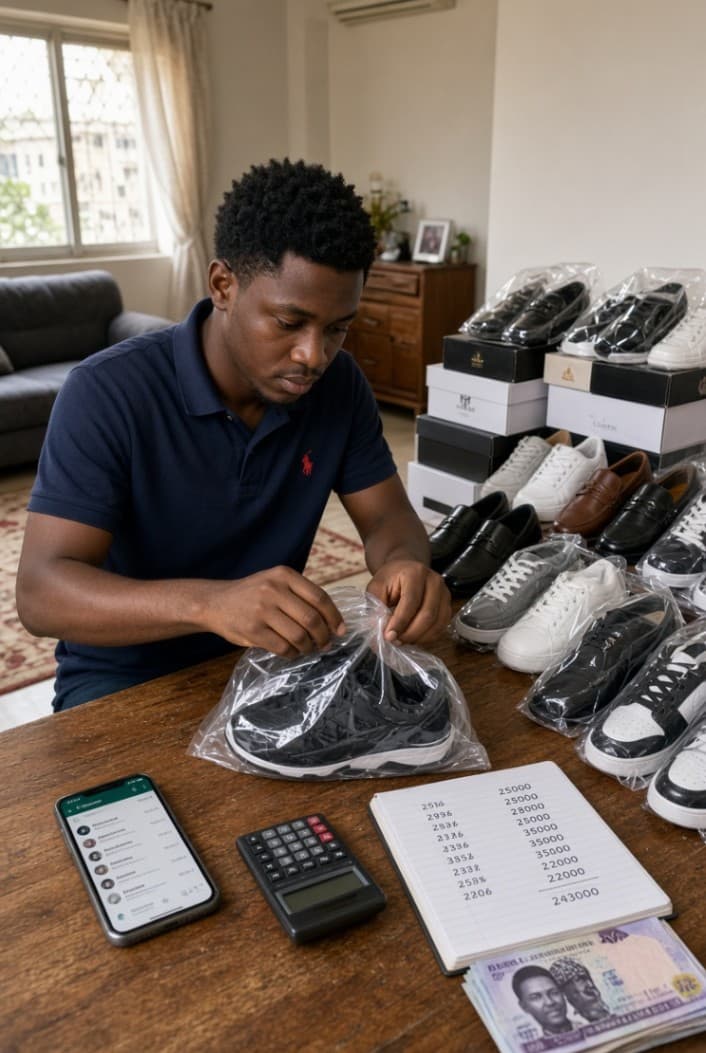
Starting a shoe reselling business in Nigeria can begin with a small amount or a larger stock budget, depending on whether you are flipping thrift pairs, selling new shoes, or running both together. From a practical point of view, the real startup capital is not only the cost of shoes; it also includes sourcing, cleaning, transport, packaging, phone data, and delivery coordination.
When I break shoe reselling into real costs, I look at five parts: stock, sourcing, presentation, marketing, and movement. This matters because many beginners count only the purchase price of the shoes and later discover that transport, photos, cleaning, and customer follow-up also take money.
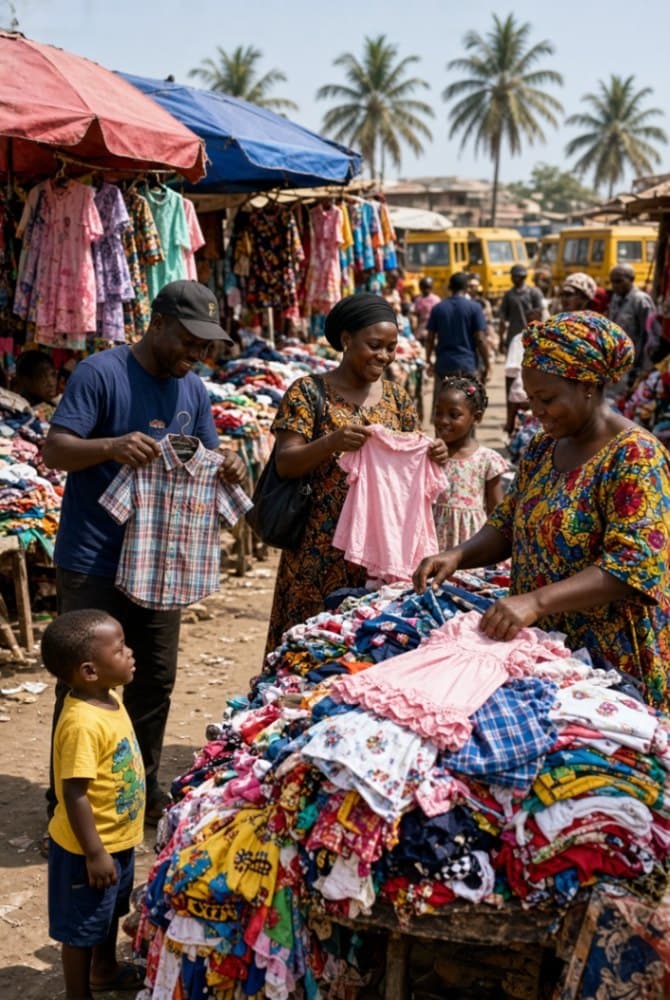
The second-hand market in Africa is large and active, and Nigeria remains one of the major import and resale hubs in the region, which helps explain why thrift trade remains visible across local markets and online channels. That does not automatically make the business easy, but it does show that buyers already understand value-driven footwear shopping.
For a simple start, I divide shoe reselling into three entry levels. These are practical ranges, not fixed rules, because shoe type, location, and supplier pricing can change the numbers.
| Starting level | Typical capital range | What it can cover |
|---|---|---|
| Micro start | ₦20,000–₦50,000 | 2–8 thrift pairs, basic cleaning materials, transport, and data |
| Small start | ₦50,000–₦150,000 | 8–20 thrift pairs or a mix of thrift and new shoes, better photos, delivery support |
| Medium start | ₦150,000–₦500,000+ | Larger stock variety, branded packaging, more supplier options, and faster restocking |
These ranges work because shoes can be sourced at very different price points in Nigeria. A pair of thrift sneakers may be found far below the price of a new branded pair, while leather shoes, office loafers, children’s shoes, and heels often sit in different pricing bands depending on condition and demand.
A realistic way to estimate capital is to build from the bottom up. The table below shows how a small start can be structured.
Have something to give away or sell?
Post your first listing — it only takes a couple of minutes.
| Item | Estimated cost |
|---|---|
| 5 thrift shoe pairs at ₦3,000–₦6,000 each | ₦15,000–₦30,000 |
| Cleaning supplies | ₦2,000–₦6,000 |
| Transport to market/supplier | ₦2,000–₦8,000 |
| Photo background or basic listing prep | ₦1,000–₦5,000 |
| Mobile data and customer follow-up | ₦2,000–₦5,000 |
| Cushion for price negotiation | ₦3,000–₦10,000 |
| Total | ₦25,000–₦64,000 |
This kind of split is useful because the trader can see where money goes before placing the first order. It also reduces the chance of overbuying shoes that do not move quickly.
Different shoe categories move at different speeds, so capital planning is easier when you group stock by type. In many Nigerian cities, casual sneakers and everyday flats tend to attract broader demand, while corporate shoes and occasion heels may sell at higher margins but move more slowly.
| Shoe category | Common resale price range |
|---|---|
| Thrift sneakers | ₦5,000–₦20,000 |
| Corporate shoes/loafers | ₦6,000–₦25,000 |
| Sandals/slippers | ₦3,000–₦12,000 |
| Heels | ₦5,000–₦18,000 |
| Children’s shoes | ₦3,000–₦10,000 |
| Branded or premium pairs | ₦15,000–₦60,000+ |
A useful habit is to match stock to buying behavior in your market. Students often respond well to affordable sneakers and casual wear, while office workers and event buyers may search for loafers, heels, and dress shoes.
Several factors change the capital required. The first is source quality: clean, near-new pairs naturally cost more than shoes that need repairs or deep cleaning. The second is location, because sourcing from a major market in Lagos, Aba, Kano, Ibadan, or Onitsha can involve different transport and bargaining patterns.
The third is selling format. A WhatsApp-based seller with direct buyer contact may spend less on overhead than someone renting a physical space, while someone posting on multiple online channels may spend more time and data but less on rent. The fourth is product mix; a narrow focus on one category, like sneakers or female office shoes, can keep startup capital lower than stocking everything at once.
The safest way to think about capital is to work with margin, not just stock size. If a pair costs ₦6,000 all-in and sells for ₦10,000, the gross difference is ₦4,000 before transport, cleaning, and negotiation time. That margin can shrink quickly if sourcing was expensive or if delivery is absorbed by the seller.
A practical example looks like this:
This way of pricing keeps the business organized. It also helps when the same seller is balancing different shoe grades, because premium-condition pairs can carry a higher price than pairs with visible wear.
A starter shoe business works better when the first stock is limited and easy to track. Rather than buying many random pairs, a focused bundle often gives clearer feedback from buyers.
Use this checklist:
This approach is common in everyday Nigerian online resale because buyers often ask for quick confirmation, clear shoe size details, and fast replies. It also reduces the risk of mixing slow-moving stock with fast-moving stock.
Trust matters in secondhand trading because buyers cannot always inspect shoes in person before paying. Nigerian consumer-protection principles generally emphasize truthful product description, fair dealing, and protection from misleading claims, which is especially relevant when a pair is described as “new” but is actually fairly used. For footwear, that means accurate photos, correct size information, and honest condition notes are part of good trade practice, not extras.
A few simple safety habits make the process cleaner:
For secondhand hygiene, clean shoes before listing them, especially leather, sneakers, and children’s pairs. If shoes are heavily worn, damaged, or have strong odor that cannot be removed, it is more practical to separate them from normal stock and label them clearly for donation, repair, or low-cost clearance instead of presenting them as regular pairs.
The amount of capital changes with the business model you choose. Below is a practical breakdown.
| Model | Starting capital | Notes |
|---|---|---|
| Thrift-only reselling | ₦20,000–₦100,000 | Low entry cost, faster turnover if stock is selected well |
| New shoes only | ₦80,000–₦300,000+ | Higher upfront cost, easier sizing consistency, stronger branding opportunities |
| Mixed thrift and new | ₦50,000–₦250,000+ | Flexible model, useful for testing demand across price points |
| Donation-to-resale clearance | ₦10,000–₦30,000 | Small cash need, but sorting and cleaning take time |
If the goal is to learn the market first, a thrift-only or mixed model can reveal which sizes, styles, and customer groups respond fastest. That pattern is especially useful in Nigerian cities where buyer demand can change across school seasons, festive periods, and month-end salary cycles.
Many new resellers get stuck because they spend too much on one high-priced pair before testing demand. Another common issue is failing to reserve money for transport or delivery coordination, which makes a profitable pair look less profitable after hidden costs are added.
Another mistake is carrying too many sizes without recording them properly. Since shoe size is one of the first filters buyers ask about, poor inventory notes can slow sales even when the stock is good. Good stock records are simple: style, size, condition, source price, total cost, and asking price.
A simple way to begin is to build a test batch of 5 to 10 pairs. That number is large enough to compare buyer interest but still small enough to manage without stress. You can then track which pairs generate inquiries fastest and which ones stay idle.
For example, a student in Ibadan might start with:
That setup is often enough to learn what sells locally without tying all cash into one category. It also keeps the process manageable when the business is being run alongside school or another income source.
If you are listing shoes online, a WhatsApp-first platform like Threddo can make it easier to post clean photos, add clear size details, and connect directly with buyers without extra platform fees; its safety page and listings page are useful reference points for safer trading.
The capital needed to start reselling shoes in Nigeria commonly begins around ₦20,000 to ₦50,000 for a very small thrift setup, while a more flexible small business setup can sit around ₦50,000 to ₦150,000 or higher depending on stock type and sourcing costs. The key is to count the full cost of stock, transport, cleaning, and listing preparation, not just the purchase price of the shoes. This article is for educational purposes only and does not constitute professional advice. Always follow safe trading practices and use your own judgement.