T
Loading…
Loading…
Last Updated: September 2026
Wrinkled clothes can make an outfit look unfinished, especially when you are getting ready fast or travelling without an iron. The good news is that there are several simple ways to smooth fabric using heat, moisture, and a little patience.
Wrinkles form when fabric fibres bend, fold, or get compressed, then dry in that shape. Natural fabrics like cotton and linen wrinkle more easily, while many synthetic blends hold their shape better. In humid places like Lagos, clothing can also pick up creases during washing, drying, folding, and storage.
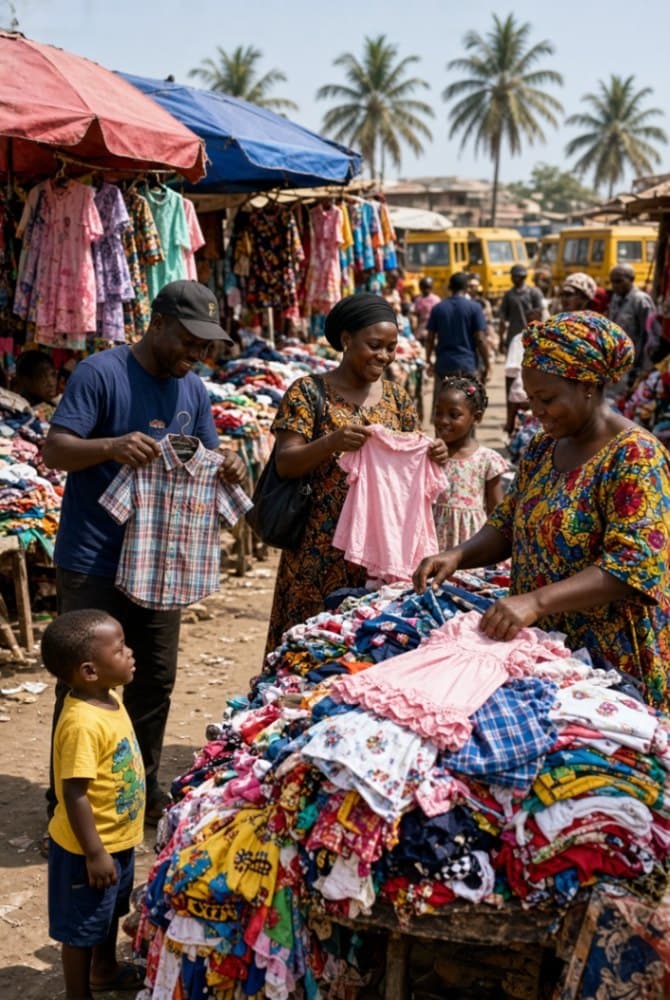
Secondhand clothes can wrinkle more because they are often packed tightly, shipped long distances, or stored for long periods before resale. That is one reason a good de-wrinkling routine matters for thrifted fashion and everyday wardrobes.
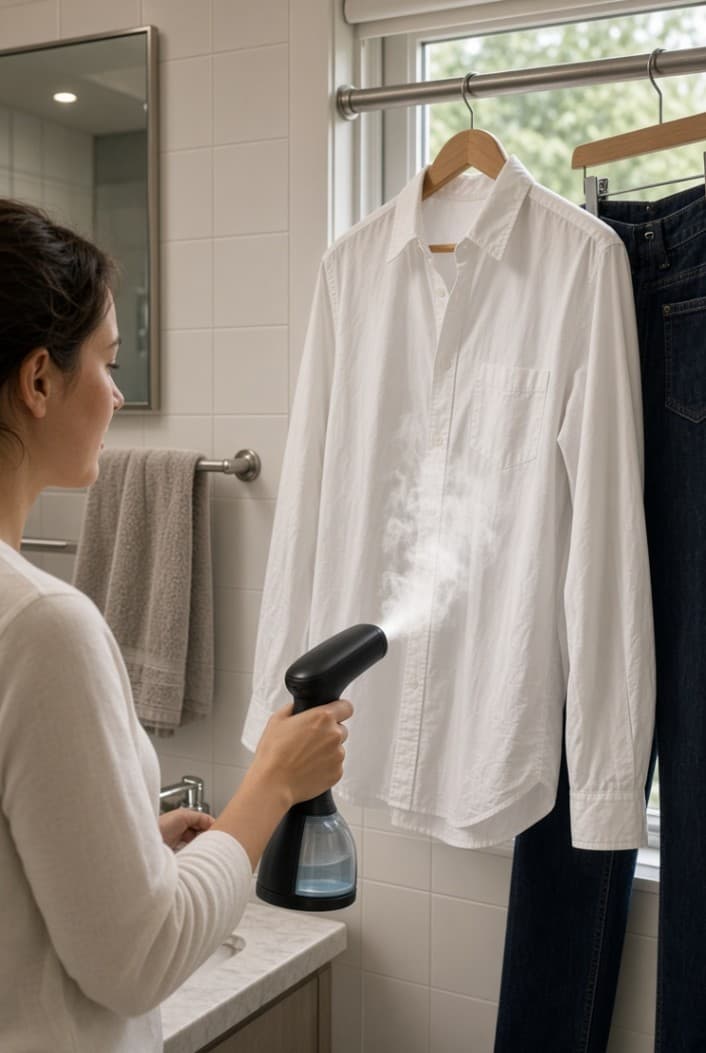
This is one of the easiest methods when you do not have an iron nearby. Hang the item on a hanger in the bathroom, close the door, and let hot shower steam relax the fibres for 10 to 20 minutes.
This works well for light to medium wrinkles on shirts, dresses, blouses, and trousers. After steaming, shake the item gently and smooth it down with your hands.
Lay the wrinkled garment flat and place a clean, slightly damp towel over it. Press the towel gently with your hands, then hang the clothing so it can air-dry fully.
This method helps release shallow creases without soaking the fabric. It is especially useful for cotton tops, school clothes, and casual wear.
Fill a clean spray bottle with water and mist the wrinkled areas lightly. Do not soak the fabric. Pull the garment taut, smooth the creases with your hands, then hang it up immediately.
This method works best for small wrinkles around sleeves, hems, and collars. It is a quick fix when you are leaving the house soon.
A hair dryer can help loosen wrinkles when used carefully. Lightly dampen the fabric first, then hold the dryer a short distance away and move it across the wrinkled sections while smoothing with your hand.
This is useful for collars, waistbands, and areas that need targeted attention. Keep the heat moderate so you do not damage delicate fabrics.
Have something to give away or sell?
Post your first listing — it only takes a couple of minutes.
If you have a dryer, place the wrinkled item inside with a few ice cubes or a slightly damp cloth for a short cycle. As the ice melts, steam forms and helps release wrinkles.
This works better on lighter garments and quick refreshes than on heavy fabrics. Remove the clothing immediately after the cycle and hang it.
Different fabrics react differently to heat and moisture. Using the wrong method can leave water marks, stretched fibres, or a shiny finish. The table below gives a practical guide.
| Fabric type | Good wrinkle-removal method | What to avoid |
|---|---|---|
| Cotton | Steam, spray bottle, hair dryer | Over-soaking, leaving bunched up while drying |
| Linen | Strong steam, damp towel | Rough rubbing, high direct heat |
| Polyester | Light steam, spray and hang | Very high heat |
| Rayon/viscose | Gentle steam, light misting | Heavy soaking and aggressive pulling |
| Wool | Steam from a distance | Direct heat and wringing |
| Silk | Very light steam only | Water spraying in visible spots, hot air too close |
If you are unsure, start with the gentlest method first. A low-risk approach is more useful than trying to force wrinkles out quickly.
Some methods are more practical than others depending on where you are and what tools you have. Here is a simple comparison.
| Situation | Best option | Time needed | Cost |
|---|---|---|---|
| Getting ready at home | Steamy bathroom | 10–20 minutes | Free |
| One shirt before a meeting | Spray bottle + hanger | 5–10 minutes | Low |
| Travelling without an iron | Hair dryer | 5–10 minutes | Free if available |
| Many clothes at once | Dryer with damp cloth | 10–15 minutes | Medium if electricity is used |
| Delicate fabric | Light steam | 10 minutes | Free to low |
For students, working parents, and people moving around Lagos traffic, the fastest solution is often not the fanciest one. A hanger, a spray bottle, and a bit of steam can save time and still give a neat result.
A few common habits can make clothes look more creased instead of less. Leaving wrinkled clothes folded in a pile after washing usually locks in the creases. Over-wetting fabric can also create water spots and new fold lines.
Rubbing the garment hard with a towel may distort the weave, especially on rayon, silk, and thin polyester. Using very high heat too close to the fabric can leave shiny marks or weaken the fibres. It is safer to work gradually.
Secondhand clothing often needs a refresh before wear, especially after transport or storage. A practical routine is to unpack the item, shake it out, hang it for a short while, and use steam or light misting if needed. This helps restore shape without overhandling the fabric.
For thrifted shirts, dresses, and trousers, I find it helpful to do a quick fabric check first. Cotton and linen usually respond well to moisture-based methods, while delicate or blended materials need lighter treatment.
Use this checklist when you need a fast finish:
A useful example: if a cotton shirt is creased after washing, you can hang it in the bathroom while you shower, then give it a light hand-smooth and leave it on the hanger to finish drying. That often removes enough wrinkles for a clean everyday look.
Wrinkle care is part of garment care, especially when clothes are bought, swapped, or donated. Proper handling helps garments last longer and keeps them ready for reuse. That supports circular fashion because clothes stay in use instead of being discarded early.
If a garment has care labels, follow the fabric instructions first. Those labels are there to reduce damage during washing, drying, and pressing. For secondhand pieces without clear labels, start with the least aggressive method and move up only if needed.
On Threddo, a simple listing with a clear photo and a note on fabric condition can help buyers understand whether a piece needs steaming or gentle handling. You can pair that with a practical safety guide like Safety or browse Listings when comparing styles.
Some creases are temporary, but others may come from permanent wear, stretched seams, or fabric damage. If a garment stays sharply creased even after steaming, the fibres may be fatigued or the item may have lost structure. In that case, a gentler care routine may still improve its appearance, but it may not look fully crisp.
For items like blazers, structured dresses, and formal shirts, paying attention to the shoulders, cuffs, and seams matters. These areas shape how polished the whole outfit looks.
Learning how to remove wrinkles from clothes without an iron is useful for home, travel, and thrifted fashion care. The most practical methods are steam, light misting, a damp towel, and careful use of a hair dryer, with fabric type guiding the choice.
This article is for educational purposes only and does not constitute professional advice. Always follow safe trading practices and use your own judgement.