How to Remove Smell from Secondhand Clothes: A Practical Nigeria Thrift Guide
Evelyn John·
How to Remove Smell from Secondhand Clothes: A Practical Nigeria Thrift Guide
That “thrift smell” can be the first thing you notice when you bring home okrika or preloved pieces. It often comes from storage, bale packing, long transit, or mildew in humid conditions. The good news: most odours lift with the right wash routine, fabric-safe additives, and drying method. This guide walks you through proven, Nigeria-friendly ways to remove smell from secondhand clothes without ruining colours or fibres.
Last Updated: September 2026
Why Secondhand Clothes Develop Strong Odours
Understanding the source helps you choose the right fix.
Bale packing and long storage: Clothes compressed in bales for weeks can trap stale, musty smells, especially synthetics and heavy knits.
Humidity and mildew: In places like Ibadan, Lagos, or Port Harcourt, damp storage encourages mildew, which leaves a sour, earthy odour.
Perfume and smoke masking: Some sellers spray strong perfumes or smoke items to “freshen” them; this can mix with body oils and create a cloying smell.
Sweat and body oils: Underarm areas, collars, and waistbands hold oils that oxidise and smell over time.
If an item smells sharply of chemicals, petrol, or rot, it may be safer to avoid using it on skin or children’s wear.
Quick Pre-Wash Checklist (Before You Soak Anything)
Use this before any washing to avoid setting stains or odours.
Check the care label: Look for symbols on wash temperature, bleach, and dry methods.
Spot-test additives: Test vinegar, baking soda, or detergent on a hidden seam for colourfastness.
Separate by fabric and colour:
Whites and light colours
Darks and brights
Delicates (silk, lace, chiffon)
Heavy items (jeans, jackets, hoodies)
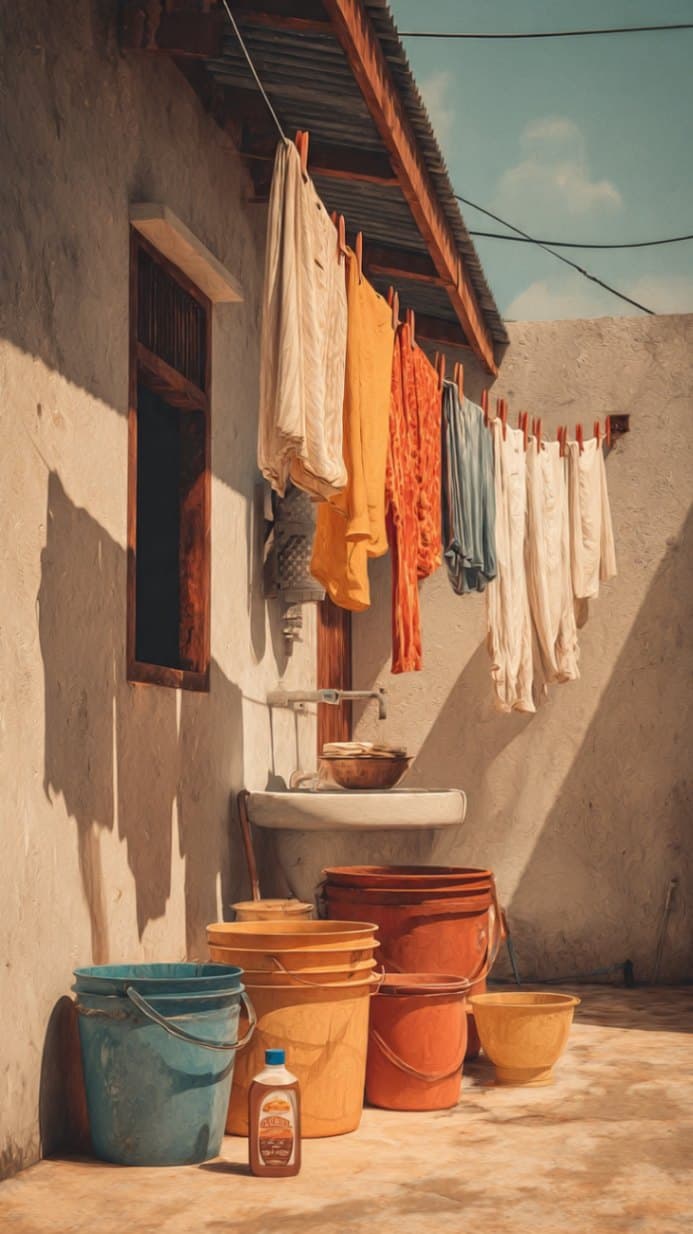
Shake and air out: Hang items outside in shade for 30–60 minutes to release trapped bale smell before washing.
Empty pockets and remove detachable trims: This prevents colour bleed and damage.
Core Methods to Remove Smell from Thrift Clothes
These methods work well with Nigerian water conditions, common detergents, and local climate.
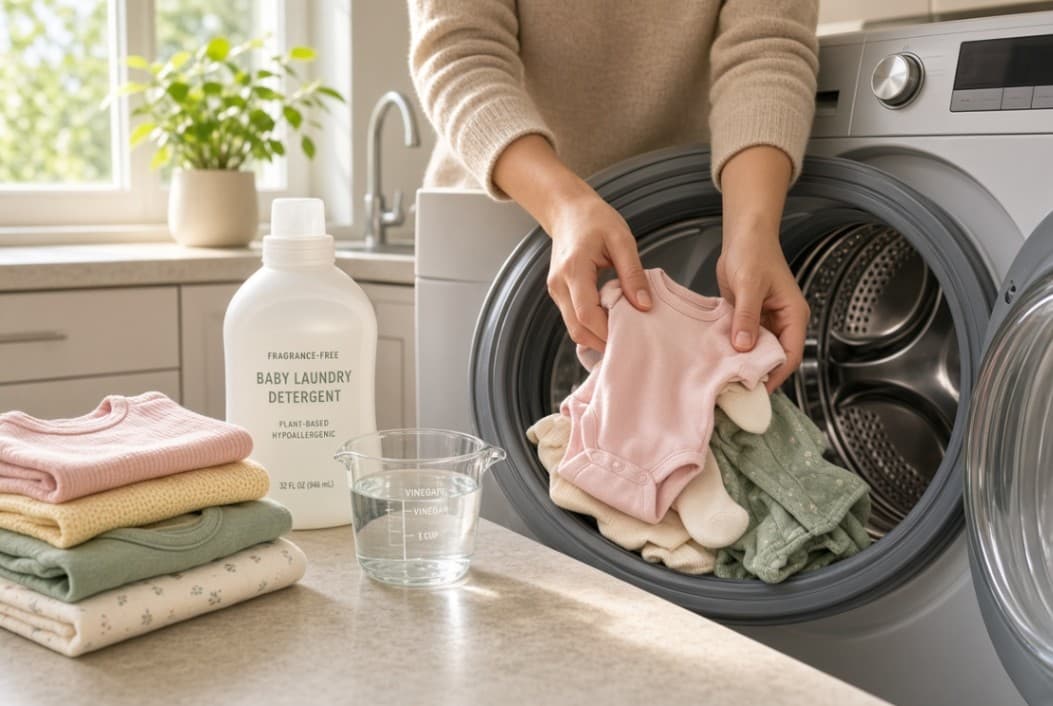
1. White Vinegar Soak (Great for Musty and Mildew Smells)
These are approximate retail prices for common household items in Nigeria; actual prices vary by brand, location, and pack size.
Item
Typical Use per Load
Approx. Cost Range (₦)
Notes
White vinegar (500 ml)
½–1 cup per soak
₦800–₦2,000 per bottle
Reusable for many loads; good value for odour removal.
Baking soda (500 g)
½–1 cup per wash
₦600–₦1,500 per pack
Also useful for cleaning and deodorising shoes and bags.
Standard laundry detergent
As per label
₦1,200–₦4,500 per 1–2 kg
Choose colour-safe or enzyme-based depending on need.
Fabric softener (optional)
As per label
₦1,000–₦3,500 per 1–2 L
Use lightly; heavy softener can trap smells on some fabrics.
Activated charcoal bags
1–2 per wardrobe section
₦2,000–₦6,000 per set
Lasts months; refresh by sun-drying as instructed.
How to Keep Thrift Clothes Fresh After Cleaning
Prevention is easier than fixing strong smells later.
Store in dry, ventilated spaces: Avoid damp corners, especially in rainy season. Use dehumidifiers or silica gel in wardrobes if needed.
Don’t store slightly damp clothes: Even a little moisture can lead to mildew and that “old wardrobe” smell.
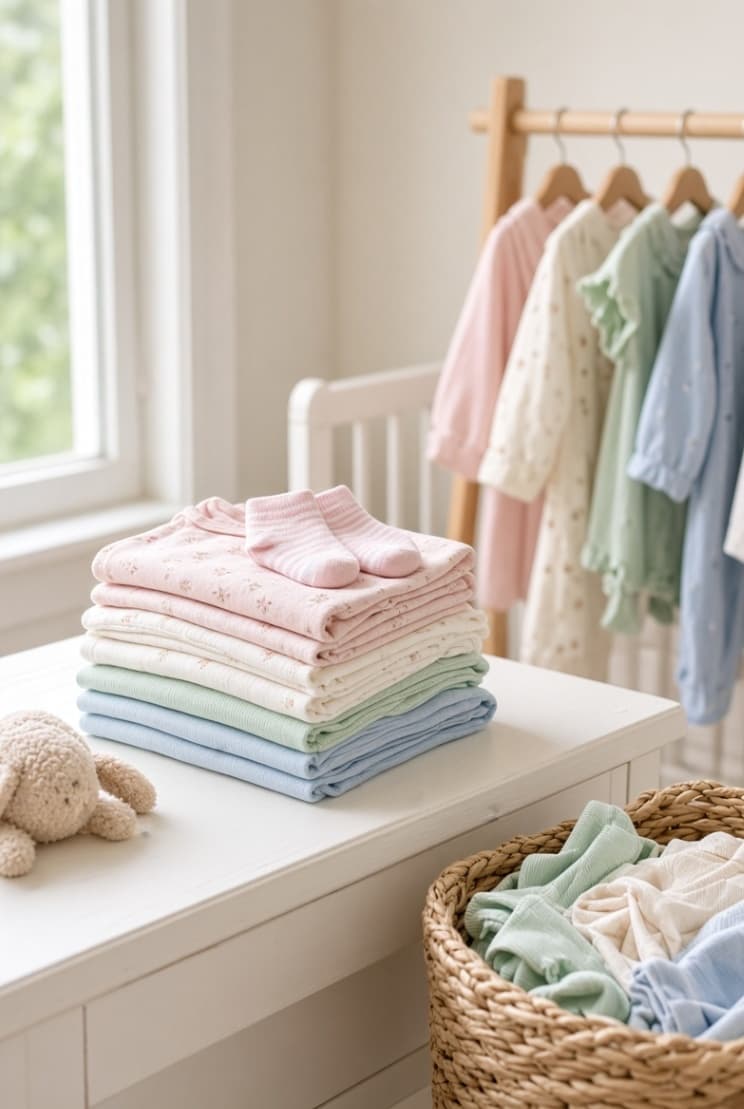
Air out new thrift items before storing: Hang them for a few hours after washing and drying to ensure they’re fully fresh.
Rotate your wardrobe: Regularly wearing and airing clothes reduces stale odours compared to long-term storage.
Use light, breathable garment bags: Avoid sealing clothes in non-breathable plastic for long periods unless they’re fully dry and you include moisture absorbers.
Red Flags: When to Walk Away from a Smelly Thrift Item
Not every odour is fixable or safe. Watch for:
Strong chemical or petrol-like smell: Could indicate contamination or unsafe treatments.
Persistent rot or sewage odour after washing: May signal deep contamination or mold inside fibres.
Visible mold spots that don’t lift: Black or green spots that remain after cleaning can be a health risk, especially for children or people with allergies.
Overpowering perfume masking other smells: Heavy fragrance can hide sweat, smoke, or mildew; if the underlying smell returns after washing, consider discarding the item.
From a consumer safety perspective, you’re entitled to clear information about goods you buy. If you purchase from a formal retailer and encounter serious issues, Nigeria’s consumer protection framework (including guidance from the Federal Competition and Consumer Protection Commission) supports fair treatment and redress in documented cases. For informal thrift markets and online peer-to-peer trades, inspecting items carefully before payment and using safe trading practices is key.
Special Note for Sellers and Resellers
If you sell thrift or okrika items, odour control affects how quickly pieces move and how buyers perceive quality.
Wash and dry before photographing: Fresh, clean items look and smell better in person and in videos.
Store in clean, dry areas: Damp storage leads to mildew and returns/complaints.
Be transparent in listings: Mention if an item has been washed, any remaining minor smells, and fabric type.
Use simple care notes: Tell buyers how you cleaned the item and any special care instructions (e.g. “handwash cold, line dry in shade”).
Clear communication reduces disputes and builds trust, which matters in peer-to-peer markets where direct buyer–seller contact is common.
Where Threddo Fits In
If you buy or sell secondhand clothes online, platforms like Threddo (threddo.com.ng) provide a free, WhatsApp-first space to list preloved clothing, shoes, bags, and accessories with direct buyer–seller contact. When posting, you can mention your cleaning routine (e.g. “vinegar-soaked and sun-dried”) and link to basic safety tips such as Threddo’s safety guide to help both sides trade with more confidence.
Conclusion
Removing smell from secondhand clothes in Nigeria is mostly about the right soak, wash, and dry routine tailored to fabric type and odour source. Vinegar and baking soda, combined with proper detergent, warm water where safe, and good airflow, handle most thrift smells without damaging garments. Smart storage and honest descriptions keep items fresh and build trust whether you’re buying, selling, or simply enjoying okrika fashion.
This article is for educational purposes only and does not constitute professional advice. Always follow safe trading practices and use your own judgement.