T
Loading…
Loading…
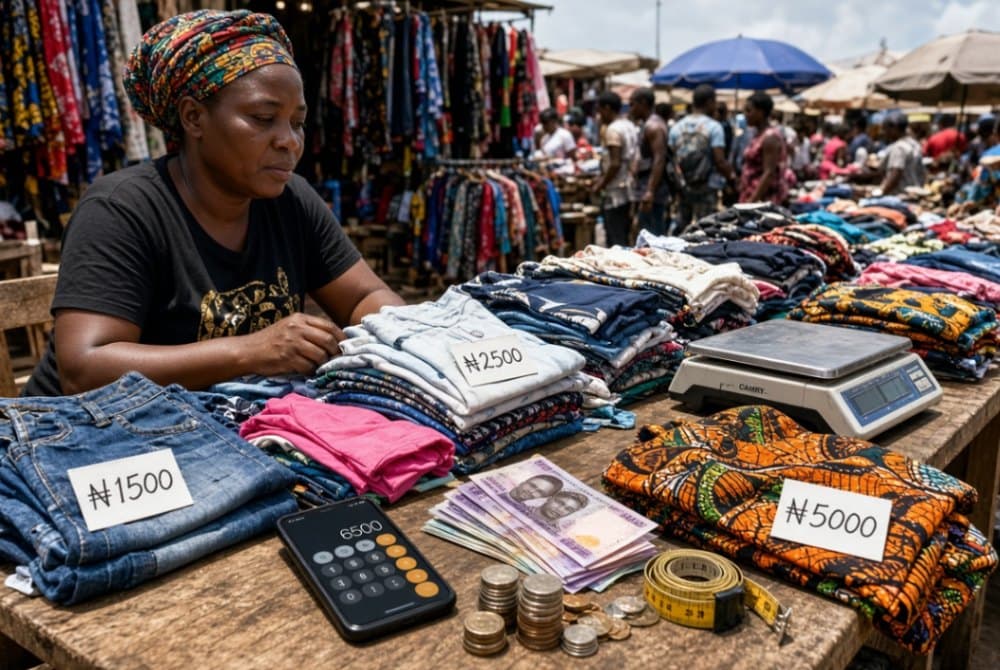
If you want your pre-loved pieces to move fast in Nigeria, pricing is the lever that matters most. Get it right and you attract serious buyers; get it wrong and your listing sits for weeks. Below is a practical, Nigeria-specific guide to pricing used clothes for quick sales—covering research, condition grading, realistic ₦ ranges, negotiation tactics, and safety.
Last Updated: August 2026
On Nigerian resale platforms and WhatsApp groups, buyers scroll quickly and compare similar items side by side. A fair, transparent price signals trust and reduces back-and-forth haggling. Underpricing can raise suspicion (“Is there a fault?”), while overpricing kills momentum and pushes buyers to the next listing. The goal is a price that reflects condition, brand, and market reality—while leaving a small buffer for negotiation.
Don’t guess. Check active and recently sold listings for the same or similar items on Nigerian platforms and WhatsApp marketplaces. Look closely at:
Tip: Average the last 5–10 comparable sold prices and use the median, not the highest asking price you see. Then price about 10–15% below that median if you want a sale within a week.
Condition drives value more than anything else. Use a simple, honest grading system so buyers know exactly what they’re getting. Under Nigeria’s Federal Competition and Consumer Protection Act, sellers must clearly disclose that goods are second-hand and avoid misleading descriptions.
Use this practical scale:
Price adjustments (rule of thumb):
Have something to give away or sell?
Post your first listing — it only takes a couple of minutes.
If you don’t know the original retail, rely on market comparables and the ranges below.
Prices vary by city, brand, and demand, but these ranges reflect what moves quickly in Lagos, Abuja, and other major markets as of 2026.
| Item Type | Condition | Fast-Sale Price Range (₦) | Notes |
|---|---|---|---|
| Basic T‑shirts (non-branded) | Good–Very Good | ₦800–₦2,500 | Plain tees at the lower end; graphic/brand at higher end |
| Branded T‑shirts (Zara, H&M, Nike, etc.) | Very Good–Excellent | ₦2,500–₦6,000 | Strong brands hold value better |
| Jeans (everyday brands) | Good–Very Good | ₦3,000–₦8,000 | Fit and wash matter; slim/straight sell faster |
| Premium/Denim (Levi’s, etc.) | Very Good–Excellent | ₦8,000–₦20,000+ | Rare sizes/colours can go higher |
| Dresses (casual) | Good–Very Good | ₦2,500–₦7,000 | Trendy cuts and fabrics move quicker |
| Office Wear (blazers, trousers) | Very Good–Excellent | ₦5,000–₦15,000 | Neutral colours and classic cuts preferred |
| Kids’ Clothing (sets, dresses) | Good–Very Good | ₦1,000–₦4,000 | Bundles (e.g., 3 for ₦5,000) sell fast |
| Shoes (sneakers, flats) | Good–Very Good | ₦3,000–₦12,000 | Clean soles and no odour critical |
| Bags & Purses | Good–Very Good | ₦4,000–₦15,000 | Hardware and lining condition affect price |
| Vintage/Statement Pieces | Excellent | ₦10,000–₦40,000+ | Scarcity and style drive premiums |
Notes:
If you source in bulk (e.g., bales, market runs), include all costs before setting price: purchase cost, transport, washing/steaming, packaging, and any platform or data costs. A simple working formula:
Selling Price = Cost Price + Cleaning/Packaging + Profit Margin
For everyday thrift items, many sellers target a 40–70% margin; for rare/vintage pieces, 100%+ is possible if demand is strong. Track profit per item and adjust sourcing toward categories that sell within 7 days.
Pricing is only half the battle. How you present the price affects buyer trust and speed of sale.
If an item hasn’t sold in 7–10 days, it’s likely priced too high for current demand. Drop the price by 5–10%, refresh photos, and repost. For urgent sales, price slightly below the average market rate to attract immediate interest.
Practical cadence:
Nigerian buyers expect to haggle, but you can keep control with polite, firm responses.
Set your walk-away price before chatting. If an offer is below that, decline politely and keep the listing live.
Under the FCCPA, sellers must:
Practical safety tips for online/WhatsApp sales:
If you’re listing on Threddo.com.ng, use the same pricing logic: research comparables, grade condition clearly, and set a fair ₦ price with a small negotiation buffer. Threddo’s free, WhatsApp-first setup means buyers contact you directly, so clear pricing and honest descriptions reduce back-and-forth and build trust faster. For safety basics, see Threddo’s Safety Guide before meeting buyers.
Pricing used clothes for quick sales in Nigeria comes down to three things: honest condition grading, real market data from sold listings, and clear, fair ₦ prices that leave room for negotiation. Use the ranges and steps above, adjust every 7–10 days if needed, and prioritise transparency to attract serious buyers.
This article is for educational purposes only and does not constitute professional advice. Always follow safe trading practices and use your own judgement.