T
Loading…
Loading…
Last Updated: September 2026
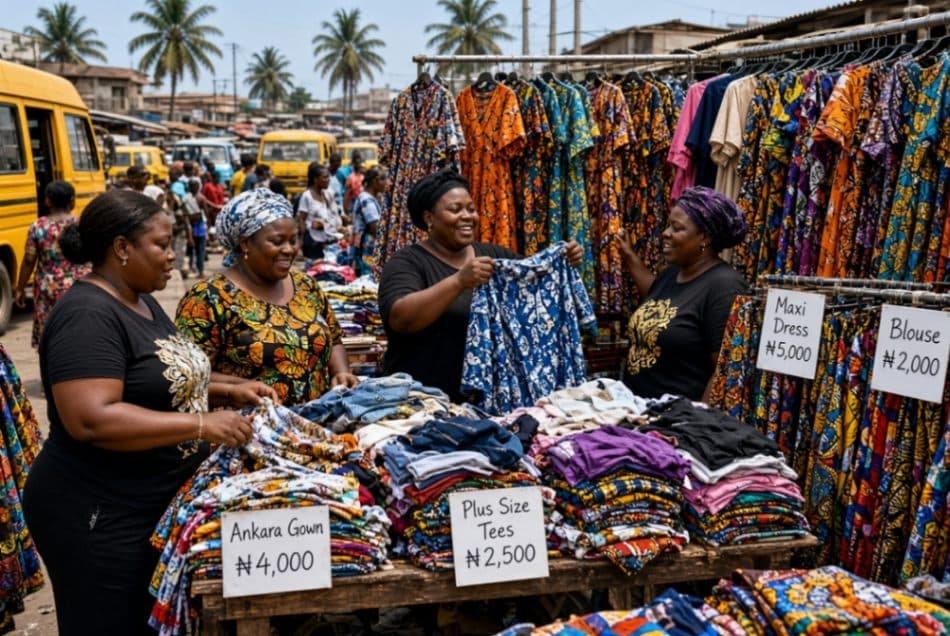
If you’re searching for plus size thrift Nigeria options, the real answer is that fit matters more than labels, and the easiest wins usually come from places where you can compare measurements, inspect fabric, and negotiate clearly. In Nigeria, that means a mix of thrift markets, WhatsApp sellers, peer-to-peer platforms, and curated thrift pages that list actual measurements instead of guessing by size tags.
Plus-size thrift shopping is not only about finding larger labels; it is about finding clothes with enough room in the bust, waist, hips, shoulders, thighs, and sleeves. In many Nigerian thrift spaces, size tags can be unreliable because garments come from different countries, brands, and body-size standards, so a “XXL” label may not fit like a local XXL.
Another thing I’ve noticed is that plus-size shoppers often get better value when sellers provide chest, waist, hip, inseam, and shoulder measurements. That reduces guesswork and helps you compare pieces across markets, because a size 18 dress and a size 18 trouser may fit very differently depending on fabric, cut, and stretch.
The most practical places to find plus-size thrift clothes in Nigeria are online marketplaces, physical thrift markets, and WhatsApp-based sellers. Each channel has a different strength, so the best choice depends on whether you want convenience, lower prices, or the ability to inspect items before paying.
| Channel | What you can find | Typical price range | What works well |
|---|---|---|---|
| Physical thrift markets | Dresses, tops, trousers, jackets, shoes, bags | ₦1,500–₦15,000 per piece | You can touch, try on, and negotiate |
| P2P marketplaces | Mixed clothing, including plus-size pieces | ₦1,000–₦20,000 per piece | Direct seller contact and wider reach |
| Curated thrift pages | Filtered listings and handpicked items | Varies by item | Better descriptions and easier browsing |
| WhatsApp sellers | Everyday thrift and donation items |
Have something to give away or sell?
Post your first listing — it only takes a couple of minutes.
| Often budget-friendly |
| Fast chats and quick questions |
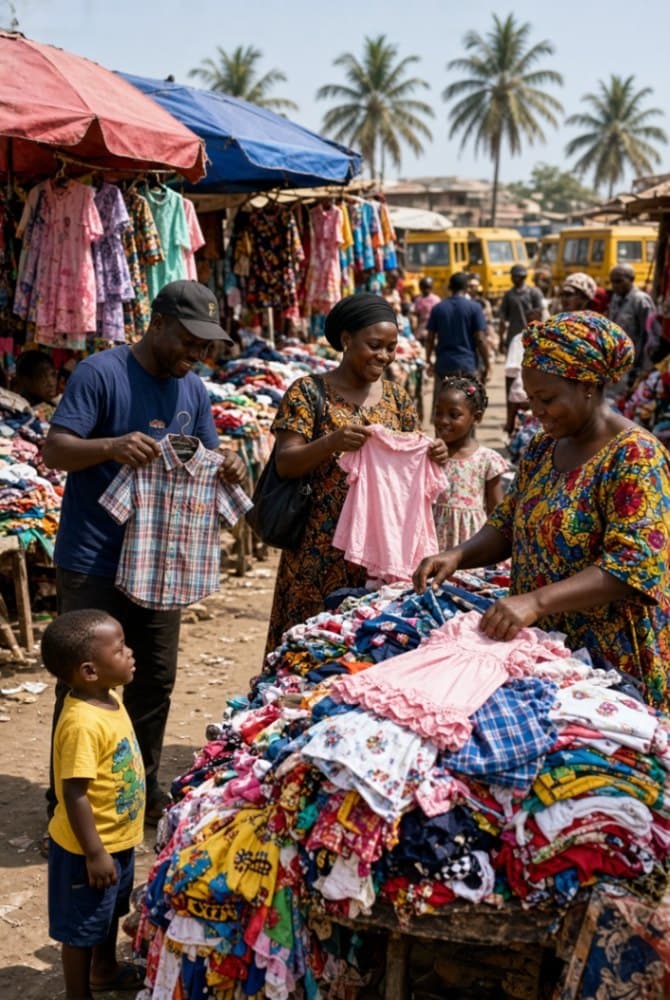
Large thrift markets and busy secondhand clusters are still useful when you want to feel the fabric and check the cut in person. The advantage is simple: you can test fit, inspect seams, and compare multiple options in one visit. The tradeoff is that you may need more time, and sizing can be inconsistent from stall to stall.
In practice, shoppers looking for plus-size thrift clothes in Lagos and other urban centres often do better when they go with a clear list: tops, dresses, trousers, and outerwear with target measurements. That keeps the visit focused and helps avoid buying items that only look good on the hanger.
Online thrift platforms can help you compare prices quickly, especially when you want broader options than one physical market can provide. Listings on Nigerian marketplaces show that plus-size clothing is widely available, with prices starting from low-budget ranges and moving upward depending on fabric and condition.
The main benefit of online browsing is access to more sellers and more sizes. The main risk is that photos may hide stains, stretched seams, or altered waistlines, so you need clear questions before committing to a trade.
WhatsApp-first marketplaces are useful because many Nigerian sellers are already comfortable using chat to share photos, measurements, and location details. Threddo’s model is built around direct buyer-seller contact, free listings, and simple trading flow without in-app payment, which can be practical for secondhand clothing searches.
For plus-size shoppers, that format works especially well when the seller can send extra photos, measurement notes, and close-ups of the waist, hem, and stretch points. It saves time and makes it easier to rule out pieces that look larger in photos than they are in reality.
The best plus-size thrift finds usually share a few simple traits: forgiving fabric, generous seams, adjustable features, and honest measurements. Stretchy knits, wrap dresses, elastic-waist trousers, oversized shirts, kaftans, maxi dresses, and A-line skirts often give more room for movement than rigid fabrics.
| Item type | Why it works for plus size | Typical thrift range |
|---|---|---|
| Wrap dresses | Adjustable waist and bust fit | ₦4,000–₦12,000 |
| Oversized shirts | Relaxed shoulders and bust room | ₦2,000–₦7,000 |
| Elastic-waist trousers | Flexible waist comfort | ₦3,000–₦9,000 |
| Maxi dresses | Easy drape over hips and thighs | ₦4,500–₦15,000 |
| Jackets and blazers | Works when cut is boxy or oversized | ₦6,000–₦18,000 |
A simple example helps: if you wear a size 18, a button-down shirt with no stretch may still fail at the bust, while an oversized shirt in a larger men’s cut may fit better through the shoulders and sleeves. That is why many plus-size thrift buyers compare measurements first and labels second.
Measurements reduce disappointment, especially in a market where clothing is imported, resold, or altered. The easiest method is to compare the seller’s garment measurements with a piece you already own that fits well, then add a small comfort allowance where needed.
Use this checklist before paying:
This method is useful because Nigerian consumer rules require sellers to give clear, understandable product information, including accurate descriptions and price details. The Federal Competition & Consumer Protection Commission also explains that consumers have rights to information, and in certain cases the right to return defective or misdescribed goods under the Federal Competition and Consumer Protection Act.
Prices vary widely depending on brand, fabric, condition, and whether the seller has already curated the item. In Nigerian thrift markets and marketplaces, plus-size pieces can start from very low prices and rise sharply when the garment is branded, tailored well, or in near-new condition.
If a seller uses vague wording like “fits 16–22,” ask for actual flat-lay measurements. That single habit often saves money because it reveals whether the item is genuinely roomy or simply styled to look oversized.
Secondhand shopping is safer when you treat every trade like a small transaction that still needs basic verification. The FCCPC states that businesses must provide information in plain, understandable language, and Nigerian consumer law also supports the right to accurate descriptions and redress when goods are unsafe or misrepresented.
Practical safety habits include:
If a seller claims the item is plus-size but refuses measurements, that is a useful warning sign. The same applies when photos are unclear, the price changes after agreement, or the seller pushes you to pay quickly without inspection.
Thrift style works best when you treat it as outfit building, not random shopping. A smart method is to choose one anchor piece, such as a wrap dress, wide-leg trouser, or oversized shirt, and then build around it with a simple bag, shoe, or accessory.
For Nigerian weather, breathable fabrics matter a lot. Cotton blends, rayon, lightweight denim, and soft knits usually feel easier in heat than heavy synthetic fabrics, especially for all-day wear in Lagos, Abuja, or Port Harcourt traffic. If the item is affordable but needs minor tailoring, local adjustment can sometimes make the fit more flattering without changing the whole look.
| What you want | Good place to start | Why |
|---|---|---|
| Everyday workwear | Online thrift sellers and curated pages | Easier filtering by size and style |
| Weekend dresses | Physical thrift markets | More chance to try on before buying |
| Budget basics | Busy thrift stalls and P2P listings | Lower starting prices |
| Statement pieces | Curated secondhand pages | Better photos and condition notes |
| Donations or free items | Community listings and donation filters | Useful for low-budget shoppers |
A useful rule is to shop from the channel that matches the item. For example, trousers and fitted dresses are easier to buy from sellers who provide measurements, while loose shirts and kaftans are easier to buy from almost anywhere because the fit is forgiving.
If you are posting or browsing secondhand clothes online, a WhatsApp-first marketplace like Threddo can make the process simpler because it encourages direct contact, public meetups, and clear item descriptions in one place. For plus-size shoppers, that matters because a complete listing with photos, price, location, and measurements is usually the difference between a good find and a wasted trip.
Plus-size thrift shopping in Nigeria works best when you focus on measurements, fabric, and clear communication rather than labels alone. The strongest options usually come from physical thrift markets, peer-to-peer listings, and WhatsApp-based sellers that share honest details and allow inspection before payment.
This article is for educational purposes only and does not constitute professional advice. Always follow safe trading practices and use your own judgement.