T
Loading…
Loading…
Last Updated: September 2026
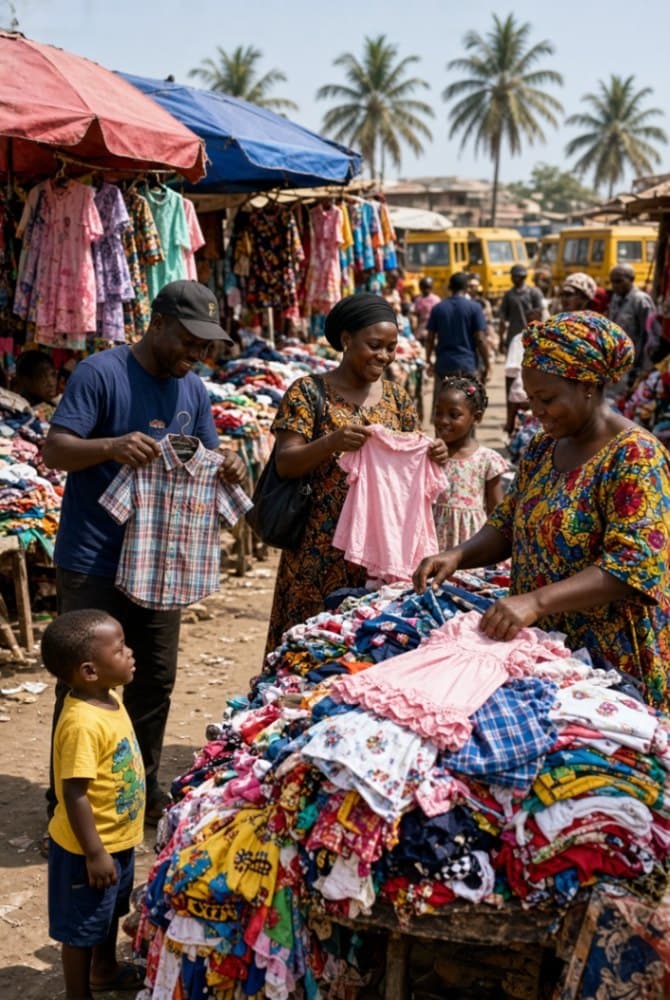
Thrift shopping in Onitsha Main Market can be a fast way to find affordable clothes, shoes, bags, and accessories if you know how to move around the market, check quality, and compare prices. Onitsha Main Market is widely described as one of Africa’s largest and busiest markets, and clothing is one of the major goods sold there.
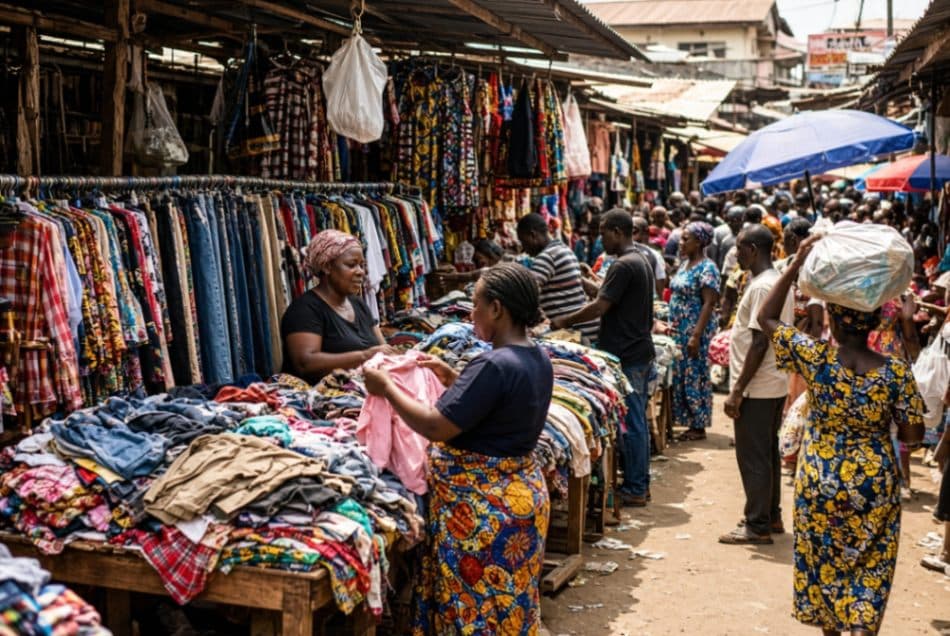
Onitsha Main Market is not a single aisle or one thrift section; it is a large commercial cluster with many lanes and traders, which is why the buying experience can feel crowded and energetic at the same time. That scale matters for thrift shoppers because you often get more choice, more price variation, and more room to compare before paying. It also means that being organised saves time and reduces confusion.
For many shoppers, the appeal is simple: lower prices, more variety, and a chance to find clothing that would cost far more in a regular boutique. Nigeria’s consumer-protection rules also support that idea of informed buying, especially on price disclosure, clear information, and the fact that used or second-hand goods should be clearly identified.
In practice, thrift shopping in Onitsha Main Market usually feels different from online shopping or mall shopping. You may encounter open displays, mixed quality, frequent bargaining, and traders who sell everything from fairly worn pieces to near-new items. Because of that mix, the item’s condition matters as much as the label or brand name.
A useful mindset is to treat each item as a separate decision. Two shirts from the same seller can differ in fabric strength, stitching, smell, fading, and repair history. Under the FCCPC’s consumer-rights guidance, second-hand goods should be disclosed clearly, prices should be clear, and consumers may examine goods before purchase where items are displayed from open stock.
These are the categories thrift shoppers often look for in the market, and each one needs a slightly different inspection method.
| Category | What to inspect | Common price range |
|---|---|---|
| Clothing | Fabric wear, underarm stains, torn seams, missing buttons, fading | ₦1,000–₦8,000 |
Have something to give away or sell?
Post your first listing — it only takes a couple of minutes.
| Shoes |
| Sole condition, insole smell, cracked leather, glue separation |
| ₦2,000–₦15,000 |
| Bags & purses | Zip function, lining tears, strap strength, corner wear | ₦2,500–₦20,000 |
| Jewellery | Tarnish, broken clasps, loose stones, skin-safe finish | ₦500–₦10,000 |
| Hair & accessories | Hygiene, packaging, completeness, whether parts are missing | ₦1,000–₦12,000 |
These ranges are practical market estimates for budgeting, not fixed prices. Actual pricing changes with brand, condition, season, and how crowded the market is on the day you go.
When I inspect thrift items, I move in the same order each time so I do not miss hidden damage. Start with the parts that fail first: seams, zips, soles, collar edges, cuffs, and underarm areas for clothing. Then check smell, stretch, lining, and whether any repair has already been done.
Under Nigerian consumer rules, buyers have rights to clear information, truthful description, and examination of goods before completing a transaction when products are displayed from open stock.
Bargaining is normal in many Nigerian open markets, but the process works better when you first know the item’s condition and your own budget. The FCCPC says prices should be disclosed clearly, and businesses should not use misleading information or unfair practices. That gives you a reason to ask direct questions such as whether an item is worn, repaired, or imported.
A simple approach is to compare at least three stalls before buying. If you see the same type of shirt in different qualities, note the fabric, the fit, and the level of wear, then compare price against condition rather than brand alone. In busy markets like Onitsha, the same item can move fast from one seller to another, so calm comparison often matters more than speed.
Crowded markets create opportunities for great deals, but they also make it easier to rush into a bad purchase. The FCCPC’s guidance on second-hand goods and sales records is relevant here: used goods should be identified clearly, and written records can be requested where practical. For thrift buyers, that means asking questions before paying and keeping proof of the transaction when possible.
Practical safety checks include:
If a seller gives vague answers or refuses inspection, that is useful information. Consumer-rights guidance in Nigeria places value on fair dealing, accurate descriptions, and the right to reject goods before completing a transaction where possible.
A thrift trip works better when it has structure. I usually think in three stages: prepare, inspect, and confirm. That helps you avoid impulse buying and keeps you focused on value.
This approach is especially useful for students, young professionals, and anyone shopping on a tight budget in Lagos, Anambra, or elsewhere in Nigeria. It keeps the trip practical instead of overwhelming.
Good thrift value is not always the cheapest item on the table. In practice, value shows up when a lower-priced item still has strong fabric, clean finishing, usable zips, and little sign of hidden damage. A shirt that costs ₦2,500 but lasts through many washes can be better value than a ₦1,500 piece that frays quickly.
Look for:
This is where thrift shopping connects to sustainability. Circular fashion works best when clothing stays in use longer, and that reduces waste from fast turnover and premature disposal.
The market can reward patience, but a few red flags are easy to notice. Avoid items with heavy odour, deep stains, cracked soles, broken zips, or signs of damp storage. Also avoid paying quickly for “rare” pieces when the seller will not let you inspect them.
Watch for:
Nigerian consumer law requires truthful information, clear disclosure of second-hand status, and protection against misleading practices.
Imagine you find two denim jackets in Onitsha Main Market. Jacket A costs ₦6,000, has strong seams, no smell, and only light fading. Jacket B costs ₦4,000, but the zip sticks, the cuffs are frayed, and one sleeve has a hidden stain.
On paper, Jacket B is cheaper. In practice, Jacket A may give better value because the repair cost and shorter lifespan are lower. That is the kind of calculation thrift shoppers in Nigeria often make, especially when shopping for everyday wear rather than display pieces.
Respectful behaviour makes the trip smoother for everyone. Keep your questions brief, examine items without tossing them around, and return things neatly after checking them. Sellers are more likely to engage openly when the interaction feels orderly.
A few practical habits help:
These habits matter in large commercial spaces like Onitsha Main Market, where volume and pace can rise quickly.
If you want a WhatsApp-first place to post secondhand clothes, shoes, bags, jewellery, hair, and accessories in Nigeria, Threddo.com.ng is built for direct buyer-seller contact and free listings, which can complement market shopping when you are comparing local options. The platform’s category structure and donation filters also fit the same circular-fashion idea that thrift shopping supports.
Thrift shopping in Onitsha Main Market works best when you combine patience, inspection, and clear price checks. Nigeria’s consumer-rights framework supports informed buying, especially around price disclosure, second-hand goods, and the right to examine goods before purchase.
This article is for educational purposes only and does not constitute professional advice. Always follow safe trading practices and use your own judgement.