T
Loading…
Loading…
Last Updated: September 2026
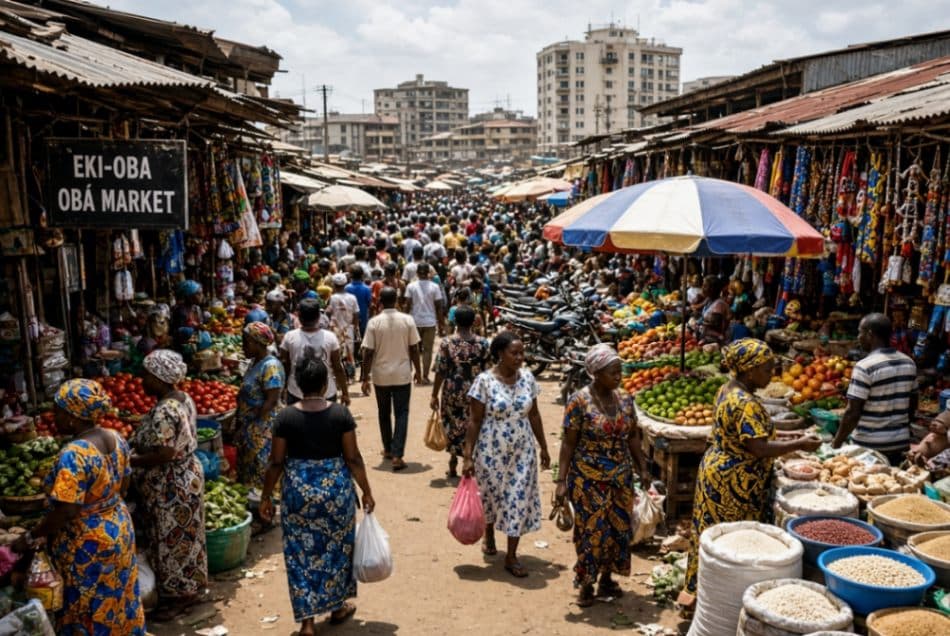
Oba Market in Benin City is one of the city’s busiest traditional trading hubs, and a visit there usually means crowds, variety, bargaining, and fast-moving commerce. If you want to shop for clothing, household items, or secondhand fashion, it helps to arrive with a clear plan and realistic expectations.
Oba Market is typically lively, noisy, and packed with traders and buyers moving through narrow walkways and clustered stalls. That atmosphere can feel overwhelming at first, but it also means you are likely to find a wide range of goods in one place. In markets like this, prices are often flexible, especially when you compare multiple stalls before buying.
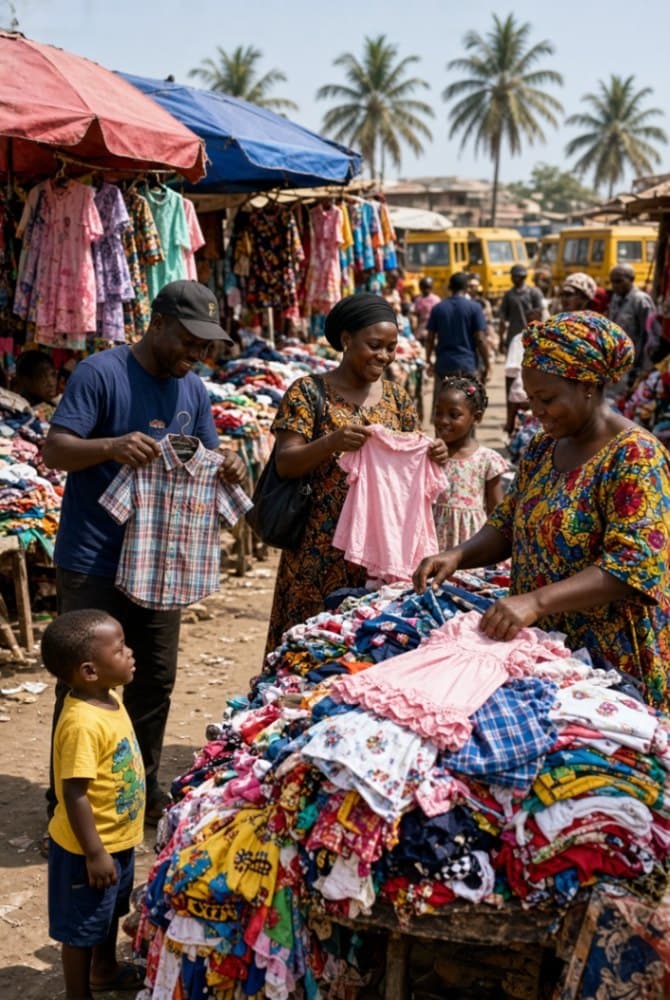
For secondhand shoppers, the market style matters because items may be displayed differently from modern retail stores. You may see goods sorted by category, hung on rails, stacked in basins, or spread on tables. The pace is quick, so the more specific you are about size, condition, and budget, the easier your search becomes.
Oba Market is known for general market trade, so the exact mix of goods can change by section and by day. In a large Nigerian market like this, you can usually expect everyday essentials, fashion items, and accessories alongside household products.
If you are shopping for pre-owned fashion, the key is to inspect condition rather than assume all items in a stall are the same quality. Imported secondhand clothing trade remains a major part of the broader fashion economy in Africa, and research has shown that West African countries, including Nigeria, are major importers in this market. That means buyers in places like Benin City often have access to a constant flow of low-cost used clothing, though quality varies widely by batch.
Prices in open markets can shift based on condition, brand, demand, and your bargaining skill. For secondhand fashion, the strongest pricing clue is often the item’s condition rather than the label. A clean, gently used item usually sells differently from one that has fading, stretching, or repairs.
Have something to give away or sell?
Post your first listing — it only takes a couple of minutes.
| Item type | Common market range |
|---|---|
| Plain used T-shirt | ₦1,500–₦4,000 |
| Used jeans | ₦3,000–₦8,000 |
| Used dress or blouse | ₦2,500–₦10,000 |
| Used shoes | ₦4,000–₦15,000 |
| Bags and purses | ₦3,000–₦20,000 |
| Jewellery and accessories | ₦1,000–₦10,000 |
These ranges are practical rather than fixed, because market pricing changes with season, stock quality, and location within the market. In many Nigerian markets, sellers often quote higher opening prices, and the final amount depends on negotiation and how urgently the seller wants to move the item.
Bargaining is part of normal market culture in many parts of Nigeria, and Oba Market is no exception. The process usually works better when you ask for the price first, compare nearby stalls, and keep your tone calm and respectful. I find that the strongest bargaining position comes from knowing your own ceiling before you start.
A simple approach looks like this:
This approach helps because market goods are often sold under conditions where price is not displayed publicly. That makes comparison shopping one of the most useful habits for buyers in crowded market settings.
Busy markets require extra attention to safety, especially where cash, mobile phones, and personal bags are involved. The Nigerian Consumer Protection framework emphasizes fairness, transparency, and protection from misleading trade practices, which is useful when you are dealing with informal market transactions. In practical terms, that means checking goods carefully before payment, keeping receipts if available, and confirming the agreed price before handing over money.
A few useful habits include:
For imported or packaged items, product safety also matters. Where goods are sealed or resemble regulated consumer products, buyers sometimes look for proper labeling and, where applicable, NAFDAC-related compliance indicators for relevant product categories. That does not apply to every item in a fashion market, but it is useful when the product falls under regulated consumer goods.
Secondhand shopping in a market like Oba Market works best when you inspect the item like a buyer who plans to wear it often, not just once. The value of used clothing comes from condition, fit, and durability. Research on the secondhand trade shows it is a major part of clothing flows into Africa, but quality varies and not every import batch is equally usable.
If you are buying for regular use, a quick try-on or a careful size check saves more money than a low sticker price does. A cheaper item that cannot be worn comfortably is rarely a good purchase, even in a bargain-heavy market.
A market visit goes more smoothly when you dress for movement and heat. The market environment is often crowded and warm, so light clothing and comfortable footwear make a real difference. A small crossbody bag or secure backpack is easier to manage than a loose handbag.
Bring these practical items:
These small preparations reduce stress and make it easier to compare prices without rushing. They also help when you want to revisit a stall after checking several others first.
If you are buying, the market rewards patience, clarity, and direct questions. If you are selling, clean presentation, clear pricing, and honest descriptions usually make trading smoother. In Nigeria’s secondhand economy, trust matters because buyers often rely on what they can see and touch before paying.
These habits reduce confusion and improve the overall trading experience for both sides.
Oba Market also fits into a wider conversation about circular fashion in Nigeria and Africa. Secondhand trading extends the life of clothing, which can reduce immediate waste and make fashion more affordable for price-conscious buyers. At the same time, studies of the sector note that imported secondhand clothing can also create disposal challenges and pressure on local waste systems when poor-quality items dominate the market.
That means the most practical approach is simple reuse, repair, and careful selection. Buying fewer but better-condition items usually works better than collecting low-grade garments that will quickly become waste. In everyday terms, a garment that can be worn several more times offers more value than one that only looks cheap at checkout.
A buyer in Benin City looking for a casual weekend outfit might visit Oba Market with a budget of ₦10,000. That budget could cover a used shirt, a pair of trousers or jeans, and a basic accessory if the items are in decent condition and the buyer compares stalls carefully. A person shopping for shoes may spend more, especially if the sole, upper, and lining are still strong.
This kind of budgeting matters because the market does not usually advertise fixed bundle pricing in the way online stores do. It helps to separate “looking affordable” from “being worth the price,” especially for secondhand items with visible wear.
For people who also trade secondhand fashion online, a simple listing with clear photos, honest condition notes, and direct contact details can save time; Threddo’s WhatsApp-first setup fits that kind of practical, low-friction listing style well.
The secondhand clothing trade is widely documented as a major flow into Africa, with West African import markets playing a large role in circulation and resale. Sustainability research also shows that secondhand shopping can extend garment life, even though the broader system has environmental trade-offs when low-quality imports and disposal problems are ignored. Consumer-facing market practice in Nigeria works best when buyers inspect goods carefully, compare prices, and keep payment clear and simple, which aligns with the general protections and fairness principles in Nigerian consumer guidance.
This article is for educational purposes only and does not constitute professional advice. Always follow safe trading practices and use your own judgement.