How to Make Money as a Student During ASUU Strikes
Evelyn John·
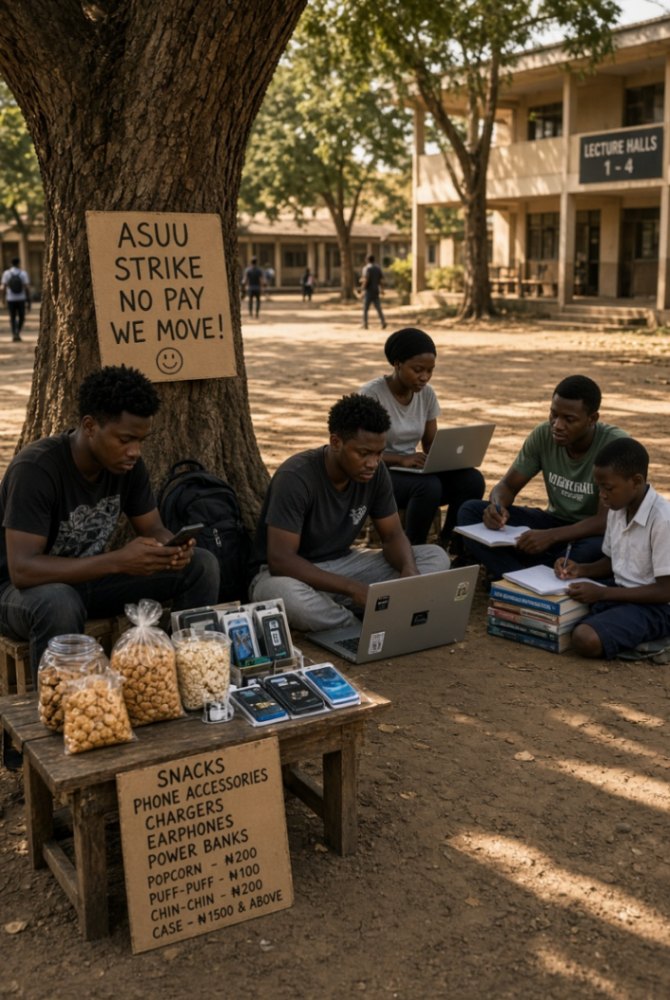
ASUU strikes can feel like a pause button on your academic life, but they also open up time to build income streams that fit a student budget and schedule. In Nigeria, many students use strike periods to start side hustles like thrift reselling, tutoring, and digital services—often earning enough to cover data, transport, and even school fees. This guide breaks down realistic options, price ranges in ₦, and safety tips so you can move confidently whether you’re flipping clothes, offering services, or trading online.
Why ASUU Strikes Are a Unique Opportunity
Strikes give you three key advantages:
Time: No lectures or assignments means more hours to learn, list items, and follow up with buyers.
Campus network: Even during strikes, student groups, hostels, and WhatsApp communities stay active—ideal for reaching buyers.
Lower competition: Many students wait for resumption, so early movers can capture demand for affordable fashion, textbooks, and services.
The goal isn’t to “get rich quick” but to build steady, low-risk income that works with your reality as a student in Lagos or anywhere in Nigeria.
Low-Capital Side Hustles That Work During Strikes
1. Thrift Flipping & Secondhand Fashion Reselling
Okrika (thrift) reselling is one of the most popular student hustles because you can start small and scale gradually.
Start with ₦20,000–₦50,000 if buying individual pieces instead of full bales.
Use the “60–70% rule”: never pay more than 60–70% of the current market selling price.
Price competitively by checking similar items on Jiji, Facebook Marketplace, and Instagram before listing.
2. Tutoring & Academic Services
If you excel in subjects like Math, English, or Sciences, tutoring secondary school students can earn ₦30,000–₦100,000+ monthly depending on hours and rates.
How to start:
Advertise on WhatsApp groups, church/mosque bulletins, or local community boards.
Offer per-session (₦2,000–₦5,000) or weekly packages (₦15,000–₦40,000).
Use free tools like Google Meet or Zoom for online sessions.
3. Digital Freelancing (Writing, Design, Social Media)
With just a phone or laptop, you can offer:
Freelance writing: Blog posts, product descriptions, or social media captions (₦5,000–₦20,000 per article).
Graphic design: Logos, flyers, or Instagram posts using Canva or Adobe tools (₦3,000–₦15,000 per design).
Social media management: Help small businesses post consistently (₦20,000–₦60,000 monthly per client).
Where to find clients:
Twitter/X threads (#NaijaFreelancers)
Facebook groups (e.g., “Nigerian Freelancers”)
Campus networks and local SMEs
4. Campus Services (Food, Laundry, Errands)
Students living around campus still need meals, clean clothes, and errand help during strikes.
Examples:
Meal prep: Sell jollof, fried rice, or small chops in packs (₦1,500–₦3,500 per pack).
Laundry service: Charge ₦500–₦1,500 per item depending on fabric.
Errand running: Pick up parcels, pay bills, or buy groceries for busy peers (₦1,000–₦5,000 per task).
Safety First: Protect Yourself When Trading Online
Online trading comes with risks—fake buyers, payment scams, and unsafe meetups. Here’s how to stay safe:
✅ Bring a friend if possible—especially for high-value items.
✅ Use cash or instant bank transfer; avoid “payment later” promises.
For more detailed safety tips, refer to trusted guides like Threddo’s Safety Guide, which covers red flags, scam patterns, and best practices for peer-to-peer trading in Nigeria.
Thrifting isn’t just profitable—it’s also a form of sustainable fashion that reduces waste and extends clothing lifespans.
Environmental benefits:
Less textile waste in landfills and drains.
Lower carbon footprint from reduced new clothing production.
Supports local artisans and upcyclers who repair or redesign garments.
Youth-led initiatives like Sustain_It Textiles Lagos show how students can turn textile waste into income through collection, reuse, and upcycling. By reselling secondhand clothes, you’re part of a growing circular economy movement in Nigeria.
Real Student Examples (Anonymized)
“Tomi, UNILAG”: Started with ₦30,000 buying individual thrift pieces during a 2025 strike. Sold 25 items over 6 weeks via WhatsApp and Instagram, earning ₦120,000 profit. Used earnings to pay for data and a new laptop.
“Amina, LASU”: Offered tutoring in Math and English to 8 secondary students during a strike. Charged ₦3,000 per session, 2 sessions weekly. Made ₦192,000 over 8 weeks.
“Chidi, UNN”: Combined freelance writing (₦10,000/article) with thrift reselling. Earned ₦250,000+ during a 3-month strike, covering rent and feeding.
These examples show that consistency and smart pricing matter more than big capital.
Quick-Start Checklist: Your First 7 Days
Day 1–2:
Decide your hustle (thrift, tutoring, freelancing).
Set a budget (e.g., ₦20,000 for thrift pieces).
Day 3–4:
Source items or create service packages.
Take clear photos or draft service descriptions.
Day 5–6:
List on WhatsApp, Facebook Marketplace, or student groups.
Share with friends and ask for resharing.
Day 7:
Follow up on inquiries, schedule meetups or sessions.
Track income and expenses in a simple notebook or spreadsheet.
Where to List Your Items or Services
WhatsApp Status & Groups: Fastest for quick sales to people who know you.
Facebook Marketplace: Great for local buyers in Lagos, Abuja, PH, etc.
Instagram: Ideal for curated thrift shops with styled photos.
Student platforms: Campus-focused marketplaces like Campus Market or Threddo (free, WhatsApp-first, no fees) can help you reach verified student buyers.
If you’re looking for a simple, no-fee way to list secondhand clothes, shoes, or accessories, platforms like Threddo let you post in seconds and chat directly with buyers on WhatsApp—no in-app payments or hidden charges.
Final Thoughts
ASUU strikes don’t have to mean zero income. With the right mix of thrift reselling, tutoring, or digital services, you can build steady earnings while keeping costs low and risks minimal. Focus on safety, fair pricing, and consistent effort—and you’ll come out of the strike with both cash and experience.
This article is for educational purposes only and does not constitute professional advice. Always follow safe trading practices and use your own judgement.