T
Loading…
Loading…
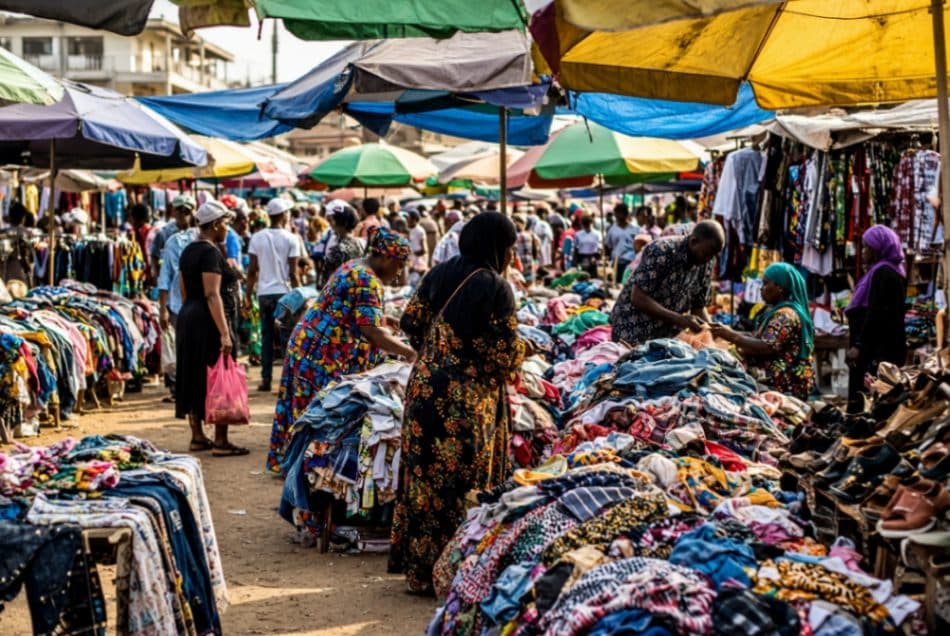
If you’re hunting for affordable, stylish secondhand clothes in Ilorin, you’re in the right place. This guide walks you through the city’s top thrift markets, typical price ranges, safety tips, and how to shop smart—whether you’re a student, young professional, or seasoned okrika lover.
Ilorin has long been a key node in Nigeria’s secondhand clothing trade, thanks to its location between Lagos (a major entry port for imported bales) and northern markets. Every Sunday, traders take over closed shop frontages along Emir Road up to the Post Office area, creating what locals call the “Sunday, Sunday market.” In recent years, this activity has also shifted to a more organised site at Kulende Market on Jebba Road, where vendors sell fairly used clothing alongside foodstuffs and household goods.
The culture here is deeply rooted: most shops close on Sundays, giving secondhand dealers space to display bales and curated picks for eager buyers. This weekly rhythm makes Ilorin one of the most consistent thrift destinations in North Central Nigeria.
Located on Jebba Road in the Sango area, Kulende Market is now the official hub for Ilorin’s secondhand clothing trade. While it started as a relocation from the old Post Office site, it has grown into a bustling Sunday destination where you can find everything from Grade A UK-used tops to kids’ wear and accessories.
Before the Kulende relocation, the stretch from Emir’s Road to the Post Office was the epicentre of Ilorin’s thrift trade. While less dominant now, some vendors still operate here, especially on Sundays. It remains a useful backup if you’re already in the city centre.
Beyond physical markets, Ilorin has a growing number of online thrift vendors on Instagram and WhatsApp. These sellers often curate higher-grade items and offer delivery within Kwara State, though prices tend to be slightly higher than market rates.
Have something to give away or sell?
Post your first listing — it only takes a couple of minutes.
Prices in Ilorin reflect national trends but are often 10–20% lower than in Lagos or Abuja due to lower overheads. Below is a realistic breakdown based on item grade and type:
| Item | Grade B (₦) | Grade A (₦) | Notes |
|---|---|---|---|
| Women’s Tops | 1,000–2,500 | 2,500–5,000 | Basic cotton vs. branded/vintage |
| Men’s Shirts | 1,200–3,000 | 3,000–6,000 | Check collar stiffness & stains |
| Jeans (Unisex) | 2,500–5,000 | 5,000–10,000 | Denim quality varies widely |
| Dresses (Midi/Maxi) | 2,000–4,000 | 4,000–8,000 | Embellishments raise price |
| Sneakers | 4,000–8,000 | 8,000–15,000 | Inspect soles and odour |
| Handbags | 2,000–5,000 | 5,000–12,000 | Test zippers and lining |
| Kids’ Outfits | 800–2,000 | 2,000–4,000 | Often sold in bundles |
Note: Prices have risen since 2024 due to fuel hikes and transport costs, with some items doubling in price over two years.
Not all okrika is created equal. Here’s a quick checklist to avoid duds:
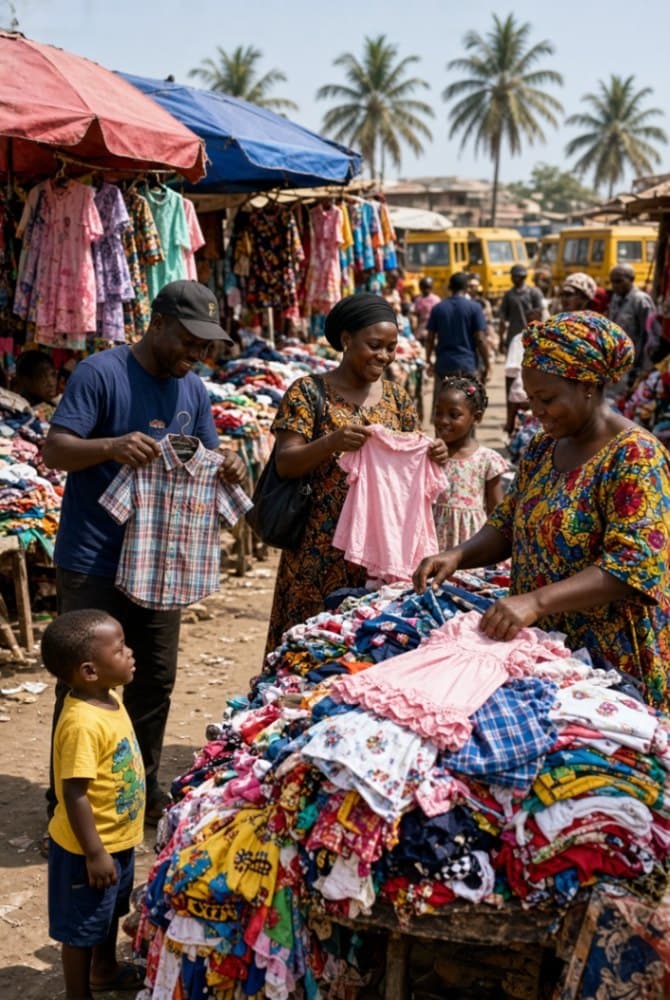
At Kulende Market, vendors often lay out clothes on mats or hang them on makeshift racks. Don’t hesitate to ask to see items up close or request a quick try-on behind a stall (many sellers allow this discreetly).
Buying secondhand is generally safe, but it’s wise to follow basic precautions:
For delicate items like leather jackets or silk blouses, consider professional dry cleaning and mention they’re secondhand so extra care is taken.
Bargaining is expected at Kulende and other thrift spots. Here’s how to do it respectfully:
Remember, sellers factor in transport and bale costs, so extreme lowballing can shut down negotiations quickly.
Beyond savings, buying secondhand supports circular fashion—keeping clothes in use longer and reducing textile waste. In a city like Ilorin, where new retail options are limited, thrifting offers access to diverse styles without the high cost of boutique fashion.
Plus, many students and young creatives use thrifted pieces to build unique looks that stand out on campus or at events. With a little creativity, a ₦3,000 top from Kulende can look as sharp as a ₦20,000 store-bought piece.
If you can’t make it to Kulende on Sunday, several Ilorin-based thrift sellers operate on WhatsApp and Instagram. They often post curated picks with clear photos and prices, saving you the dig-through time. Just verify their location, ask for measurements, and confirm return policies before paying.
For those who prefer peer-to-peer platforms, free marketplaces like Threddo.com.ng allow Ilorin residents to list or browse secondhand clothes, shoes, and accessories with direct WhatsApp contact—no fees or in-app payments. It’s a low-pressure way to connect with local sellers while following basic safety practices like public meetups and payment verification.
Ilorin’s thrift scene—centred around Kulende Market and the historic Emir Road stretch—offers real value for savvy shoppers. With prices ranging from ₦800 for kids’ wear to ₦15,000 for premium sneakers, there’s something for every budget. By combining smart inspection, respectful bargaining, and basic safety habits, you can build a stylish, sustainable wardrobe without breaking the bank.
This article is for educational purposes only and does not constitute professional advice. Always follow safe trading practices and use your own judgement.
Last Updated: September 2026