T
Loading…
Loading…
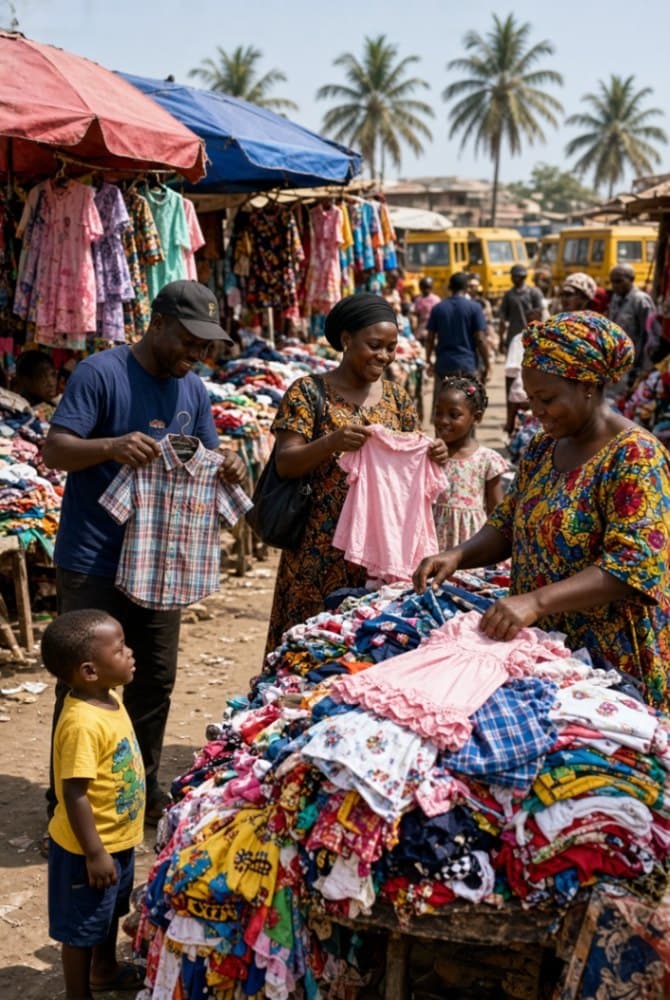
If you've heard "Grade A bale" at markets like Yaba, Balogun, or Kantin Kwari and wondered what it really means, you're not alone. In Nigeria's thrift (okrika) trade, bale grades describe the overall quality, brand mix, and condition of secondhand clothes packed together—knowledge that helps you avoid costly surprises and pick stock that matches your buyers. [A practical, Nigeria-focused guide to bale grades, what to expect inside, typical price ranges in ₦, and how to inspect safely before payment.
Last Updated: September 2026
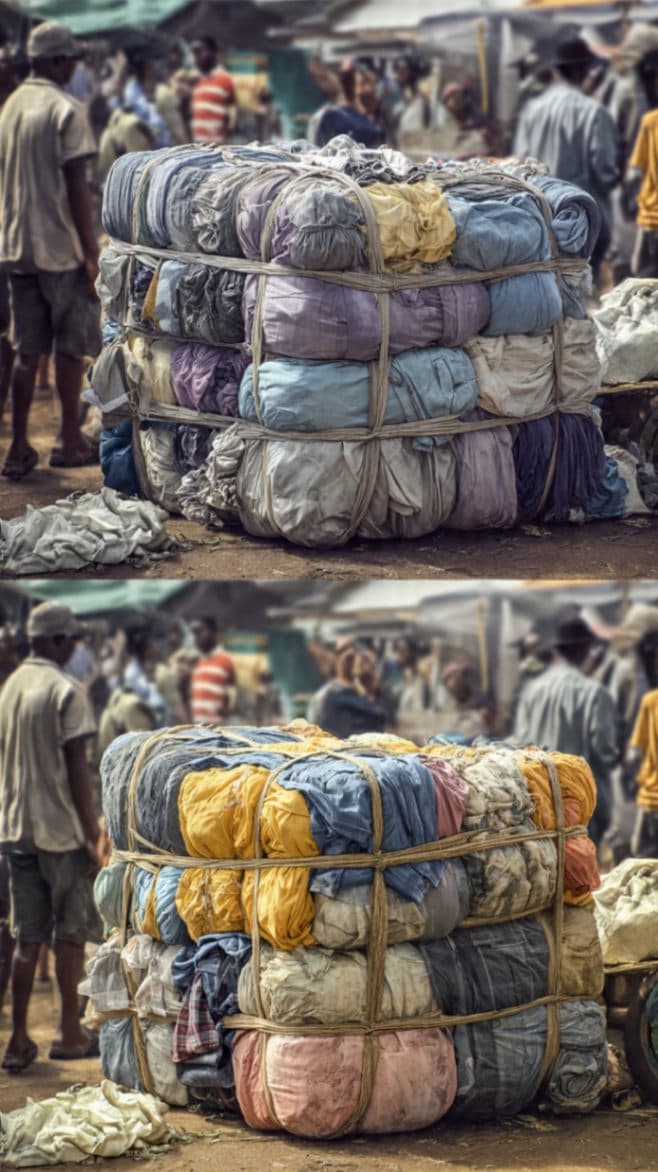
A bale is a tightly compressed bundle of secondhand clothing, usually wrapped in plastic or cloth and weighed in kilograms. Dealers sort bales by origin (UK, US, Canada, China mixed) and by grade (A, B, sometimes C), which reflects the average condition and brand value of items inside.
"Grade A bale meaning" in everyday Nigerian trading: a pack where most pieces look nearly new, carry recognizable brands, and show minimal wear, stains, or damage. Grade B bales contain more mixed quality—more basic brands, more visible wear, and a higher chance of minor faults that need fixing or discounting.
These grades aren't regulated by a government standard; they're market conventions used by bale dealers and resellers to set prices and manage expectations. That's why inspecting before you pay—and knowing your supplier—matters a lot.
Use this table to compare what you typically get in each grade when buying in Nigeria.
| Feature | Grade A Bale | Grade B Bale |
|---|---|---|
| Overall look | Mostly like-new or very clean preloved | Mixed; many good pieces, more visible wear |
| Brands | Higher share of known high-street/mid brands | More basic/unbranded pieces; some brands |
| Faults | Few stains/tears; minimal fading | More chance of small stains, loose threads, fading |
| Resale speed | Faster turnover; easier to price higher | Slower; may need bundling or discounts |
| Typical buyers | Instagram/WhatsApp boutiques, office-wear shoppers |
Have something to give away or sell?
Post your first listing — it only takes a couple of minutes.
| Market stalls, budget-conscious buyers, bulk deals |
| Risk level | Lower risk of dead stock | Higher risk; needs sorting and minor repairs |
| Price level | Higher per bale/kg | Lower per bale/kg |
Data and descriptions reflect common practices reported by Nigerian thrift sellers and bale dealers.
Prices move with exchange rates, shipping, and location, but these ranges give you a realistic starting point for planning.
Factors that shift prices:
Always confirm current prices with your dealer and ask for a bale label or video before payment.
Because grades are dealer-defined, your inspection protects your money. Use this quick checklist on the spot.
Before opening:
On opening:
Safety and hygiene:
If a dealer refuses inspection or video proof, treat that as a red flag and walk away.
Your choice depends on your buyers, your time for sorting/repairs, and your cash flow.
Choose Grade A if:
Choose Grade B if:
Many resellers keep a mix: Grade A for premium drops and Grade B for weekly bargains.
Here's a simple way to estimate your cost per wearable piece and plan markup without guesswork.
Estimate usable pieces per bale:
Work out cost per piece:
Add your target margin:
Adjust for your city, platform fees (if any), transport, and washing/repair costs.
Nigeria's secondhand clothing trade is large and active, which also attracts bad actors. Protect yourself with these practical rules.
For online transactions, follow basic consumer safety principles: confirm identity, use traceable payment where possible, and keep chat records. Nigeria's Consumer Protection Council guidelines encourage fair dealing and transparent product information—apply that mindset to thrift purchases too.
Good prep increases perceived value and reduces returns.
Secondhand clothing supports local trade and clothing needs across Africa, including Nigeria, by offering fashion consumption at a fraction of new retail cost. Studies note that purchasing pre-owned clothing can save consumers an average of 60% compared to new retail prices, which matters in high-inflation periods.
At the same time, the broader secondhand clothing trade in Africa shows complex flows and sustainability challenges, including large import volumes and the need for better waste management and policies. Buying smarter—choosing the right grade, reducing faults, and extending garment life through care and repair—helps you participate in a more circular fashion system without overconsuming new textiles.
Many sellers buy from bale dealers who specialize in UK, US, China mixed, or Canadian bales and often offer videos, bale labels, and sample pictures before buying. You can also find reputable sellers in:
Always ask for bale label, sample pieces, grade confirmation, and return policy (if any).
If you post listings to sell your thrift finds, a free, WhatsApp-first marketplace like Threddo.com.ng can help you reach local buyers directly without fees or in-app payments. Keep descriptions clear, add real photos, and follow safe trading practices—see Threddo's Safety Guide for tips on meeting buyers and avoiding scams.
Grade A bales generally offer cleaner, more branded, faster-to-sell pieces at a higher price, while Grade B bales give lower entry cost with more sorting and minor repairs needed. Your ideal choice depends on your buyers, your time, and your cash flow—and on inspecting carefully before you pay.
This article is for educational purposes only and does not constitute professional advice. Always follow safe trading practices and use your own judgement.