T
Loading…
Loading…
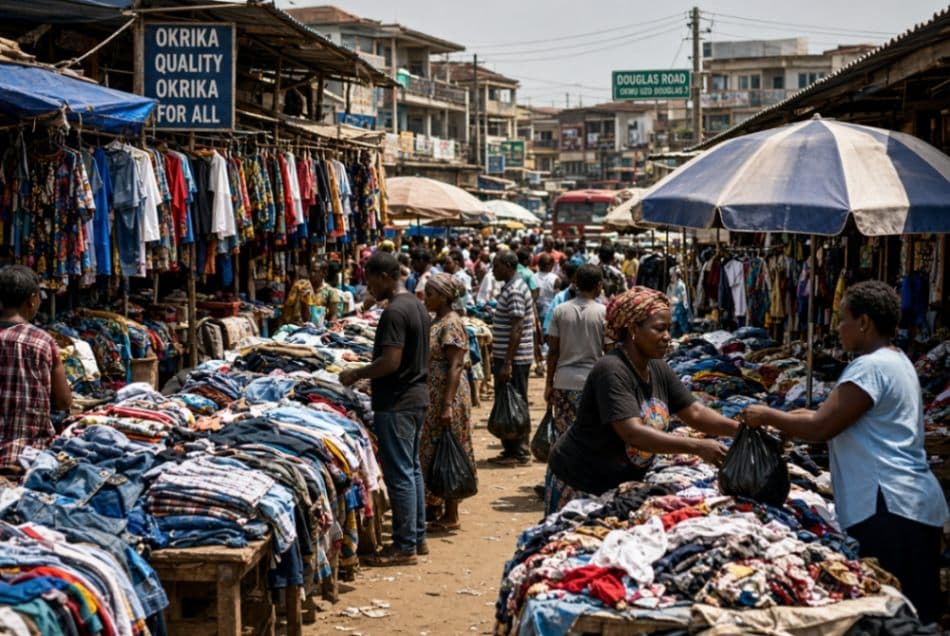
If you're hunting for affordable secondhand fashion in Owerri, Ekeonunwa Market is one of the city's most accessible thrift hubs—especially for everyday wear, accessories, and student-friendly finds. While it's historically known for fresh produce and local crafts, the market's dense vendor ecosystem and central location near Tetlow Road make it a natural spillover point for okrika (thrift) shopping in Imo State. Below is a practical, Nigeria-specific guide to what to expect, how to buy safely, typical price ranges, and how thrifting here fits into the bigger picture of sustainable fashion in Nigeria.
Last Updated: September 2026
Owerri's thrift economy isn't confined to a single "okrika market." Instead, it's distributed across main markets, roadside clusters, and boutique-style thrift shops. Ekeonunwa sits in Owerri Municipal near Tetlow Road and remains culturally significant despite being smaller than the former Eke Ukwu. Its mix of produce, herbs, crafts, and general merchandise draws steady foot traffic—creating conditions where secondhand clothing vendors can operate alongside other traders.
For students and young professionals, this matters: you can combine errands (food, household items) with thrift browsing in one trip. And because Owerri has multiple clothing resale channels—including online marketplaces listing items from ₦1,500—Ekeonunwa functions as part of a wider, price-competitive ecosystem.
Tip: If you're new to Owerri thrifting, treat Ekeonunwa as a starting point, then expand to nearby roads and established thrift stores (for example, stores along Mbonu Ejike/Mbari Street axis) to compare quality and prices.
Thrifting in Nigerian markets is tactile and social. You'll handle items, negotiate, and often buy in bundles for better value. In Ekeonunwa's environment, expect:
Have something to give away or sell?
Post your first listing — it only takes a couple of minutes.
Because the market is older and centrally located, infrastructure challenges like drainage and parking can affect comfort during heavy rain—something vendors in similar Imo markets have flagged. Going early, dressing for the weather, and carrying small denominations helps.
Safety isn't just about avoiding scams; it's also about hygiene, accurate sizing, and knowing your rights when something goes wrong. Under Nigeria's Federal Competition and Consumer Protection Act (FCCPA) 2018, sellers supplying second-hand goods must clearly disclose that items are used or reconditioned, and you have rights to examine goods, get proper descriptions, and receive transaction records.
Legal note: FCCPA 2018 requires conspicuous notice that goods are second-hand and gives you the right to return goods that don't match description or sample.
Prices vary by condition, brand, and vendor, but these ranges reflect common Nigerian thrift market patterns and online listings seen in Owerri.
| Item | Low-End (₦) | Mid-Range (₦) | High-End (₦) | What to Check |
|---|---|---|---|---|
| Women's tops/blouses | 1,500 | 3,000 | 6,000 | Stains, stretching, button holes |
| Jeans (women/men) | 3,000 | 6,000 | 10,000 | Seam wear, fading, zip function |
| Dresses (casual) | 2,500 | 5,000 | 9,000 | Lining, underarm stains, hem |
| Sneakers (unisex) | 4,000 | 8,000 | 15,000 | Sole wear, odour, insole condition |
| Handbags (non-luxury) | 2,500 | 5,000 | 10,000 | Zippers, lining, hardware rust |
| Kids' wear (per piece) | 1,000 | 2,500 | 5,000 | Elasticity, stains, growth room |
Context: Online clothing listings in Owerri start around ₦1,500, which anchors the low end for basic pieces. Mid/high ranges account for better brands, cleaner condition, and accessories.
Negotiation is normal. Polite, specific offers tend to work better than vague haggling.
Buying several items at once often increases your chances of a discount.
Secondhand clothes can carry bacteria or pests if not properly laundered, so washing before first wear is non-negotiable.
For delicate items (lined dresses, structured bags), consider professional dry-cleaning.
Nigeria's thrift markets already practice circular fashion: extending garment lifecycles, recovering value, and reducing demand for new production. Research on secondhand markets shows three core environmental benefits: product lifecycle extension, value recovery from otherwise discarded goods, and demand substitution that lowers new manufacturing impacts.
But there's a caveat. Not everything brought into markets is sellable; damaged or unsold items can end up in drains, dumps, or open burning, creating waste and pollution—especially where waste-management infrastructure is weak. That's why conscious thrifting in Owerri includes:
True sustainability here builds on existing reuse culture while pushing for better waste systems and upcycling hubs.
If an item is defective, unsafe, or doesn't match what was agreed, you can seek redress.
Under FCCPA, you have the right to return goods that are defective or do not correspond with description/sample, and to receive proper sales records.
Vendors in Imo's markets report infrastructure pain points—poor drainage, power issues, and parking—that affect both trading conditions and customer experience. As a shopper, this translates to: go prepared for weather, watch your step during rains, and be mindful that multiple levies and informal fees can influence pricing dynamics. Supporting vendors who maintain cleaner displays and proper storage indirectly encourages better market standards.
If you prefer browsing secondhand clothes, shoes, bags, jewellery, hair, and accessories from home, Threddo.com.ng offers a free, WhatsApp-first marketplace for Nigeria where buyers and sellers connect directly—useful for comparing styles and prices before heading to markets like Ekeonunwa. For safety habits (inspection checklists, payment verification, meetup tips), Threddo's safety guide aligns with FCCPA principles and everyday Nigerian trading realities.
Ekeonunwa Market remains a practical, central node in Owerri's thrift ecosystem—especially when combined with nearby thrift stores and online options to compare quality and prices. With the right inspection habits, bargaining approach, and awareness of your consumer rights under FCCPA 2018, you can build a stylish, budget-friendly wardrobe while supporting circular fashion in Imo State.
This article is for educational purposes only and does not constitute professional advice. Always follow safe trading practices and use your own judgement.