T
Loading…
Loading…
Last Updated: September 2026
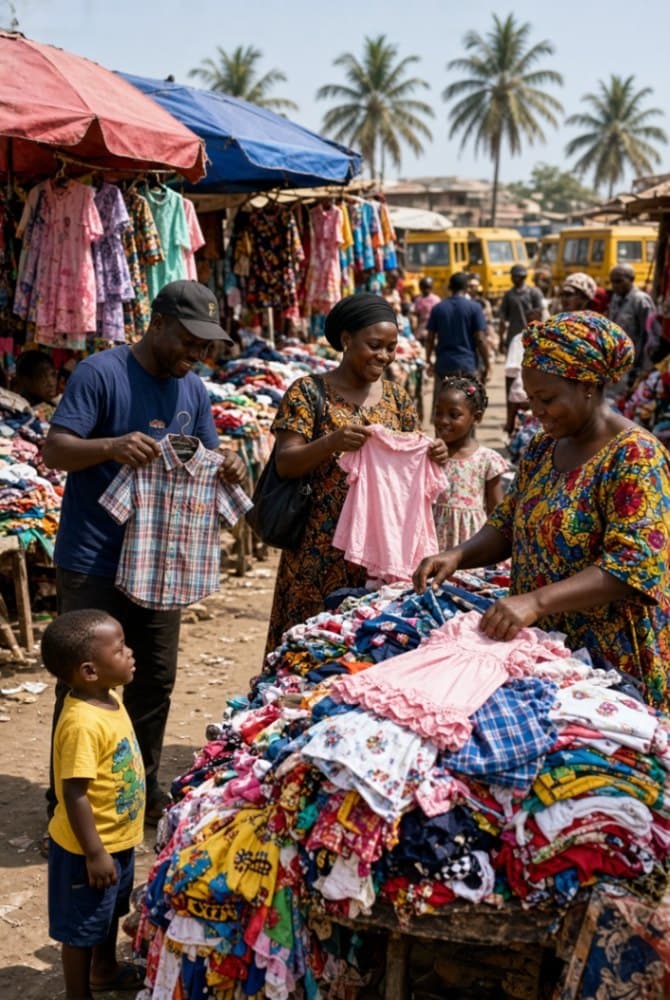
Old clothes rarely need to end up in the bin. In Nigeria, the two most practical options are to donate items that still have life in them or sell pieces that have clear resale value, and the right choice depends on condition, demand, and your goal for the item. The second-hand clothing trade is already part of a large circular system in Africa, with Nigeria among the major importers of used clothing, so extending a garment’s life through resale or donation is a practical response to textile waste.
When I look at an old item, I start with three questions: is it wearable, is it clean, and is it likely to be useful to someone else? If the answer is yes, the next step is to decide whether the item has market value or whether it is better suited to a donation route.
A simple rule works well in practice:
This approach keeps clothes in use longer and avoids sending reusable textiles into general waste, which supports circular fashion habits and reduces pressure on disposal systems.
Here is a practical way to compare the two options.
| Factor | Sell old clothes | Donate old clothes |
|---|---|---|
| Main goal | Recover some value | Pass items on quickly |
| Best for | Branded pieces, trendy items, shoes, bags, accessories | Everyday clothes, school wear, family clothing, basics |
| Time needed | More time for photos, pricing, chats, pickup | Less time if the recipient is ready |
| Money outcome | Possible cash return | No cash return |
| Effort level | Moderate to high | Low to moderate |
Have something to give away or sell?
Post your first listing — it only takes a couple of minutes.
| Social impact | Supports reuse and peer-to-peer trade | Supports direct need and immediate access |
The Nigerian resale market is active because second-hand clothing offers affordable fashion at a fraction of new retail cost, which is one reason preloved pieces move quickly when they are in good shape and well presented. Donation, on the other hand, works well when speed, convenience, and community benefit matter more than getting cash back.
Some items attract buyers more easily than others, especially in Nigeria’s thrift and peer-to-peer market. Clothing with strong resale value usually has clear style appeal, good condition, and easy sizing.
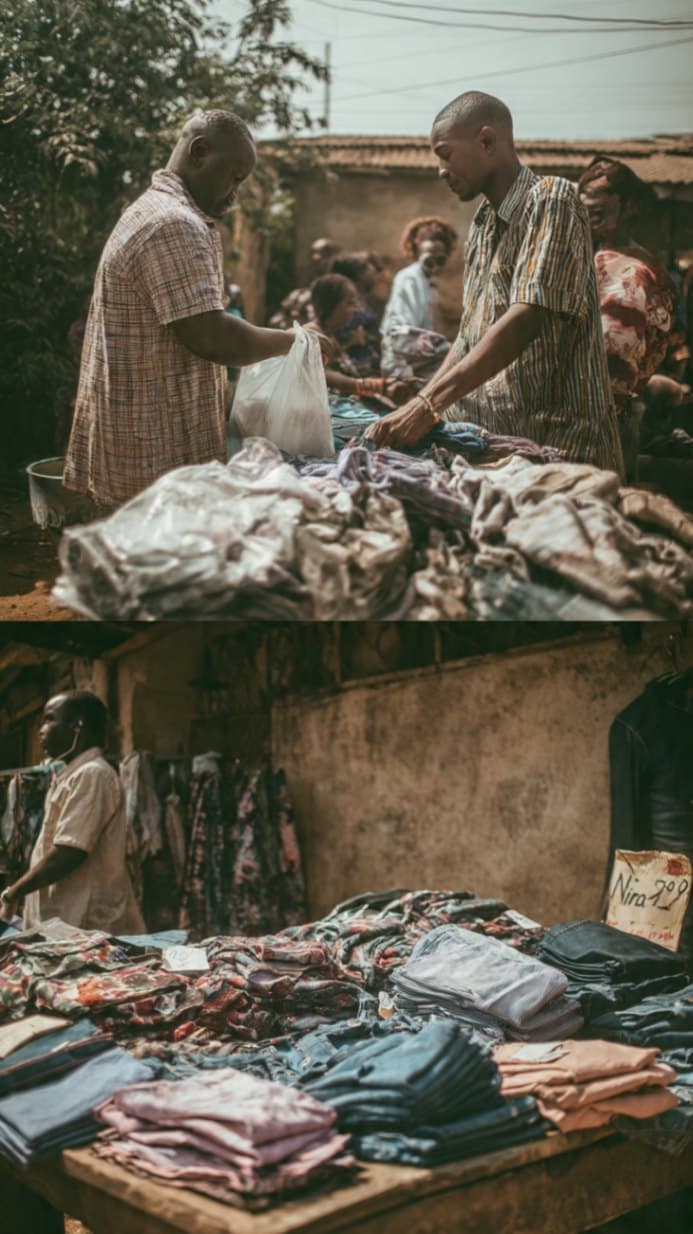
In local markets, pricing also matters. A clean, lightly used dress may list around ₦3,000–₦15,000 depending on brand, fabric, and demand, while simple tops may sit lower. The more generic the item, the more likely it is to move only when priced aggressively.
Donation is more practical when an item still has use but is unlikely to attract good resale interest. This often applies to plain shirts, school uniforms, older children’s clothing, maternity wear, and everyday pieces that are clean but not especially stylish.
Donation can also work well when:
Nigeria has a strong culture of informal giving, and for many households, a free clean garment is more useful than a low-priced listing that may sit unsold for weeks. That is especially true for children’s clothes, which outgrow quickly and remain useful even after short use.
Selling is more practical when the item still has enough value to justify the effort of listing it. If a piece is in very good condition, has a known brand, or fits a current style trend, resale can be a cleaner route than donation.
Selling works well when:
The second-hand market in Africa is part of a wider global trade in used clothing, and recent research shows that countries such as Nigeria are central to import and resale flows. That means there is real demand for well-presented preloved clothing, especially when sellers are transparent about condition.
Use this table when you are unsure what to do with a piece.
| Item condition or type | Better option | Why |
|---|---|---|
| Clean, branded, trendy dress | Sell | Higher chance of finding a buyer |
| Plain but wearable T-shirt | Donate | Useful, but not likely to fetch much |
| Children’s outfit in good condition | Donate or sell | Depends on brand and condition |
| Shoes with light wear | Sell | Buyers often pay for clean footwear |
| Torn, stained, or smelly item | Recycle or discard | Not fit for reuse |
| Jewellery or accessories | Sell | Small items can still have value |
| Office blazer or formal wear | Sell | Often in demand for work and events |
Setting value in naira is easier when you think in ranges rather than fixed numbers. Resale prices vary by city, brand, condition, and how fast you want the item to move.
These are practical market-style ranges rather than fixed rules, and they work best when paired with sharp photos, honest descriptions, and a clear note on condition.
Whether you sell or donate, trust matters. Nigeria’s consumer protection framework encourages fair dealing, truthful information, and protection from misleading practices, and that principle is useful even in informal second-hand exchanges. For private trading, the safest habit is to keep communication clear, confirm item details before meeting, and avoid vague descriptions that hide damage or defects.
A practical safety checklist:
If the item is a personal-use product such as hair accessories or cosmetics-related items, check the relevant product rules before passing them on. NAFDAC oversees regulated products in Nigeria, so anything that falls into health- or product-safety-sensitive categories needs extra caution before resale or redistribution.
A student clearing hostel space may have five cotton tops, two jeans, and one branded pair of sneakers. The sneakers and jeans can be listed for sale because they are easier to price and may attract buyers, while the tops can be donated if they are clean but too generic to move quickly.
A parent sorting children’s clothes may find that most items are too small but still wearable. In that case, donation often works better because the main value is usefulness and speed, not profit.
Someone moving house may have mixed wardrobe pieces, including a formal blazer, a party dress, and worn casual wear. The blazer and dress are likely better for resale, while the casual wear can be donated if still neat.
Use this short checklist before deciding.
If the answer leans toward value recovery, sell. If the answer leans toward immediate usefulness and simplicity, donate.
Choosing between donate and sell is not only about money. It is also about keeping clothes in use longer, reducing waste, and supporting a more circular clothing economy. Research on second-hand clothing trade in Africa shows that used garments are part of a large cross-border system, but the environmental and social benefits depend on how responsibly items are reused and managed. Local reuse, repair, donation, and resale all help extend garment life compared with throwing clothes away.
Nigeria also faces wider textile and waste challenges, and sustainable fashion advocates have highlighted repair, swapping, donation, and responsible consumption as practical ways to reduce textile waste. That makes the decision around old clothes part of a bigger habit: keeping usable items circulating instead of burying them in waste streams.
If you are listing items online, a simple marketplace like Threddo can help you post secondhand clothes, shoes, bags, jewellery, and accessories for direct buyer contact, while keeping the process simple and WhatsApp-first; its safety guidance is especially useful for keeping exchanges clear and transparent.
Donate when speed, usefulness, and community impact matter most; sell when an item still has clear market value and the effort is worth the return. In practice, many wardrobes need both options, because not every clean garment deserves the same route.
This article is for educational purposes only and does not constitute professional advice. Always follow safe trading practices and use your own judgement.