
T
Loading…
Loading…
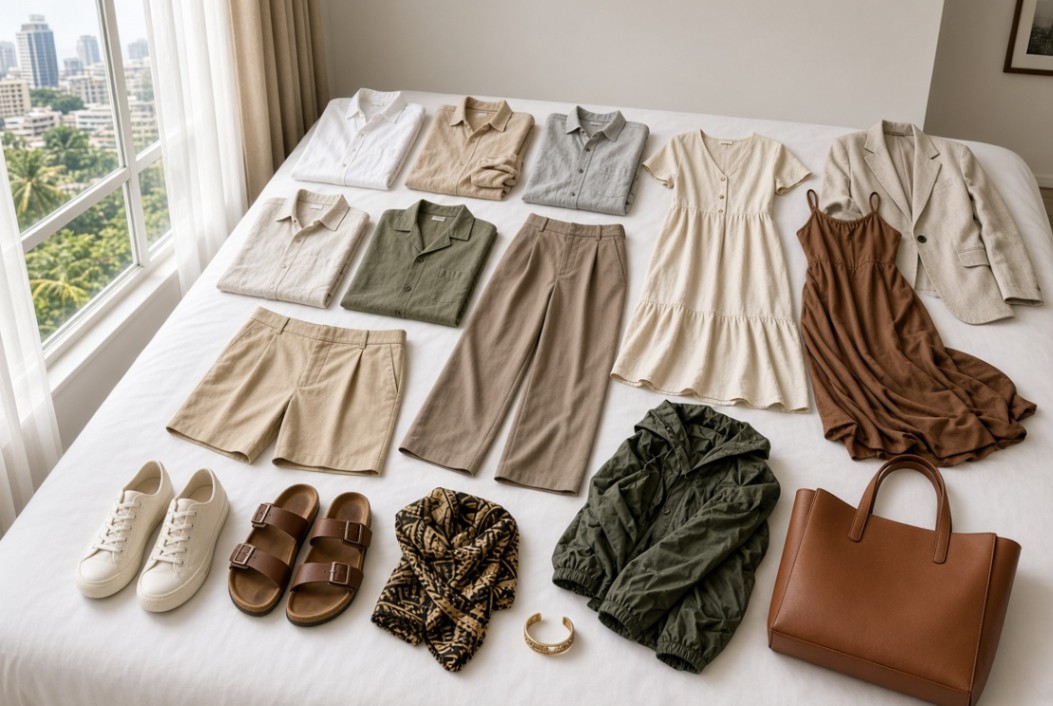
A capsule wardrobe for Lagos weather needs to handle heat, humidity, sudden rain, traffic, air-conditioned rooms, formal occasions, and everyday movement. Instead of filling your wardrobe with clothes for every possible situation, you can work with a smaller group of breathable, versatile pieces that combine easily. Lagos is warm for much of the year, but the experience changes between hot sunny afternoons, humid mornings, heavy rain, cooler evenings, and strongly air-conditioned offices or buses. A useful capsule wardrobe therefore relies on light layers, quick-drying fabrics, comfortable footwear, and colours that can be worn in several combinations. This approach can also reduce unnecessary clothing purchases. The international secondhand clothing trade involves more than 24 billion used garments annually, showing the scale of clothing reuse while also highlighting the importance of thoughtful consumption and longer garment use.## Understand Lagos Weather FirstLagos has a tropical climate, so clothing choices often need to manage heat and moisture rather than cold. Humidity can make heavy fabrics uncomfortable, while rain can create problems for shoes, hems, bags, and garments that take a long time to dry. A Lagos capsule wardrobe generally needs to cover five practical conditions:- Hot, sunny afternoons.- Humid mornings and evenings.- Heavy rain and wet streets.- Indoor air conditioning.- Events requiring a more polished appearance.The rainy season does not mean every day is cool. A light outfit can still be useful during a wet morning, while a compact outer layer or dry change of clothing may help when moving between work, school, and home.### Build for movementYour clothing also needs to work with daily Lagos activities such as walking short distances, using buses or ride-hailing services, sitting in traffic, attending lectures, working in an office, or moving between indoor and outdoor spaces. Garments with some ease around the body, secure pockets, washable fabrics, and comfortable footwear can make repeated wear more practical. These features are often more useful than highly decorative details that restrict movement or require specialist cleaning.## Choose Breathable FabricsFabric choice has a direct effect on comfort in warm, humid weather. Cotton, linen, rayon or viscose, lightweight denim, and some moisture-managing blends can work well when their construction is light enough for the climate. No fabric is perfect for every situation. Linen may crease easily, cotton can hold moisture, and synthetic fabrics can feel warm depending on their weave and finish. The useful question is how a garment behaves in your routine: how quickly it dries, how easily it washes, and whether it remains comfortable outdoors.| Fabric or material | Useful qualities in Lagos | Points to check ||---|---|---|| Lightweight cotton | Breathable, familiar, washable | May absorb sweat and dry slowly || Linen | Airy and suitable for hot weather | Creases easily and may need careful pressing || Rayon or viscose | Soft, drapes well, often feels light | Can require gentle washing and may weaken when wet || Lightweight denim | Durable and versatile | Heavy denim can feel hot and dry slowly || Polyester blends | Often quick-drying and crease-resistant | Some finishes may feel warm in humid weather || Lace or open-weave fabrics | Allows airflow and adds texture | Check transparency and durability || Jersey knit | Comfortable and easy to style | Thick jersey can retain heat |### Test before buyingWhen shopping secondhand, hold the garment against light to assess thickness, inspect the underarm area, and check whether the fabric has a strong odour that remains after airing. Look at seams, zips, buttons, hems, and elastic because these areas often reveal how much useful wear remains. A simple fabric test is to scrunch a small section in your hand. If it feels stiff, traps heat, or takes a long time to recover from creasing, consider whether it fits your normal activities.## Start With a Colour PlanA capsule wardrobe becomes easier to combine when the colours work together. A practical palette can include two or three neutral colours plus two accent colours. For example:- Neutrals: black, white, cream, navy, grey, brown, or khaki.- Accents: green, burgundy, mustard, cobalt blue, orange, or pink.- Prints: one or two patterns that include at least one neutral from the main palette.This does not mean every item needs to be plain. Ankara, adire, stripes, checks, florals, and animal prints can fit into a capsule wardrobe when they coordinate with several existing pieces.### Example colour planA wardrobe based on black, cream, denim, and green could include:- Black trousers.- Cream cotton shirt.- Blue denim skirt or jeans.- Green blouse.- Patterned dress containing black or cream.- Neutral sandals.- Black or brown bag.These pieces can create casual, work, school, and event outfits without requiring a separate wardrobe for each category.## The Core Lagos CapsuleThe number of garments depends on your work, school, laundry routine, budget, and personal style. A compact starting point can contain around 25 to 35 clothing items, excluding underwear, sleepwear, sportswear, and specialist clothing. This is not a fixed rule. Someone who wears uniforms may need fewer everyday items, while someone attending frequent events may use more formal pieces.| Wardrobe area | Practical starting range | Examples ||---|---:|---|| Everyday tops | 5–7 | Cotton T-shirts, blouses, polos, light shirts || Bottoms | 4–6 | Trousers, skirts, shorts, lightweight jeans || Dresses or one-piece outfits | 2–4 | Casual dress, shirt dress, occasion dress || Light layers | 2–3 | Cardigan, overshirt, light blazer, denim jacket || Rain-friendly items | 1–2 | Compact rain jacket, washable overshirt || Work or formal pieces | 2–4 | Tailored trousers, modest blouse, structured dress || Shoes | 3–5 pairs | Sandals, trainers, covered flats, formal shoes || Bags | 2–3 | Everyday crossbody, work or school tote, small occasion bag |### TopsA useful top collection can include:- Two or three neutral tops.- One or two colourful or patterned tops.- One breathable button-down shirt.- One polished blouse or polo.- One top suitable for layering over a camisole or dress.Short sleeves are practical for outdoor heat, while loose long sleeves can provide sun protection and work in air-conditioned environments. Oversized items can improve airflow, but very loose sleeves may be inconvenient when commuting or eating outdoors.### BottomsBottoms can be selected according to your activities:- One dark or neutral trouser.- One lightweight wide-leg or straight-leg trouser.- One skirt, shorts, or culottes.- One pair of jeans if denim feels comfortable in your routine.- One flexible bottom in a second neutral or accent colour.Lighter colours can show dust more easily, while very dark fabrics may show lint and heat more noticeably. The choice depends on your transport, work environment, and laundry access.### Dresses and one-piece outfitsDresses can reduce the number of decisions involved in getting dressed. A shirt dress, loose midi dress, or simple cotton dress can work with flat shoes during the day and accessories for a more formal setting. A one-piece outfit becomes more versatile when it can be worn with:- Flat sandals.- Trainers.- A belt.- A light overshirt.- Jewellery or a scarf.- A structured bag.### Light layersLagos does not usually require heavy coats, but layers remain useful. Air-conditioned offices, cinemas, restaurants, lecture halls, and long-distance buses can feel much cooler than the street. Suitable options include:- Lightweight cardigan.- Cotton or linen-blend shirt worn open.- Thin blazer.- Denim or utility jacket.- Large scarf or shawl.A layer that folds easily into a bag is more practical than a bulky jacket that stays at home.## Choose Shoes for Rain and RoadsShoes need to handle heat, dust, puddles, uneven surfaces, and repeated walking. A small collection can include one everyday pair, one open pair, one polished pair, and one rain-tolerant option.| Shoe type | Common use | Care consideration ||---|---|---|| Flat sandals | Hot days and casual outfits | Dry fully after rain and inspect straps || Trainers | Walking, school, casual wear | Avoid storing while damp || Covered flats or loafers | Work and polished outfits | Use shoe trees or stuffing to retain shape || Low block heels | Events and formal settings | Check grip and heel stability || Rubber or washable footwear | Rainy days and errands | Rinse mud and dry away from direct heat |A shoe that looks good but causes discomfort during ordinary movement may receive little wear. Before purchasing secondhand footwear, inspect the sole, heel, inner lining, odour, stitching, and signs of water damage.## Use Outfit FormulasOutfit formulas make a capsule wardrobe easier to use. They are repeatable combinations rather than identical outfits.### Everyday formulaThis combination can work for errands, casual meetings, and ordinary daytime activities. A change of accessories can make the same base look more polished.### Work or school formulaA neutral base creates room for colour through a scarf, jewellery, bag, or patterned shirt. The light layer can remain in your bag for cold indoor spaces.### Rainy-day formulaAvoid letting wet garments remain folded inside a bag. On returning home, air clothing and footwear promptly to reduce lingering dampness and odour.### Event formulaOne event-ready dress can serve several occasions when accessories change. A belt, scarf, earrings, or different footwear can alter the overall appearance without adding many garments.## Plan for Laundry and DryingLaundry access changes how many pieces your capsule needs. A person washing clothes twice a week may manage with fewer garments than someone washing once every two weeks. Consider these practical questions:1. How often can you wash clothes?2. How long do garments take to dry in your home?3. Do you have reliable access to sunlight or ventilation?4. Which items need ironing?5. Which garments can be worn again after airing?6. Which fabrics become uncomfortable after one use?Quick-drying tops can reduce pressure during rainy periods, while garments that take a long time to dry may need careful rotation. Follow the care label where available, and test unfamiliar secondhand pieces with gentle washing before placing them into regular rotation.### Lagos clothing-care checklist- Air damp clothing instead of leaving it in a closed bag.- Separate colour-sensitive garments during washing.- Inspect underarms, collars, hems, and pockets regularly.- Repair loose buttons and small seam openings early.- Store clean, completely dry clothing.- Keep shoes ventilated and away from trapped moisture.- Use a laundry routine that matches your actual schedule.## Shop Secondhand With a ChecklistSecondhand shopping can support a smaller wardrobe when each item fills a real gap. Research on the shows that reuse markets support clothing access and local trade, while also carrying environmental and economic complications; extending the life of garments and avoiding unnecessary purchases remains important.Before buying, ask:- Does the item fit the Lagos weather conditions I experience?- Can I wear it with at least three existing pieces?- Is the fabric comfortable enough for outdoor heat?- Can I wash and dry it without unusual difficulty?- Are repairs visible or affordable within my budget?- Is the size label reliable, or have I checked the actual measurements?- Does the item duplicate something I already own?### Secondhand price planningPrices vary considerably by fabric, brand, condition, location, and seller. The following ranges are planning examples rather than fixed market prices.| Item | Approximate secondhand range ||---|---:|| Basic T-shirt or top | ₦2,000–₦7,000 || Cotton blouse or shirt | ₦3,000–₦12,000 || Skirt or lightweight trouser | ₦4,000–₦15,000 || Jeans or heavier trousers | ₦5,000–₦20,000 || Casual dress | ₦5,000–₦18,000 || Structured dress or blazer | ₦8,000–₦30,000 || Sandals or flats | ₦4,000–₦15,000 || Trainers | ₦8,000–₦35,000 || Bags | ₦5,000–₦30,000 |Confirm condition, measurements, delivery arrangements, and the total price before completing a transaction. For peer-to-peer trading, avoid sharing unnecessary personal information, treat urgency as a reason to slow down, and use a public or otherwise safer meeting arrangement where possible.## Create a One-Week TestInstead of replacing your wardrobe immediately, try a one-week capsule experiment using clothes you already own. Select:- Five tops.- Three bottoms.- Two dresses or one-piece outfits.- Two pairs of shoes.- One light layer.- One everyday bag.- A small group of accessories.Record which pieces feel too hot, crease quickly, stain easily, remain unworn, or work across several situations. This creates evidence from your real routine rather than relying only on appearance in a shop or online listing.After the test, identify gaps using three labels:- comfortable, useful, and regularly worn.- useful but needs tailoring, repair, or a styling change.- rarely worn, uncomfortable, damaged beyond practical repair, or difficult to combine.Items in the final category can be donated, swapped, resold, or listed for another owner, depending on their condition.## Keep Sustainability PracticalA smaller wardrobe is not automatically sustainable if it encourages frequent replacement. The environmental value comes from using garments longer, washing thoughtfully, repairing them, and avoiding purchases that do not fit your actual needs. The circular economy benefits of secondhand clothing are also not automatic. Research on notes that large international trade networks can create waste-management and local-industry challenges, so reuse works more responsibly when garments remain useful and are not treated as disposable.Practical circular habits include:- Buying fewer duplicates.- Choosing garments that can be repaired.- Sharing or swapping occasion wear.- Reselling items in usable condition.- Donating clean garments that no longer fit your needs.- Reusing damaged textiles where appropriate.- Avoiding listings that hide stains, odours, or defects.## ConclusionA capsule wardrobe for Lagos weather works through breathable fabrics, flexible layers, practical shoes, coordinated colours, realistic laundry planning, and garments that fit your everyday movement. Start with a one-week test, add only genuine gaps, and use secondhand shopping, repair, swapping, or resale to extend the useful life of clothing. The most practical wardrobe is not defined by a fixed number of items. It is a collection that helps you dress comfortably for heat, rain, indoor air conditioning, work, school, errands, and social occasions without excessive duplication. This article is for educational purposes only and does not constitute professional advice. Always follow safe trading practices and use your own judgement.
10 Thrift Finds Under ₦2,000 You Need to See
How to Recreate a Celebrity Look With Thrift Pieces
Thrift Date Night Outfits That Don’t Look Cheap
Thrift Outfit Ideas for Campus: Stylish School Looks on a Budget
Thrifted Street Style: Outfits Spotted on Lagos Streets
15 Thrifted Outfit Inspo Looks for This Week
Have something to give away or sell?
Post your first listing — it only takes a couple of minutes. Or browse listings near you.