T
Loading…
Loading…
Last Updated: September 2026
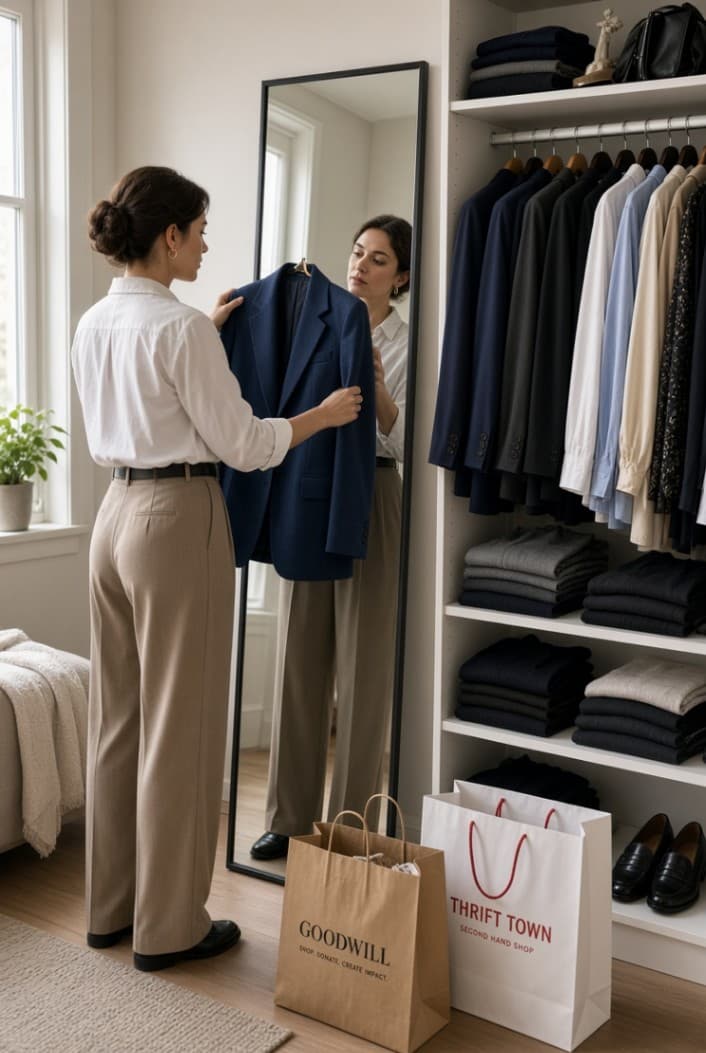
A corporate wardrobe built from thrifted clothes can include office dresses, trousers, blouses, shirts, blazers, skirts, shoes, bags, and accessories without relying entirely on new retail pieces. The process works best when you shop by outfit function, inspect each item carefully, and choose colours and cuts that combine easily.
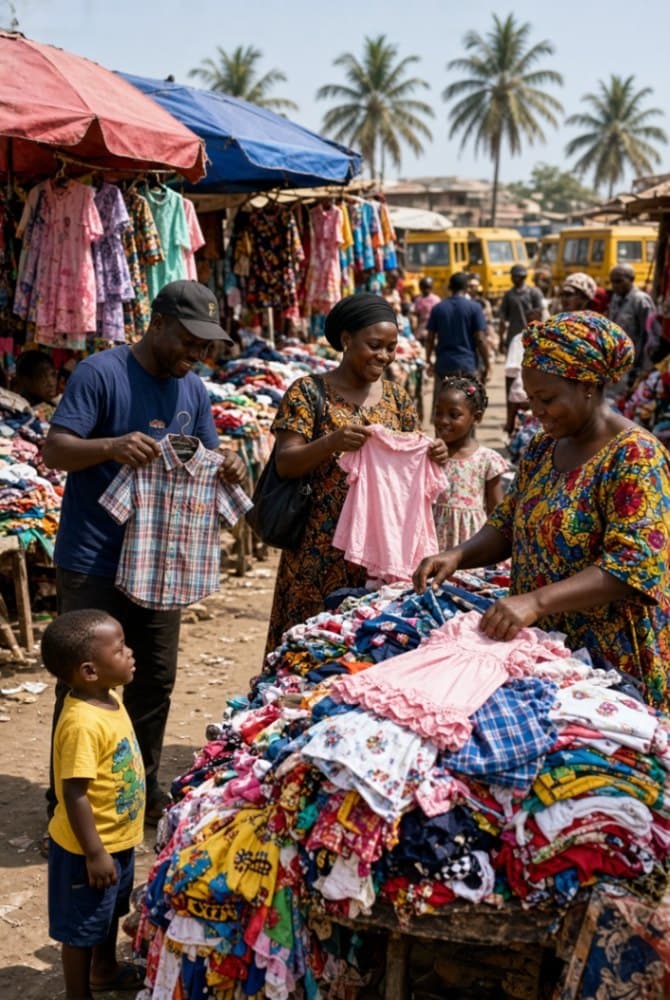
For many people in Nigeria, thrift shopping—often called “okrika,” “bend-down select,” or simply “thrift”—offers access to pre-owned clothing at different price points. It also supports reuse by keeping wearable garments in circulation for longer, although the environmental effects of secondhand clothing depend on garment quality, useful wear, responsible disposal, and the wider import and waste system. Research on the international secondhand trade notes both its affordability and its environmental and economic complications in importing countries.
Before visiting a market or browsing a secondhand listing, define what your workweek requires. A bank employee, teacher, lawyer, receptionist, creative professional, and hybrid worker may have different expectations around formality, movement, weather, and footwear.
Write down:
A useful starting wardrobe is not a fixed number of pieces. It is a set of garments that produces several complete outfits. For example, two pairs of trousers, three tops, one skirt, one dress, one jacket, two pairs of shoes, and one work bag can create more combinations than six unrelated statement pieces.
An outfit formula is a repeatable combination that reduces daily decision-making. Examples include:
Have something to give away or sell?
Post your first listing — it only takes a couple of minutes.
The formula can remain consistent while colours, fabrics, and accessories change.
A limited colour system makes thrifted pieces easier to combine because secondhand stock is unpredictable. Neutral colours often provide the foundation, while one or two accent colours add variety.
Common foundation colours include:
Accent colours may include burgundy, forest green, mustard, soft blue, pink, or patterned fabrics. The appropriate choice depends on workplace norms and personal comfort.
A simple method is to select three foundation colours and two accent colours. For example:
| Wardrobe element | Example colours |
|---|---|
| Trousers and skirts | Black, navy, charcoal |
| Blouses and shirts | White, cream, pale blue |
| Dress | Navy, burgundy, dark green |
| Shoes and belt | Black or brown |
| Bag | Black, brown, tan, or burgundy |
| Accessories | Gold, silver, or simple neutral tones |
This does not mean every item has to match perfectly. It creates enough visual connection for garments bought at different times to work together.
When building a corporate wardrobe from thrift alone, begin with pieces that appear frequently in the secondhand market and combine with several other garments.
| Item | Practical quantity for a starter wardrobe | What to inspect |
|---|---|---|
| Tailored trousers | 2–3 | Waist, seat, hem, zipper, inner thigh |
| Office blouses or shirts | 3–5 | Collar, cuffs, underarm area, buttons |
| Skirts | 1–2 | Waistband, lining, slit, hem |
| Corporate dresses | 1–3 | Bust, zip, lining, stains, shape |
| Blazer or jacket | 1–2 | Shoulder fit, sleeve length, lining |
| Closed-toe shoes | 1–2 pairs | Sole, heel, inner lining, odour |
| Work bag | 1 | Handles, zip, base, interior lining |
| Belt | 1–2 | Buckle, holes, cracking |
| Simple accessories | 2–4 | Clasps, missing stones, tarnish |
These quantities are planning examples rather than rules. The right number depends on laundry frequency, workplace requirements, climate, and how often garments can be reworn.
A low price does not compensate for an item that needs extensive repairs or cannot be worn comfortably. Inspection is therefore part of the purchase process.
Use this sequence when examining a thrifted item:
For shoes, bend the sole gently, inspect the heel attachment, check the insole, and look for cracking around the upper material. For bags, test the zip repeatedly, examine the base and corners, and check whether the handles are pulling away from the body.
Thrifted clothing often becomes more useful after minor alterations. Common adjustments include:
A tailor can assess whether the garment has enough seam allowance for alteration. Tight garments with little extra fabric may be difficult to enlarge, while oversized garments may offer more adjustment room.
Prices vary by city, tailor, fabric, garment construction, and repair complexity. A practical planning range in Nigeria may look like this:
| Service | Approximate planning range |
|---|---|
| Button replacement or small hand repair | ₦500–₦2,000 |
| Simple hem adjustment | ₦1,000–₦3,500 |
| Trouser waist adjustment | ₦1,500–₦4,000 |
| Sleeve adjustment | ₦1,500–₦4,500 |
| Zip replacement | ₦2,000–₦6,000 |
| Major refitting or reshaping | ₦4,000–₦12,000+ |
Confirm the current charge with the tailor before leaving the garment. These figures are budgeting examples, not fixed market rates.
A corporate wardrobe budget includes more than the seller’s asking price. Add possible costs for transport, washing, repairs, alterations, pressing, and accessories.
| Cost area | Example planning amount |
|---|---|
| Thrifted blouse or shirt | ₦2,000–₦8,000 |
| Thrifted trousers or skirt | ₦3,000–₦12,000 |
| Thrifted dress | ₦4,000–₦15,000 |
| Thrifted blazer | ₦6,000–₦20,000 |
| Thrifted office shoes | ₦5,000–₦20,000 |
| Thrifted work bag | ₦5,000–₦25,000 |
| Cleaning or pressing | ₦1,000–₦5,000 |
| Minor repair or alteration | ₦500–₦6,000 |
Prices differ considerably between Lagos markets, neighbourhood thrift shops, social-media sellers, online listings, and imported or locally sourced stock. Treat the table as a planning framework and inspect each item rather than assuming that a higher or lower price indicates quality.
A useful calculation is:
Total wardrobe cost = item price + transport + cleaning + repairs + alterations
For example, a ₦5,000 pair of trousers requiring ₦3,000 in alterations and ₦1,500 in transport has a practical cost of ₦9,500.
A small capsule wardrobe works when each garment performs more than one role. Here is an example using thrifted pieces:
This can produce combinations such as:
| Day | Outfit |
|---|---|
| Monday | Navy trousers, white blouse, blazer, loafers |
| Tuesday | Corporate dress, belt, low heels |
| Wednesday | Black trousers, pale-blue shirt, loafers |
| Thursday | Skirt, patterned blouse, blazer |
| Friday | Navy trousers, simple top, loafers, accessory |
The outfits can be adjusted for workplace policy, weather, commute, and personal style. Repeating a garment is not a wardrobe failure; changing the styling, layering, or accessories can create a different appearance.
Nigeria’s heat, humidity, rain, dust, and traffic affect corporate clothing choices. Fabric and construction matter as much as colour.
Check whether the fabric feels comfortable against the skin and whether the garment permits movement. For commuters, darker colours and easy-care fabrics may be practical because they can disguise minor dust more effectively than very light fabrics.
Corporate clothing often looks unfinished when shoes or bags are worn out. These accessories also experience significant daily stress.
A clean, well-maintained pair of loafers can support several outfits. The same applies to a structured bag in black, brown, tan, or another colour that connects with the wardrobe.
Cleaning requirements vary by fibre, construction, colour, and care label. Inspect and separate garments before washing them together.
Practical steps include:
For items with persistent odour, mould, visible contamination, or uncertain treatment history, a professional cleaner can explain what cleaning process is appropriate. This is a clothing-care issue rather than a medical diagnosis, so follow product labels and professional instructions.
A familiar brand name does not guarantee suitable fit, condition, or comfort. The garment’s measurements, construction, and wear matter more for daily office use.
A cheap item requiring major repairs can cost more than a slightly higher-priced garment in ready-to-wear condition. Add alteration and cleaning costs before deciding.
Bright prints and unusual cuts can be attractive, but a wardrobe made mostly of statement items may produce fewer complete outfits. Foundation pieces provide more combinations.
An item can look good while standing and become uncomfortable when sitting, climbing stairs, bending, or reaching. Test the garment in the way you will use it.
Corporate expectations differ. A transparent blouse, very short skirt, distressed denim item, or open shoe may not suit a particular workplace even if it is fashionable elsewhere.
When buying from a person or online listing, keep the transaction focused on verifiable details.
Request:
For in-person exchanges, a public location with other people nearby can reduce avoidable risk. Avoid sharing unnecessary personal information, sending money because of pressure, or clicking unfamiliar payment links. Where a platform provides safety guidance, review it before arranging contact or collection.
Nigeria’s consumer-protection framework includes the Federal Competition and Consumer Protection Act, which establishes consumer rights and protections against unfair practices. The exact remedy in a dispute depends on the facts and applicable process, so this article does not provide legal advice. Keep screenshots, receipts, messages, and photographs when a transaction involves a dispute.
Threddo can be useful when you want to browse or post secondhand corporate clothes, shoes, bags, and accessories through direct buyer-seller contact. Before arranging a handover, use the platform’s Safety Guide, inspect the item, confirm the details, and agree on practical collection or delivery arrangements.
Imagine a Lagos office worker who already owns black shoes and a neutral bag. A practical thrift search could focus on:
This article is for educational purposes only and does not constitute professional advice. Always follow safe trading practices and use your own judgement.