
T
Loading…
Loading…
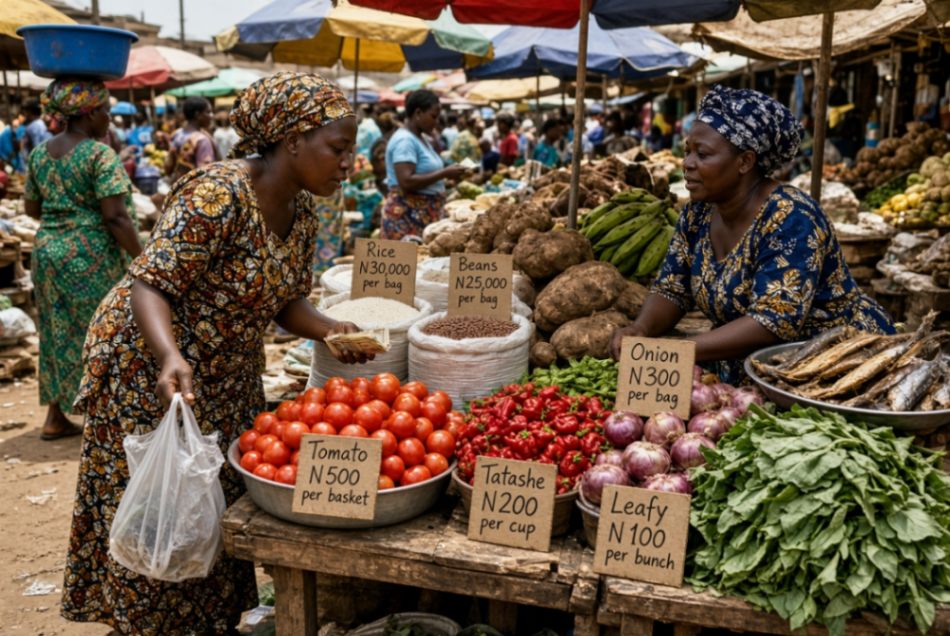
Grocery shopping on a budget in Nigeria requires more than choosing the cheapest item on the shelf. Prices change by location, season, market, package size, transport cost, and even the day of purchase. A workable approach combines a clear spending limit, a flexible meal plan, price comparison, careful storage, and less food waste.
Food prices remain a major household concern. The National Bureau of Statistics reported food inflation of 20.31% year-on-year in July, while the monthly food inflation rate reached 5.56%. Prices of staples such as rice, garri, tomatoes, onions, pepper, eggs and plantain were among the items affecting household budgets.
This guide explains how to shop for food on a tight budget in Nigeria while preserving variety, reducing unnecessary spending, and checking product safety.
A food budget works better when it is based on actual household patterns rather than a fixed amount copied from someone else. Begin by reviewing what the household bought over the previous two or four weeks.
Record:
For example, a Lagos student living alone may divide a ₦30,000 weekly food allowance into staple foods, protein, vegetables, breakfast items and transport. The exact allocation depends on household size, dietary needs and existing supplies.
| Spending area | Example share of a ₦30,000 weekly budget | Possible amount |
|---|---|---|
| Staples | 35% | ₦10,500 |
| Protein | 25% | ₦7,500 |
| Vegetables and fruit | 15% | ₦4,500 |
| Cooking ingredients | 15% |
How Far Can ₦5,000 Really Go at a Thrift Market?
10 Thrift Finds Under ₦2,000 You Need to See
How to Recreate a Celebrity Look With Thrift Pieces
Thrift Date Night Outfits That Don’t Look Cheap
Thrift Outfit Ideas for Campus: Stylish School Looks on a Budget
Thrifted Street Style: Outfits Spotted on Lagos Streets
Have something to give away or sell?
Post your first listing — it only takes a couple of minutes. Or browse listings near you.
| ₦4,500 |
| Transport or contingency | 10% | ₦3,000 |
These figures are an illustration, not a universal price list. A household can adjust the proportions when rice, beans, oil or protein is already available at home.
Meal planning limits random purchases because each item has a purpose. Instead of deciding what to cook after arriving at the market, list several meals that can share ingredients.
A simple seven-day plan may include:
Flexible planning is useful when market prices change. If tomatoes are expensive, a meal can use a smaller quantity with onions, pepper, vegetables or an existing stew base. If fresh fish becomes costly, eggs, beans, sardines or soya products can provide alternative meal components.
Write down the ingredients used across several meals:
| Ingredient | Meals it can support |
|---|---|
| Beans | Cooked beans, akara, moi moi |
| Eggs | Egg sauce, boiled egg, noodles, rice |
| Tomatoes and pepper | Stew, jollof rice, egg sauce |
| Onions | Rice, beans, sauces and soups |
| Rice | Plain rice, jollof rice, fried rice, rice and beans |
| Vegetables | Soup, stir-fry, egg sauce and side dishes |
This method reduces the chance of buying one-off ingredients that spoil before they are used.
The cheapest place depends on what you are buying. Open markets may offer flexible quantities, while supermarkets and neighbourhood shops may offer clearer packaging and easier price comparison. Online grocery delivery can save time but may add delivery charges and service fees.
Compare the final cost, not just the displayed price:
A large basket of tomatoes may appear cheaper per tomato, but it can become expensive if part of it spoils. For a small household, a smaller quantity may produce lower total spending even when the unit price is higher.
Prices can differ substantially between Lagos neighbourhoods, nearby towns and other states. Asking two or three sellers for the same item gives a more useful reference than relying on one price.
Bulk buying can reduce the price per unit, but it also creates storage and cash-flow risks. Rice, beans, garri, pasta, flour, oats, salt and some cooking ingredients usually store more easily than tomatoes, leafy vegetables or ripe plantain.
Before buying a large quantity, ask:
For example, two people may share a larger bag of rice and divide the cost, but the arrangement needs clear measurement, payment and collection terms. Written confirmation through WhatsApp can help prevent misunderstandings.
Affordable grocery shopping often starts with foods that can appear in several meals. Common Nigerian staples include rice, beans, garri, yam, potatoes, plantain, maize, oats, pasta and flour.
The right combination depends on household preferences and availability. Beans can support several meals, while rice can be paired with beans, vegetables, eggs, stew or fish. Root crops may become more economical during periods when rice or other grains rise in price.
The aim is not to remove variety. It is to create a base of flexible ingredients so that one price increase does not disrupt the entire meal plan.
Protein can take up a large share of a grocery budget. A mixed approach may make the weekly basket easier to manage.
Possible options include:
Compare cost by usable portion rather than by package size. A cheap item that produces very little usable food may not provide real savings. Conversely, a more expensive item may stretch across several meals when portioned before cooking.
Seasonal food often becomes more available, although prices still vary by region and harvest conditions. Tomatoes, pepper, onions, leafy vegetables, plantain and some fruits may fluctuate during the year.
When a preferred vegetable is expensive, consider another available vegetable that works in the same type of meal. Buy fresh produce in quantities that match storage capacity, especially in homes without reliable refrigeration.
A practical produce checklist includes:
Food waste is a hidden grocery expense. A ₦3,000 purchase that loses one-third of its contents to spoilage effectively costs more than its receipt value.
A small notebook or phone note can show whether a supposed bargain is genuine. Track the item, quantity, location, date and price.
| Item | Quantity | Seller or location | Price | Date |
|---|---|---|---|---|
| Rice | 1 kg | Neighbourhood shop | ₦— | — |
| Beans | 1 kg | Local market | ₦— | — |
| Eggs | 6 pieces | Egg seller | ₦— | — |
| Tomatoes | Small quantity | Market stall | ₦— | — |
| Cooking oil | 750 ml | Supermarket | ₦— | — |
Update the list every one or two weeks during periods of rapid price movement. The purpose is not to predict prices, but to identify recurring differences between nearby sellers and avoid buying from memory.
Low prices do not remove the need to inspect packaged food. NAFDAC guidance identifies important label information such as the product name, net quantity, batch number, production or best-before date, storage condition, ingredients, manufacturer information and NAFDAC registration details where applicable.
Before buying packaged groceries:
NAFDAC’s food regulations apply to food products manufactured, imported, advertised, sold, distributed or used in Nigeria. This does not mean every informal seller is unsafe, but it makes label inspection and seller selection important parts of grocery shopping.
The Federal Competition and Consumer Protection Commission states that consumers have a right to full disclosure of prices, and displayed prices should correspond to the price payable at checkout or cash-out.
When there is a problem with a product or transaction:
The FCCPC advises that a complaint should first be made to the provider and then referred to the Commission when a consumer right has been breached. This is general consumer information, not legal advice.
Some habits appear convenient but increase total food spending.
Hunger can lead to extra snacks, drinks and convenience foods. Eating something before shopping or carrying a written list can reduce unplanned additions.
Bulk packaging only helps when the household can use and store the contents. Compare unit prices and likely waste.
A lower price may reflect a smaller net quantity, poor storage, damaged packaging or a product close to its date. Inspect the item before payment.
A distant market may offer lower food prices but produce little overall saving after fares and time are included.
Credit can make the shopping trip feel affordable while creating pressure later. Keep any borrowing or informal contribution arrangement clear and documented.
The following illustration shows how a small basket might be organised. Prices change by location and date, so the figures are not a current official price list.
| Item | Example amount |
|---|---|
| Rice or another staple | ₦3,500 |
| Beans or legumes | ₦2,500 |
| Eggs or another protein | ₦3,000 |
| Tomatoes, pepper and onions | ₦2,000 |
| Vegetables | ₦1,500 |
| Cooking ingredients | ₦1,500 |
| Contingency | ₦1,000 |
| Total | ₦15,000 |
A household can replace items according to existing pantry supplies. If oil and seasoning are already available, more of the amount can go toward protein or vegetables. If the household already has rice, beans or garri, the budget can support a different combination.
Although Threddo is a secondhand fashion marketplace rather than a grocery service, its free, direct-contact model can help people look for affordable pre-owned clothing, bags, shoes and accessories while protecting more of the household budget for essentials. When using any peer-to-peer marketplace, review listings carefully, communicate clearly and follow the platform’s safety guidance at Threddo’s Safety Guide.
Before leaving home:
At the market or shop:
After shopping:
Grocery shopping on a tight budget in Nigeria becomes more manageable when you plan meals, compare total costs, buy quantities that match storage, use flexible staples, track price changes and check packaged-food labels. Current food inflation data shows why small decisions about transport, waste, portioning and unit prices matter to household spending.
This article is for educational purposes only and does not constitute professional advice. Always follow safe trading practices and use your own judgement.