
T
Loading…
Loading…
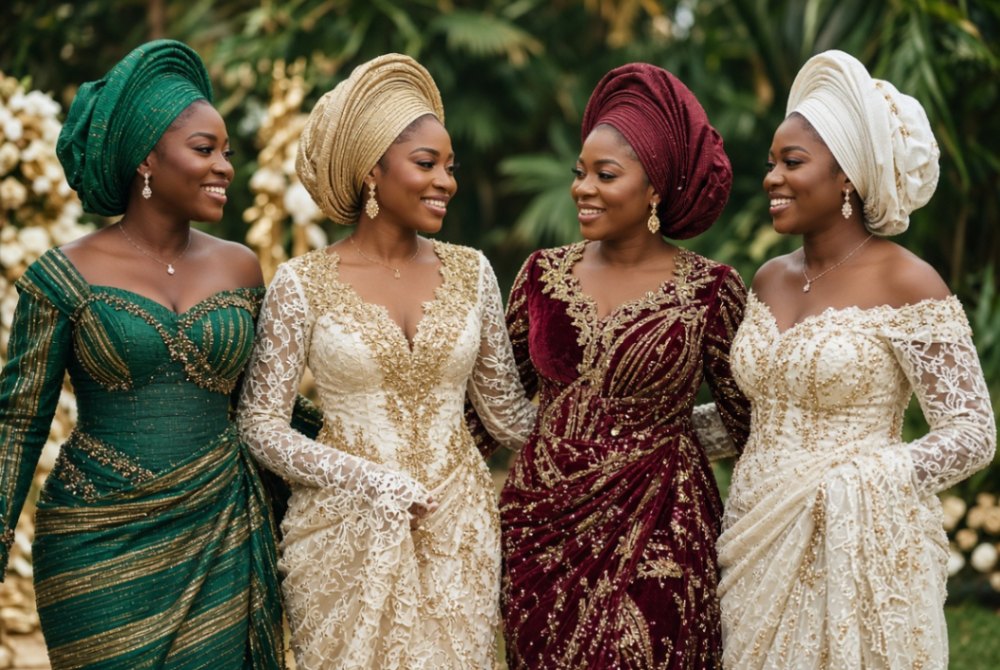
Aso ebi remains one of the clearest ways to show connection at a Nigerian wedding. The matching fabric identifies a family, friend group or social circle, while each guest uses tailoring, accessories and styling to create a personal look. In 2026, popular directions include embellished lace, lighter Ankara, modern aso-oke, structured gowns, elegant two-piece sets and more architectural gele designs.
Whether you are attending an owambe in Lagos, a church wedding in Abuja, a traditional ceremony in Ibadan or a reception in Port Harcourt, the most useful approach is to begin with the event’s fabric, colour instructions, venue and dress code. From there, you can choose a silhouette that fits your comfort, budget and wardrobe.
Aso ebi translates broadly as “family cloth” and refers to coordinated fabric worn by relatives, friends, associates or social groups at ceremonies. Although the practice has Yoruba roots, it has become part of social dressing across Nigeria.
The cloth may communicate several kinds of belonging:
The host usually selects the fabric, while guests decide on the cut, neckline, sleeve, length, embellishment and accessories. Some celebrations also provide a colour direction for guests who are not buying the official aso ebi.
Lace continues to work well for formal Nigerian weddings because it can be styled into fitted gowns, A-line dresses, ball gowns, peplum designs and flowing skirts. Current examples include stone embellishment, sequins, beadwork and three-dimensional floral details.
For a balanced look, let one feature lead:
A lined lace gown can also make the outfit more comfortable in air-conditioned halls, while a lighter lining may suit an outdoor afternoon event.
10 Thrift Finds Under ₦2,000 You Need to See
How to Recreate a Celebrity Look With Thrift Pieces
Thrift Date Night Outfits That Don’t Look Cheap
Thrift Outfit Ideas for Campus: Stylish School Looks on a Budget
Thrifted Street Style: Outfits Spotted on Lagos Streets
15 Thrifted Outfit Inspo Looks for This Week
Have something to give away or sell?
Post your first listing — it only takes a couple of minutes. Or browse listings near you.
Ankara can bring colour, structure and print into an outfit, while lace adds a ceremonial finish. Common combinations include:
This approach can be useful when you want a recognisable aso ebi look without covering the entire outfit in heavy embellishment. It also allows parts of the garment to be reused separately after the wedding.
aso-oke is increasingly appearing beyond the traditional gele. Designers and tailors use it for corset panels, skirts, blazers, iro and buba sets, agbada details and full ceremonial outfits. Classic blue, red and white remain associated with aso-oke traditions, while teal, green, gold and neutral combinations are also visible in contemporary wedding styling.
aso-oke can be visually strong, so styling works well when the remaining pieces are coordinated rather than competing:
A two-piece set may include a peplum blouse and skirt, a crop-style top with a high-waisted skirt, or a tailored jacket and trousers. A three-piece look could combine a blouse, skirt and removable cape.
These styles provide flexibility for guests who prefer movement over a fitted full-length gown. They can also be separated and worn with other wardrobe pieces for birthdays, dinners, naming ceremonies or formal work events.
For men, agbada remains a formal option, often paired with a buba, sokoto trousers, cap and embroidered detailing. A more streamlined alternative is a long tunic with fitted trousers, a senator-style outfit or a tailored traditional shirt.
Useful styling choices include:
The gele can act as the focal point of an aso ebi outfit. Recent wedding-fashion coverage describes a movement toward cleaner, more architectural shapes rather than only large, heavily layered forms.
Before choosing a dramatic gele, consider the full outfit:
Colour instructions come from the couple or family, so they take priority over general fashion trends. Current style coverage highlights burgundy, wine, royal blue, midnight blue, emerald, lilac, plum, lavender, coffee brown, olive, mint and burnt orange as active colour directions.
| Colour direction | Styling ideas | Suitable supporting tones |
|---|---|---|
| Burgundy or wine | Lace gown, velvet panel, structured skirt | Gold, nude, champagne |
| Emerald green | Aso-oke, fitted gown, agbada | Gold, bronze, cream |
| Royal or midnight blue | Tailored set, sequinned lace, buba and wrapper | Silver, crystal, white |
| Lilac or lavender | Soft lace, flowing gown, blouse and skirt | Pearl, silver, nude |
| Coffee brown | Ankara set, satin gown, modern agbada | Gold, tan, cream |
| Burnt orange or mustard | Ankara, statement blouse, wrapper set | Brown, bronze, deep green |
| Champagne or ivory | Formal lace, monochrome aso-oke | Gold, nude, soft brown |
Colour behaves differently under daylight, flash photography and indoor lighting. A fabric that appears pale in a shop may look brighter at the venue, so checking a small sample outdoors and indoors can help when choosing lining, gele or accessories.
The venue and time of day influence comfort as much as appearance.
| Event setting | Fabric and outfit considerations |
|---|---|
| Afternoon outdoor wedding | Lightweight Ankara, cotton blends, lighter lace and breathable lining |
| Air-conditioned reception | Lace, velvet accents, satin, structured fabrics and layered details |
| Traditional ceremony | Aso-oke, iro and buba, wrapper sets, agbada and culturally appropriate accessories |
| Church ceremony | Full-length or midi silhouettes, secure necklines and removable cover-ups |
| Beach or garden venue | Fluid shapes, lower embellishment and footwear suited to uneven ground |
| Long all-day celebration | Stretch panels, comfortable shoes, manageable headwear and removable layers |
A heavy velvet gown may photograph beautifully but feel warm at an outdoor midday event. Similarly, a very long train can make movement difficult in a crowded venue. Trying the outfit with the actual shoes and undergarments gives a more realistic sense of comfort.
Prices vary by city, fabric quality, tailor, embellishment, urgency and whether the outfit is new, pre-owned, borrowed or altered. The ranges below are planning examples rather than fixed market rates.
| Item | Illustrative range in ₦ | What changes the price |
|---|---|---|
| Simple alteration | ₦5,000–₦25,000 | Garment structure, urgency and location |
| Basic gele tying or styling | ₦5,000–₦20,000 | Complexity, materials and service location |
| Ready-to-wear occasion dress | ₦25,000–₦120,000 | Fabric, brand, finishing and embellishment |
| Tailored lace outfit | ₦60,000–₦250,000+ | Lace quality, lining, stones and construction |
| Ankara two-piece | ₦35,000–₦150,000 | Print, tailoring and finishing |
| Aso-oke accessory or panel | ₦15,000–₦100,000+ | Weave, metallic thread and quantity |
| Men’s traditional outfit | ₦40,000–₦250,000+ | Agbada size, embroidery, fabric and tailoring |
| Pre-owned occasionwear | ₦15,000–₦100,000+ | Condition, brand, fit and embellishment |
A lower-cost route may involve borrowing a garment, buying a pre-owned outfit, altering an existing dress, or purchasing only accessories that update a familiar look. When buying secondhand, inspect the lining, zip, seams, underarm area, hem, stones and odour before agreeing to the exchange.
A family member may choose a more elaborate outfit, such as a heavily embellished lace gown, a full aso-oke set, a statement gele or an embroidered agbada. Coordination with the family’s selected fabric matters more than copying another person’s exact silhouette.
A polished two-piece, midi or full-length gown, tailored jumpsuit, Ankara-lace combination or simple traditional set can show participation without requiring the most elaborate construction.
A modular outfit can reduce repetition:
Some weddings use a general colour direction instead of one fabric. In that situation, a guest can follow the palette through a dress, buba and wrapper, shirt, blouse, scarf, handbag or jewellery. Confirming the dress code with the invite or organiser avoids confusion.
Use this checklist before the final fitting:
Aso ebi often has a short first-use cycle: it may be worn once, photographed extensively and then stored. Reusing it extends the life of the textile and can reduce pressure to buy a new outfit for every invitation. Circular-fashion reporting on Nigeria has linked low-quality clothing, disposal and textile waste with pollution concerns, while reuse and resale provide ways to keep garments in circulation.
| Area to inspect | What to check |
|---|---|
| Fabric | Stains, fading, pulls, pilling and colour transfer |
| Seams | Loose stitches, opened seams and uneven alterations |
| Lining | Sweat marks, tears, odour and discolouration |
| Embellishment | Missing beads, loose sequins and sharp wire ends |
| Fastenings | Zip movement, hooks, buttons and hidden snaps |
| Fit | Bust, waist, hip, sleeve, shoulder and garment length |
| Accessories | Matching gele, wrapper, belt, brooch or detachable pieces |
| Cleaning | Whether the garment has been washed or dry-cleaned and when |
Photographs should show the front, back, close-up details, label, measurement points and any flaws. A seller can also state whether the item is an original purchase, a tailored garment, altered, borrowed or previously worn.
When buying or giving away an outfit through a marketplace or social platform, keep the conversation specific and document the agreed details. The Nigeria Data Protection Act 2023 establishes a framework for protecting personal information, and the Nigeria Data Protection Commission highlights principles including transparency, data minimisation, accuracy and security.
Practical safeguards include:
These are risk-reduction practices, not a guarantee of a dispute-free transaction. Consumer concerns should be handled with reference to applicable Nigerian consumer-protection processes and the platform’s stated safety rules.
When the fabric is already dramatic, a three-part formula keeps the outfit visually organised:
For example, a burgundy lace gown with gold beadwork can be paired with a clean gold gele, nude shoes and a small metallic clutch. The same gown may later work with a plain headwrap and different accessories for another formal event.
If you are looking for a pre-owned lace gown, gele, aso-oke accessory or men’s traditional outfit, Threddo provides a WhatsApp-first way to browse or post secondhand fashion listings in Nigeria. Use clear photos, accurate measurements and the platform’s safety guidance, then agree on pickup, delivery and payment details directly with the other person.
Aso ebi styles for Nigerian weddings can range from embellished lace gowns and Ankara sets to aso-oke, agbada, modern tailoring and carefully shaped gele. The most practical choice depends on the event’s dress code, venue, weather, fit, budget and how easily the garment can be worn again.
Reusing, borrowing, altering or trading occasionwear can give a familiar garment a second life while helping you manage wedding-season spending and textile waste. A clear listing, honest condition description and careful exchange process also make secondhand aso ebi trading more dependable.
This article is for educational purposes only and does not constitute professional advice. Always follow safe trading practices and use your own judgement.